Here’s a number that should change how you sell. In 6sense’s 2025 B2B Buyer Experience Report, the vendor that won the deal was already on the buyer’s first shortlist 95% of the time. So most buyers pick a favorite before they ever talk to you. That’s why inbound sales matters now.
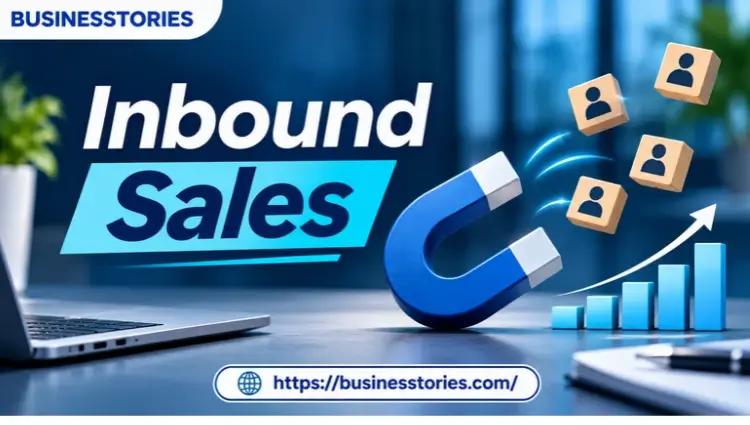
Inbound sales is a way of selling where buyers reach out to you first. They find you through content, search, AI tools, or referrals. Then your team helps them make the right choice, instead of chasing strangers with cold calls and emails.
In this guide, you’ll learn what this process means and why buyers act this way now. You’ll also see how the four-stage process works, how it compares with outbound, and which mistakes cost teams deals.
Key Takeaways
- The core idea: sell to people who have already shown interest in you.
- In a Gartner survey of 646 buyers, 67% said they’d rather buy without a sales rep.
- Buyers now contact sellers at about 61% of their journey, so your content does the early selling.
- The four classic stages are Identify, Connect, Explore, and Advise.
- Inbound works best alongside some outbound, not as a full swap.
What Is Inbound Sales?
Inbound sales is selling to people who come to you first. They fill in a form, start a trial, book a demo, or ask a question. Then your sales team helps them make a beneficial choice.
In short, the buyer starts the talk. You don’t. That one change shapes the whole process.
Inbound Sales vs Inbound Marketing
People often mix these up. Inbound marketing creates the pull: blog posts, videos, guides, SEO, and social posts. The sales team takes over once someone reaches out. In other words, marketing earns the visit, and sales earns the deal.
Inbound Sales vs Inside Sales
This is the other common mix-up. Inside sales describes where reps work: remotely, by phone, email, and video. Inbound sales describes who starts the contact. So an inside sales rep can handle inbound leads, outbound leads, or both.
What an Inbound Lead Looks Like
Not every lead comes from marketing. Some come from a friend’s tip, a podcast mention, or a review site. Here are common examples:
- A founder in London fills in your demo form after reading a pricing guide.
- A Sydney ops manager starts a free trial after a YouTube tutorial.
- A buyer in Toronto emails you after a colleague recommends your tool.
What do they share? Each person chose to reach out. As a result, they’re warmer and better informed than a cold contact. Still, warm doesn’t mean ready. Many have only just started looking, and that’s where excellent inbound reps earn their pay.
Why Buyers Now Come to You First
Buyers come to you first because they can now do most of the research alone. They read reviews, compare tools, and ask AI before they ever want a call.
The data backs this up. A Gartner survey published in March 2026 of 646 B2B buyers found that 67% prefer a rep-free experience. The same survey found 45% used AI during a recent purchase.
Meanwhile, 6sense surveyed nearly 4,000 buyers for its 2025 report. Here’s what it found:
| Finding (6sense, 2025) | What it means for you |
| Buyers first contact sellers at about 61% of their journey (down from 69%). | Your content does most of the early selling. |
| The winner was on the day. One shortlist 95% of the time | You must be known before the search starts. |
| Four out of five deals go to the buyer’s pre-contact favorite. | The first vendor they call usually wins. |
| The average buying cycle fell from 11.3 to 10.1 months. | Deals move faster, so slow replies hurt more |
What Most Guides Miss: The Shortlist Is Set Before You Speak
Most guides focus on what happens after a lead arrives. However, the 6sense data says the real contest happens earlier. If buyers have already ranked you, your rep is often confirming a choice, not creating one.
That means the job has two halves. First, get on the shortlist through useful content and a strong reputation. Then, make the first conversation easy and helpful, so the favorite stays the favorite.
AI assistants have become the new first point of contact
There’s a newer twist, too. Buyers now ask AI chat tools to compare vendors before they visit any website. So if your pricing, use cases, and limits aren’t clear online, AI tools may describe you badly or skip you. Clear, honest public pages now feed your pipeline directly.
Inbound Sales vs Outbound Sales
Inbound sales waits for buyers to raise a hand. Outbound sales reach out first, through cold calls, emails, or LinkedIn messages. Both work, but they suit different situations.
| Factor | Inbound | Outbound |
| Who starts contact? | The buyer | The seller |
| Lead warmth | Warm, already curious | Cold, often unaware |
| Main cost | Content, SEO, time | Rep time, data, tools |
| Speed to first results | Slow (months) | Fast (weeks) |
| Control over pipeline | Low | High |
| Best for | Known problems buyers search for | New categories, big target accounts |
Look at the control row closely. With outbound, you choose who to contact and when, so you can grow the pipeline on demand. With inbound, buyers determine the timing of their engagement.
That’s the real trade. You give up control, but you gain buyers who already trust you a little. As a result, each conversation tends to start further along.
Our Take: Do not view it as an either-or situation.
Many guides crown the winner. We think that’s too simple. Inbound depends on demand that already exists. If nobody searches for your problem yet, no blog post will save you.
For instance, an early AI startup in a brand-new category may need outbound to find its first 20 customers. Later, those customers create case studies, reviews, and referrals. That’s when inbound starts to compound.
On the other hand, a company selling a known tool, like accounting software, can lean on inbound from day one. Buyers already search for that.
Therefore, the wise strategy is to use a combination of both approaches. Use inbound marketing basics to build steady demand. Then use targeted outbound for accounts that fit perfectly but haven’t found you yet.
How the Inbound Sales Process Works
Most teams follow HubSpot’s inbound sales methodology, which has four stages. These are Identify, Connect, Explore, and Advise. Each stage matches where the buyer is in their journey.
1. Identify
First, find the buyers who are actively looking. Signals include repeat visits to your pricing page, demo requests, and trial sign-ups. A CRM with lead scoring helps you sort hot leads from casual readers.
The common mistake here? Treating every form fill as a sales lead. Some people use throwaway emails just to grab a free guide. So qualify before you call.
2. Connect
Next, reach out with something useful, tied to what the buyer just did. For instance, if they read your pricing guide, offer to explain which plan fits their team size.
Speed matters a lot here. In an older but still widely cited study, Harvard Business Review (2011) found firms took 42 hours on average to respond to online leads. It also found that those replying within an hour were nearly seven times as likely to qualify the lead.
The study is over a decade old, so treat the exact figures with care. Even so, the lesson still holds: fast replies win.
3. Explore
Then, have a real discovery talk. Ask about their goals, their current tools, their budget, and their timeline. Listen more than you pitch.
Here’s a useful rule. If you can’t explain the buyer’s problem better than they can by the end of this call, you’re not ready to advise.
4. Advise
Finally, recommend a clear path. Connect your response to the challenges they mentioned, rather than focusing solely on your feature list. Be honest about your suitability for the role. That honesty builds trust and often brings referrals later.
Gartner’s 2026 research backs this up. It found buyers who reach “value clarity” are twice as likely to report a high-quality purchase. Put simply, they understand how a product helps them in their role. Providing good advice is the key to helping them achieve that understanding.
A Real Example: How Ahrefs Grew With No Sales Team
The SEO tool Ahrefs is one of the clearest inbound success stories. The company grew mainly through blog posts, YouTube tutorials, and product quality.
According to CMO Tim Soulo in a 2024 interview with Latka, Ahrefs only hired its first salesperson in 2021. By then, it had around 90 staff and more than 50,000 customers. It was also bootstrapped, with no venture funding.
How It Worked
Ahrefs wrote content that answered real questions its buyers searched for. Then, the articles demonstrated how the product solved the problem. As a result, readers saw the tool in action before they ever signed up.
What Startups Can Copy
You don’t need Ahrefs’ budget to use the same idea. Start small:
- List the questions your buyers type into Google or ask AI tools.
- Answer each one in a clear guide or short video.
- Show your product solving the problem in that content.
- Feed questions from sales and support calls back into new topics.
The Lesson and the Limit
The lesson is simple. When your content teaches people to solve their problems with your product, it does much of the selling.
But here’s the limit. Ahrefs sells a self-serve tool that marketers already search for. A company selling a six-figure enterprise platform will still need people to guide complex deals. So copy the content approach, not necessarily the no-sales-team setup.
For more founder stories like these, see our bootstrapped startup success stories.
Common Inbound Sales Mistakes (and How to Fix Them)
The biggest mistakes come from treating warm leads like cold ones or from being too slow. Here are five to avoid.
- Replying too slowly. A lead who waits two days has often moved on. Fix it with instant routing and alerts, and set a reply target of under an hour.
- Pitching too early. A person who downloaded one guide isn’t ready for a demo. Instead, offer the next useful step, like a checklist or a short call.
- Saying different things online and on calls can hurt trust. If your website and your reps disagree on price or features, buyers lose trust. Please review your public pages with your sales team on a quarterly basis.
- Ignoring lead quality. More leads don’t mean more deals. Score leads, and track which sources actually turn into revenue.
- Stopping content too soon. Inbound takes months to build. Give it at least six months before you judge it.
What Most Teams Get Wrong About Handoffs
Here’s a gap that’s deceptively simple to miss. Marketing hands over a lead, but the rep has no idea what the buyer read. As a result, the first call starts from zero.
The solution is cheap. Please share the lead’s recent activity with the rep during each handoff. Then the rep can open with, “I saw you comparing our plans. Want help picking one?” That feels helpful, not salesy.
For tools that make the process easier, refer to our CRM tools for startups.
Conclusion
Buyers have changed how they shop. They research alone, ask AI tools for advice, and build a shortlist before they ever call you. That’s why inbound sales has gone from a nice idea to a core part of how you win deals.
Four points stand out:
- First, being known early matters more than ever, since the winner is usually on the first shortlist.
- Second, speed and relevance decide the first conversation.
- Third, the best reps advise rather than pitch.
- Finally, inbound works best when paired with smart, targeted outbound.
Your next step is simple. Check how fast your team replies to new leads this week. Then read your top three web pages as if you were a buyer. Are they clear enough for an AI tool to describe you fairly?
FAQs
1. What does an inbound sales rep do?
This rep follows up with people who have already shown interest, such as demo requests or trial users. They qualify each lead, run discovery calls, and advise buyers on the right solution. They spend little time on cold calling.
2. Is inbound sales the same as inside sales?
No. Inside sales is about where reps work, usually remotely by phone, email, or video. Inbound sales is about who starts the contact. An inside sales team can handle inbound leads, outbound leads, or a mix of both.
3. What are examples of inbound sales leads?
Common examples include demo requests, free trial sign-ups, pricing page inquiries, chat messages, and referral emails. In each case, the buyer reached out first. That makes them warmer than cold contacts, though many still need help before they’re ready to buy.
4. How long does inbound sales take to show results?
It usually takes several months to show steady results, since content and search rankings build slowly. Early leads can show up within a few months, but a reliable pipeline often takes six months or more. Pairing it with outbound helps fill the gap.
5. Is inbound sales better than outbound for startups?
It depends on demand. If buyers already search for your type of product, an inbound sales strategy can bring cheaper, warmer leads over time. If you’re creating a new category, outbound often finds early customers faster. Most startups do best with a blend.

Market Research Analyst with 20+ years of experience delivering data-driven insights and strategic market intelligence.