Most people know apple cider vinegar. However, few have tried its deep purple cousin from India. Jamun vinegar comes from the jamun fruit, which people also call black plum or Indian blackberry. In fact, Indian homes have used it as a daily tonic for generations. So, does it really work? In this listicle, we break down 10 jamun vinegar benefits that most people never hear about.
Along the way, we also separate what science supports from what is still just tradition. Here is the unvarnished truth. Some benefits come from the jamun fruit itself. Meanwhile, others come from acetic acid, the sour part found in every vinegar. Once you know the difference, you can shop smarter and use it better.
What Is Jamun Vinegar, and Why Is It Different?
Jamun vinegar starts as plain fruit juice.
- First, yeast turns the natural sugar in the juice into alcohol.
- Then, friendly bacteria called Acetobacter turn that alcohol into acetic acid.
As a result, you get a tangy, dark purple liquid. Many bottles sold today, for example, list about 5% acidity on the label, which matches most kitchen vinegars.
So what makes it special? The answer lies in the color. Jamun gets its deep purple shade from anthocyanins, a group of plant antioxidants. In fact, one lab study of four jamun varieties found five types of anthocyanins in the fruit.
Moreover, every variety showed over 90% free radical scavenging in a common antioxidant test. Some of these compounds may carry over into the vinegar, although the exact amount varies by brand and process.
Traditionally, makers also cared about ripeness. For instance, Ayurvedic tradition often favors juice from unripe jamun for blood sugar support. Ripe fruit is used for stomach issues, in contrast. Science has not tested this split yet, but it shows how carefully people once made it.
Here’s the Insight Most Listicles Miss
Not all jamun vinegar is made the same way. Some bottles are naturally fermented from jamun juice. Others, however, simply blend jamun juice with water and add acetic acid. Both taste sour. Yet only the fermented kind goes through the full process that people have trusted for centuries.
So, before you buy, flip the bottle over and read the ingredients. Ideally, you want to see “jamun juice” or “fermented jamun juice” at the top. If “acetic acid” appears as a separate item, then you are likely holding a blend.
It is not harmful. Still, it may offer fewer fruit compounds and less of what makes jamun vinegar unique. A quick label check takes ten seconds and can save you money.
Also Read: 10 Secret Health Benefits of Olive Oil You Need to Know
Jamun Vinegar Benefits for Blood Sugar and Weight
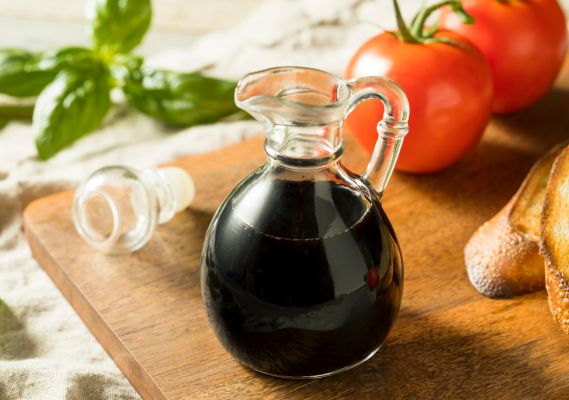
This is where most people start. After all, blood sugar is the main reason jamun vinegar became popular. Let’s look at what the research really says.
1. It May Soften Blood Sugar Spikes After Meals
Vinegar with a meal can slow the rise in blood sugar that follows. For example, a 2017 review pooled 11 clinical trials. It found that people who had vinegar with food saw lower blood sugar after eating than those who did not.
Interestingly, the effect works best with starchy meals like rice, bread, or roti. A little diluted vinegar may be beneficial if your lunch is high in carbohydrates. In fact, some studies saw drops of around 20% with one to two tablespoons of vinegar.
2. It May Help Your Body Handle Insulin
That same review also found a drop in post-meal insulin. Put simply, your body may need less insulin to deal with the same meal. On top of that, lab studies in rats suggest jamun pulp and seed extracts can lower blood glucose.
However, be careful here. A 1997 rat study found jamun leaf and seed tea had no effect at all. In short, the form matters, and human trials on jamun vinegar itself are still rare.
3. It May Support Gentle Weight Control
Next, consider weight. In a 2009 Japanese trial, obese adults drank 15 ml or 30 ml of vinegar daily for 12 weeks. As a result, both vinegar groups had lower body weight, belly fat, and waist size than the placebo group.
Similarly, another study found that more acetic acid with bread made people feel fuller. Still, the weight loss was modest, and most people lost only a few pounds. Even so, a slow, steady change beats a crash diet. Vinegar helps, but it does not replace nutritious food and regular movement.
Vinegar Benefits for Digestion and Heart Health
Beyond blood sugar, jamun vinegar has a long record in kitchen medicine. Some of these uses have early science behind them. Others, by contrast, rest mostly on tradition.
4. It May Wake Up a Lazy Appetite
In Ayurveda, jamun vinegar has long served as a stomach tonic. Traditional texts say it helps your body make more digestive juices. As a result, a small dose before meals may help you feel ready to eat.
This is especially popular with older adults who have a weak appetite. Try a small sip about 15 minutes before lunch, and see how your hunger feels.
5. It May Ease Gas and Bloating
Likewise, healers have used jamun vinegar to calm gas and a swollen belly. Think of it as a home remedy rather than a proven cure. Even so, many people say a diluted sip before a heavy meal helps them feel lighter.
If you want to try it, start with just one teaspoon. Then, keep a short note of how you feel after each meal.
6. It Adds Antioxidants to Your Day
As we saw earlier, jamun is packed with anthocyanins, the same pigments found in blueberries. Antioxidants help protect your cells from daily wear and tear. So, swapping a plain vinegar for jamun vinegar is an easy way to add a little more plant power to your meals.
For best results, pair it with other colorful foods like berries, beets, and leafy greens.
7. It May Help Lower Triglycerides
Here’s a lesser-known perk. In the same 2009 Japanese trial, the vinegar groups also had lower blood triglycerides. Triglycerides are a type of fat in your blood. High levels, in turn, link to heart disease.
While one trial is not proof, it is a promising sign for heart-friendly eating. Meanwhile, simple swaps like a jamun vinegar dressing instead of fried snacks support the same goal.
Also Read: Kalonji Seeds Benefits: A Natural Remedy for Better Health
Everyday Jamun Vinegar Benefits Beyond Your Health
Not every benefit needs a lab. Some of the best ones simply make daily life easier, tastier, and cheaper. Here are three easy ways to use it.
8. It Helps Keep Food Fresh
People have used vinegar to preserve food for thousands of years. That’s because its acid makes life challenging for many germs that spoil food. Similarly, lab studies suggest jamun extracts can slow the growth of some bacteria.
A splash of it in homemade pickles or onion salad serves two purposes. It adds flavor and also helps the food last longer. Just keep pickles in clean glass jars, since strong acid can react with some metals.
9. Vinegar is a low-calorie flavor booster.
Creamy salad dressings can pack over 100 calories per spoon. In contrast, vinegar has almost none. For example, try mixing one tablespoon of jamun vinegar with a pinch of salt, black pepper, and a few drops of olive oil.
Then, toss it over cucumbers or sprouts. As a result, you get a bright, fruity dressing for a fraction of the calories. Plus, its fruity tang means you need less salt to make food taste delicious. It also works well in chaat and marinades.
10. It Can Replace Sugary Drinks
Finally, here is a benefit few people talk about. Many of us reach for soda or packaged juice in the afternoon. Instead, try a jamun spritz.
- Simply add one teaspoon of jamun vinegar to a glass of chilled soda water.
- Next, toss in fresh mint and a squeeze of lime.
It looks bold, tastes tangy, and contains zero added sugar.
Guests often love its bright purple color, too.
Better yet, this swap can save you money. A single bottle can last for weeks, so it costs far less than daily soft drinks. Over time, this small habit may do more good than any single “superfood” claim.
How to Use Jamun Vinegar Safely: A Simple Plan
Now that you know the benefits, let’s talk about using it the right way. Vinegar’s acidity means that even a small amount can be effective. Follow these simple steps to get started.
Step 1: Pick the Right Bottle
First, read the label. Look for naturally fermented jamun juice near the top of the ingredient list. Furthermore, avoid bottles with added sugar or artificial color. After opening, keep it in a cool, dark place.
Step 2: Start Small and Always Dilute
Next, mix one teaspoon in a full glass of water. Never drink it straight. Most labels suggest 10 to 20 ml a day, so you can slowly work up to one or two tablespoons over a week or two.
Step 3: Time It With Your Meals
For the best blood sugar effect, drink it with or just before a starchy meal. Alternatively, use it as a dressing on your salad at lunch. Many people find lunch the easiest time to remember, since it often has the most rice or roti.
Step 4: Protect Your Teeth
Acid can wear down tooth enamel. Therefore, sip through a straw and rinse your mouth with plain water afterward. Furthermore, wait 30 minutes before you brush.
Step 5: Test It Yourself
Here’s a smart trick. If you already use a glucose meter, check your levels after the same meal on two days. Have vinegar on one day and skip it on the other. That way, you see what it does for your body.
Who Should Be Careful?
Talk to your doctor first if you take diabetes or blood pressure medicine. Vinegar can add to the effect of these drugs and push your sugar too low. Likewise, skip it if you have acid reflux, stomach ulcers, or heartburn. And if it ever causes pain, simply stop.
Conclusion
Jamun vinegar is more than a pretty purple bottle on the shelf. As we’ve seen, the top Jamun Vinegar benefits include softer blood sugar spikes, better insulin response, and gentle help with weight.
On top of that, it may aid digestion, add antioxidants, and support healthy triglyceride levels. In the kitchen, meanwhile, it preserves food, flavors salads, and makes a wonderful sugar-free drink.
However, remember the key insight. Much of the proven power comes from acetic acid, which all vinegars share. Jamun adds its bonus of anthocyanins and a long tradition of use.
So, consider it a smart daily habit, not a miracle cure. It works best alongside balanced meals, regular movement, and quality sleep. In other words, the habit matters more than the brand.
Start today with one simple step. Buy a naturally fermented bottle and mix one teaspoon into a glass of water with lunch. Keep the dose small and steady. Then, notice how you feel over the next two weeks.
If you have diabetes or take daily medicine, talk to your doctor before you begin. Consistently taking small steps like these can lead to significant change. Furthermore, bookmark this guide so you can check the safety tips again later.
Frequently Asked Questions
1. What are the main jamun vinegar benefits for people with diabetes?
Jamun vinegar may soften blood sugar spikes after starchy meals and reduce insulin needs. However, it is not a medicine. If you have diabetes, talk to your doctor first, since it may add to your current treatment.
2. How much jamun vinegar should I drink each day for the best results?
Most labels suggest 10 to 20 ml a day, diluted in a full glass of water. Start with just one teaspoon. Then, slowly build up over one or two weeks to see how your stomach reacts.
3. Is it better to drink jamun vinegar in the morning or before meals?
For blood sugar control, drinking it with or just before a starchy meal works best. Many people also take it in the morning. Still, avoid an empty stomach if you have acid reflux or a sensitive gut.
4. Can jamun vinegar help with weight loss without changing my diet?
A 2009 Japanese trial linked daily vinegar to modest weight and belly fat loss over 12 weeks. Even so, results were small. For real weight loss, pair jamun vinegar with balanced meals and regular exercise.
5. What are the common side effects of drinking jamun vinegar daily?
Common side effects include heartburn, an upset stomach, and tooth enamel wear. These usually happen when people drink it undiluted or in large amounts. So, always dilute it, use a straw, and rinse your mouth afterward.

Tabassum Shaik is an Author, Researcher, and SEO Specialist with over 8 years of experience creating informative content on business, startups, entrepreneurship, marketing, technology, and digital trends. She specializes in researching industry trends and transforming complex topics into practical, easy-to-understand insights. Her goal is to help readers stay informed, learn new ideas, and make better business decisions.