Introduction
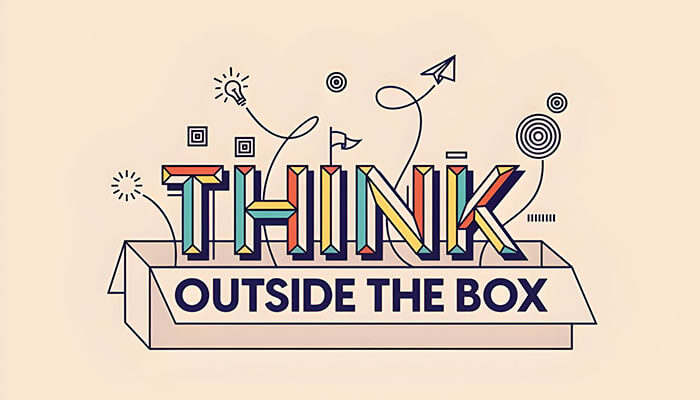
Every marketer encounters obstacles at some point. First, you run the usual ads. Then, you post on the usual channels. But slowly, the results start to fade. When such a scenario happens, it is time to think outside the box. In short, this situation calls for looking beyond the normal playbook and trying something new.
After all, you do not need a big budget for experimentation. Instead, you need curiosity, a bit of courage, and a habit of testing new ideas. You also need to know what your audience truly wants. So, in this guide, you will find ten simple ways to bring fresh ideas into your marketing.
Each idea comes with a real example and easy steps you can use today. So, if your campaigns feel like they need to embrace innovative approaches, in fact, your next big idea may be closer than you think. Let’s dive in.
Why Thinking Outside the Box Matters in Marketing Today
People see thousands of ads each day. As a result, most ads blend, and people tune them out. This is why brands that copy the same old formula often stick to it and go unnoticed. It is also why fresh, bold marketing has become so valuable today.
When you think outside the box, you break the pattern people expect. A bold street stunt, for instance, attracts more attention than a simple banner ad ever could. In fact, odd or funny campaigns tend to get shared more often, because people love passing along something surprising.
There is also a clear business reason for this shift. Many brands now tie their budgets directly to real results. However, only a small share of marketers feel sure they measure those results well. As a result, brands must avoid wasting money on weak ideas.
A sharp, fresh idea frequently yields better results for every dollar spent. It earns attention on its own, so it does not need constant ad spend to force it.
Bold marketing
also helps small brands compete with much bigger ones. A tight budget does not have to limit your imagination. One clever idea can spark as much buzz as a huge ad budget. So, creative thinking becomes a true edge, not just a nice extra to have.
Over time, fresh thinking ultimately builds a strong brand identity. In fact, customers remember brands that surprise them. But they quickly forget brands that just follow the crowd. So, when your team keeps asking, “What if we try something new?” you do more than chase one viral post.
Instead, you shape how people see your brand for years to come. This mindset, more than any single trick, is the real start of great marketing. So, keep it at the core of every plan you make.
Follow this step-by-step guide to choosing the best online marketing service to boost your brand visibility. Generate quality leads, and maximize your business growth.
Start with Profound Audience Research, Not Guesswork

Before you brainstorm anything wild, you should study your audience first. Otherwise, your bold idea may not connect with your audience. In short, thorough research turns guesswork into a clear path forward. And a clear path is precisely what makes creative ideas work.
First, start with simple questions. Who buys from you? What do they care about most? Where do they spend their time online? Next, you can find answers through surveys, social media data, and customer reviews.
You can also study your competitors closely. Often, such analysis reveals gaps that no one else has filled yet. Naturally, those gaps are where great ideas tend to hide.
Personalized marketing demonstrates the tangible benefits of research. Studies indicate that more than half of shoppers like a personal touch. In fact, it makes them trust a brand more. For instance, big names like M&M’S and Coca-Cola built campaigns around this one idea.
In simple terms, they printed customer names on their products. The idea itself was simple, but real data backed it up. That is precisely why it worked so well.
Turn Research into Ideas
Once you know your audience, put that knowledge into action right away. For example, if your buyers love video, try a video campaign instead. It will likely beat a plain print ad by a wide margin. Similarly, if your buyers care about the planet, try a cause campaign. Skip the flashy giveaway instead.
A helpful method here is audience-first brainstorming. Instead of asking “what looks cool,” ask “what does our audience want to feel?” This one small shift changes everything. As a result, your ideas stay fresh, but they also stay grounded in real goals like engagement and sales.
Steal Smart Ideas from Guerrilla and Experiential Marketing
In short, guerrilla marketing is a fast way to build buzz on a small budget. Instead of costly ad space, it uses surprise and wit. For example, a flash mob, a clever street display, or a pop-up shop can all create a moment people want to film and share.
Experiential marketing takes this idea even further. Essentially, it gives people something to feel in person. In fact, recent case studies prove this approach works well. A drink brand, for instance, hosted a festival sampling tour at over a dozen events.
Furthermore, it paired free samples with a fully branded lounge experience. As a result, guests stayed nearly four minutes longer at each booth, which boosted brand recall by a wide margin.
Real Campaigns That Prove It Works
The Bud Light “Dilly Dilly” campaign is a wonderful case study here. Specifically, it used odd, medieval-style characters and a strange catchphrase. On paper, it made very little sense. However, it became a significant hit. It felt fresh and unexpected.
This proves that bold ideas do not always need to be logical. Instead, they just need to be easy to share.
Want to try the concept yourself? Start small and simple. For instance, a pop-up booth at a local event, a fun piece of street art, or a surprise giveaway can all work well. The goal is simple: make the moment so different that people naturally want to talk about it later.
Make Storytelling Your Creative Superpower
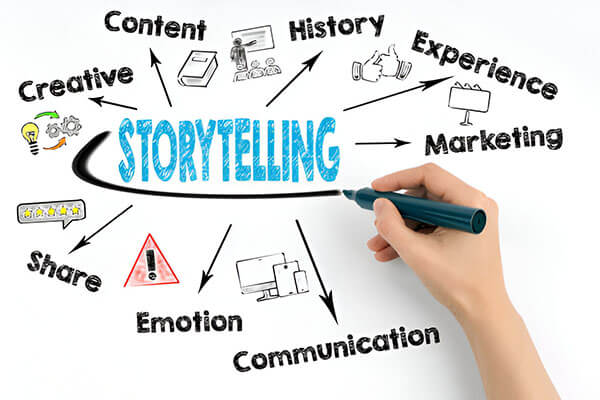
People forget facts fast, but they remember feelings for much longer. This is why storytelling remains one of the best tools in creative marketing today. Instead of listing plain product features, tell a story about the problem your product actually solves.
A strong story gives your audience something real to connect with. For example, instead of pushing discount codes for a fitness app, share a true story from a user who hit a big personal goal.
As a result, this approach builds a genuine emotional bond. And emotional bonds drive loyalty far better than short-term deals ever could.
Emotional stories also pair well with a clear brand voice. Simply put, this means your brand has its style, whether playful, bold, or warm. As a result, a strong voice makes your stories easy to spot in a busy feed.
Over time, your audience will come to expect your content. So, they stop scrolling past it like just another ad.
Gamify Your Campaigns and Let Customers Co-Create
In short, gamification adds a layer of fun to marketing. Specifically, it borrows ideas from games, like points, badges, and small rewards. A branded quiz, a loyalty program, or a quick contest can turn quiet viewers into active fans.
Why does this approach matter so much? Active fans create a much stronger bond than a one-way advertisement ever could.
Interactive content also holds attention much longer than plain content. After all, people enjoy testing themselves or racing for a small prize. A short quiz that helps someone identify the right product, for instance, keeps them engaged far longer than a plain product page.
User-Generated Content Builds Community
Beyond games, invite your customers to help build your content too. Simply put, this practice is called user-generated content, or UGC. Real buyers create reviews, photos, videos, and hashtag posts.
Recent ad data shows that UGC-style content often earns higher engagement than brand-made ads. Why is that? Simply because it feels honest, not like a sales pitch.
A simple hashtag challenge or a photo contest can spark a steady stream of fresh content over time. It also builds a real sense of community, because customers feel proud when your brand shares their work publicly. Over time, such engagement turns quiet buyers into loud, loyal fans.
Pair Human Creativity with Smart AI Tools
In fact, AI has quickly become a true creative partner, not a replacement for people. In 2026, many marketing teams use AI to speed up brainstorming and test new ideas fast. However, such progress does not remove the need for genuine human ideas. Instead, it frees up valuable time, so your team can focus on the ideas that truly need a human touch.
For example, AI can help you write many headline options within minutes. Then, you pick the best one and shape it with your brand voice. Recent data shows that AI can cut production time by a wide margin. As a result, small teams can test far more ideas without a bigger budget.
Ultimately, the smartest path blends both approaches. Use AI for speed and volume. Meanwhile, use people for feeling, culture, and true style. This mix is often called AI-assisted brainstorming. More teams now use this method to think outside the box every day.
Learn what organic marketing is and why it is important for building long-term brand visibility, driving sustainable traffic, and growing your business without paid ads.
Conclusion: Turn Fresh Ideas into Real Marketing Results
Learning to think outside the box is not about one clever gimmick. Instead, it means building a steady habit of curiosity. Throughout this guide, you saw how research, storytelling, guerrilla tactics, games, user content, and AI tools can all work together.
Notably, each idea shares one common goal: put your audience first, not a generic sales pitch.
The brands that stand out rarely have the biggest budgets. Instead, they test new things often. They listen closely to their customers. Then, they adjust fast whenever something works well. So, start small today.
Pick just one idea from this list, whether it is a simple UGC campaign or a short quiz. Test it this month, track what happens, and build on what works.
Ultimately, creative marketing is a skill, not a matter of luck. Instead, you build it over time, not in a single try. The more you practice thinking outside the box, the more natural it becomes for your whole team.
Frequently Asked Questions
1. What does it mean to think outside the box in marketing?
It means going past normal tactics like plain ads. Instead, you try bold methods, such as storytelling, gamification, or street stunts. This helps you grab attention fast and stand out clearly from rivals in a crowded market.
2. How can small businesses think outside the box with limited budgets?
Small businesses can try low-cost ideas like customer content, personal touches, or local stunts. These ideas are inexpensive, yet they have a lasting impact.
3. Why is audience research important for creative marketing ideas?
Research makes sure your bold ideas connect with real needs. Without it, even a fun or unusual marketing idea may miss the mark and fail to build true engagement with the people you actually want to reach.
4. Can AI tools help with creative marketing brainstorming?
Yes, AI-assisted brainstorming can quickly build many content ideas and drafts. Still, human judgment adds the feeling and brand style that AI often misses. Use both together for the strongest, most original results.
5. What is an example of successful unconventional marketing?
The Bud Light “Dilly Dilly” campaign is a famous case. Its odd, unexpected characters went viral fast. This campaign shows that surprising, bold ideas often beat plain, old-style ads at winning real attention.

Tabassum Shaik is an Author, Researcher, and SEO Specialist with over 8 years of experience creating informative content on business, startups, entrepreneurship, marketing, technology, and digital trends. She specializes in researching industry trends and transforming complex topics into practical, easy-to-understand insights. Her goal is to help readers stay informed, learn new ideas, and make better business decisions.