Introduction
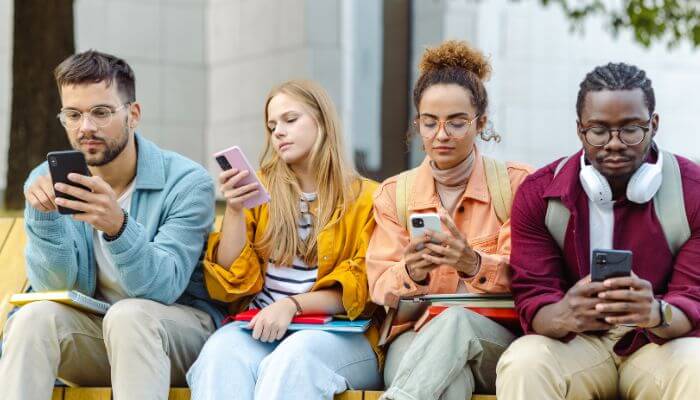
Social media shapes student life today. More than 90% of teenagers use social media every day. They spend an average of 3 to 4 hours online each day. Yet the impact of social media on students remains mixed. It creates both great opportunities and serious challenges.
The real question is simple: How can students use social media well? This isn’t about avoiding these platforms. Instead, it’s about using them smartly. This guide shows you the real impact of social media on students. We explain how it affects grades, mental health, and personal growth.
Additionally, we share practical tips you can use right now. Whether you’re a student or a worried parent, you’ll find answers here. Let’s explore how to make social media work for you, not against you.
1. Understanding the Dual Nature of Social Media in Student Life
The Positive Side: Why Social Media Matters
Social media brings real benefits. First, it helps students connect. They build friendships across the globe. Join study groups easily. They identify mentors in their field. Networking through social media happens naturally and quickly.
Furthermore, social media teaches students new things. Educational creators share study tips daily. They explain difficult subjects in simple ways. Instagram pages show study hacks. TikTok videos teach math and science. YouTube channels break down complex topics. These resources reach millions of students worldwide.
Moreover, quiet students gain confidence online. They participate in discussions without stress. They express themselves freely. This builds their self-esteem. Later, they also speak up more in class.
In addition, social media opens up access to job and internship opportunities. LinkedIn connects students with employers. Twitter links writers with publishers. Instagram showcases creative work. These platforms give young people chances they might not find locally.
The Challenging Reality: What Research Shows
However, social media creates real problems too. Heavy use is linked to anxiety and depression. Students worry constantly about their image. They compare themselves to others. This comparison culture hurts their self-worth.
Moreover, social media damages school performance. Students who use these apps a lot score lower on tests. Their homework quality drops. Their focus suffers. These apps are designed to grab your attention. Notifications interrupt studying. This constant interruption stops deep learning.
Furthermore, cyberbullying happens on social platforms daily. Over 59% of teens face mean comments online. Some receive harmful images. This bullying seriously damages mental health. Students feel unsafe and unhappy.
Also Read: 8 Strategies for Boosting Your Social Media Presence
2. The Academic Impact: How Social Media Affects Learning
Distraction and Reduced Focus
Here’s the truth: checking social media while studying kills focus. Your brain constantly switches between tasks. This “task-switching” reduces learning by up to 40%. Therefore, students remember less. They struggle with challenging problems.
Furthermore, social media creates addiction patterns. Likes and comments trigger dopamine in your brain. This behavior feels rewarding. Your brain wants more. So you constantly check your phone. You ignore your homework. You scroll instead of studying.
Additionally, notifications interrupt concentration. Even one alert pulls your attention away. Your train of thought is disrupted. Getting back to studying takes 15-20 minutes. So a quick notification wastes significant time.
Positive Academic Applications
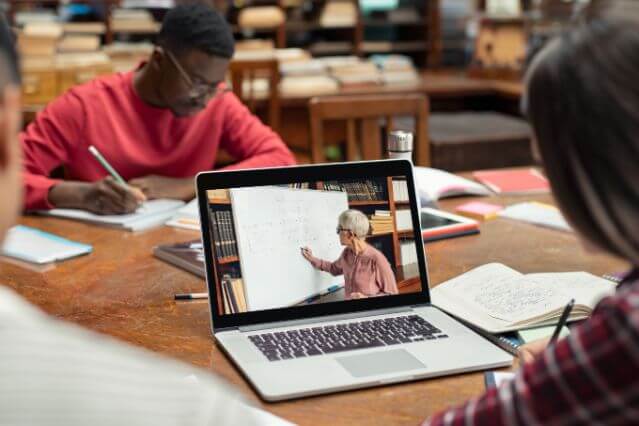
Yet social media helps learning when used right. Educational creators teach chemistry and history. They make boring topics engaging. Students perceive these videos more clearly than textbooks. Young learners prefer short, visual explanations.
Moreover, study groups thrive on social platforms. Friends share notes on WhatsApp. Project teams plan on Instagram. Classes meet on Discord. Collaborative learning happens easily. Students help each other understand tough concepts.
Additionally, social media builds motivation through accountability. Students post their study goals. They share their progress. Friends celebrate their wins. This public commitment keeps them focused. Peer support makes studying feel less lonely.
3. Mental Health and Social Wellbeing: The Real Consequences
Understanding Social Media’s Impact on Student Mental Health
Social media affects how students feel about themselves. Instagram shows perfect lives. Everyone’s vacation photos look wonderful. Everyone’s grades seem perfect. Students compare their real life to others’ fake-perfect images. This comparison hurts their confidence. They feel like failures.
Additionally, social media’s mental health effects are serious. Constant checking causes anxiety. Students fear missing important posts. This fear of missing out (FOMO) feels real. Separation from phones triggers real worry.
Moreover, late-night scrolling ruins sleep. Blue light from screens blocks melatonin. Your body can’t fall asleep. Students lose 45 minutes of sleep on average. Tired students struggle in class. Their grades drop. Their mood suffers.
Building Healthy Digital Habits
Despite these challenges, students can change their habits. The key is intentionality. Set clear rules for yourself. Treat social media like a tool, not entertainment.
Furthermore, understanding how apps work helps. Know that algorithms show you addictive content. Realize that likes don’t prove worth. Recognize fake news quickly. This knowledge gives you power back.
Moreover, simple tricks improve focus fast. Set time limits on apps. Turn off notifications during study time. Keep your phone in another room. These actions work remarkably well. Students feel calmer. They sleep better. They study more effectively.
4. Building Digital Literacy: An Essential Skill for Modern Students
Why Digital Literacy Matters Now More Than Ever
Today’s employers want graduates with strong digital skills. They expect workers to navigate online spaces safely. Therefore, developing these abilities in school matters. It provides you with real career advantages.
Digital literacy includes many abilities. First, you learn to locate reliable sources. You verify facts before sharing. Spot fake news easily. You understand privacy settings. Evaluate who created content. Think critically about what you read.
Additionally, critical thinking about social media protects you from manipulation. Engagement metrics don’t show truth. Viral posts aren’t always accurate. Popular accounts aren’t always credible. Understanding these issues keeps you safe.
Practical Steps to Develop Digital Skills
Start here:
- Verify every source you read.
- Ask yourself these questions.
- Who created this content?
- What proof supports it?
- What might bias the creator?
These questions reveal truth quickly.
Furthermore, control your feed intentionally. Follow educational accounts. Follow inspiring creators. Unfollow anything that makes you feel awful. Your social media experience improves dramatically.
Finally, engage meaningfully online. Write real comments instead of just liking. Have genuine conversations. Share thoughtfully. This authentic engagement feels better. It creates real connections. You feel less addicted to these platforms.
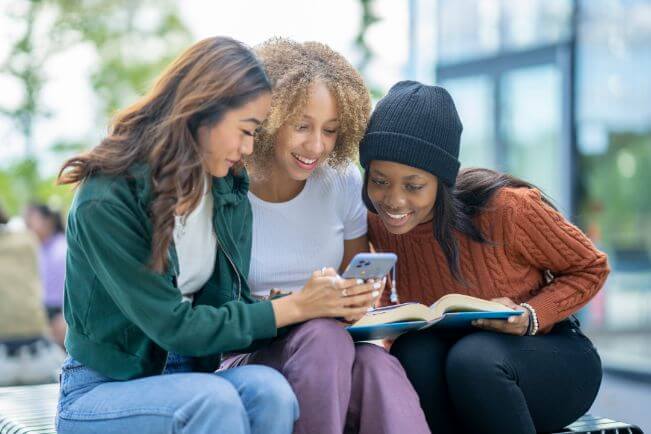
5. Strategies to Maximize Benefits While Minimizing Harm
Create a Personal Social Media Strategy
Successful students plan their social media use. They don’t drift aimlessly through apps. Instead, they define their purpose clearly.
- Why do you use social media?
- For learning?
- And for career growth?
- For real friendships?
- For relaxation?
Know your answer.
Next, clean up your accounts ruthlessly. Unfollow accounts that distract you. Delete apps that waste your time. Keep only platforms that serve you. Many successful students use just one or two apps intentionally. They focus on a few key areas to avoid becoming overwhelmed.
Additionally, use time blocks effectively. Don’t monitor social media all day. Instead, set specific times. Maybe 15 minutes at lunch. Maybe 20 minutes after homework. This batching approach saves focus. Your brain stays on task.
Leverage Social Media for Learning and Growth
Transform social media into a learning tool. Follow experts in your field. Join study communities. Watch educational videos. Attend live webinars. Universities now post academic content on TikTok. Teachers create study guides on Instagram. These resources are free and powerful.
Furthermore, use social media for support and motivation. Join study challenge groups. Post your learning goals. Celebrate your progress online. This public commitment drives you forward. Your friends encourage you. You stay accountable.
Additionally, network strategically for your future. Connect with professionals in your field. Join industry-specific groups. Comment thoughtfully on others’ posts. These real connections matter. They lead to internships. Create mentorship opportunities. They open career doors.
Protect Your Mental Health and Focus
Set firm boundaries with technology. Use app timers that stop you. Enable focus modes that silence alerts. Keep phones out of your study space. These practical steps work immediately.
Furthermore, take regular digital breaks. Spend one evening a week phone-free. Take one month off social media each year. These breaks reset your relationship with apps. You sleep better. Your mood improves. Your grades jump.
Finally, ask for help when you need it. Talk to school counselors about screen time. Many schools offer digital wellness programs. If social media makes you sad or anxious, seek support. Mental health professionals understand tech addiction. They help you find balance.
Also Read: How to Prepare for Institute of Banking Personnel Selection – IBPS Exams
Conclusion
The impact of social media on students depends on how you use it. These platforms offer amazing learning chances. They help you network and grow. They connect you with opportunities. Yet they also present real dangers to focus and mental health.
The evidence shows clearly: intentional students thrive. Use social media strategically. Set healthy boundaries. They develop strong digital literacy skills. In contrast, careless use leads to lower grades and sadness.
The responsibility falls on you. You control your social media habits. Choose which accounts to follow. Decide how much time to spend. Pick how to respond to what you see. Start implementing these strategies today.
- First, audit your current accounts.
- Second, define your purpose.
- Third, set clear time limits.
- Fourth, follow educational content.
- Finally, protect your mental health.
Pick one strategy from this article. Start this week. Then add another strategy next week. Gradually, your relationship with social media improves. Your grades and mental health matter. Your future career matters. Making smart choices about technology now sets you up for success. The power is yours. Use social media intentionally. Make it work for you.
Frequently Asked Questions
1. What is the impact of social media on students’ grades and academic performance?
Social media interrupts focus and increases procrastination significantly. Students who use apps while doing homework score 15-20% lower on exams. Limiting social media use during study hours dramatically improves academic results and learning retention.
2. What are the best social media platforms for students?
LinkedIn works best for career building and networking. YouTube and TikTok offer excellent educational content. Discord connects study communities effectively. Instagram showcases creative professional work. Choose platforms matching your specific learning and career goals.
3. How can students reduce social media addiction?
Set daily time limits using app timers today. Use focus modes to silence notifications during study. Batch social media checks into specific time blocks. Delete apps from phones and access them through browsers instead for less temptation.
4. What mental health strategies help manage social media’s negative impact?
Practice regular digital detoxes monthly or weekly. Curate feeds to remove negative content immediately. Follow inspiring and authentic creators only. Limit comparison-inducing content ruthlessly. Seek professional support if anxiety or depression worsens with usage.
5. Which social media habits do top-performing students maintain consistently?
Top students use social media intentionally for specific goals. They maintain strong boundaries with strict time limits. Follow educational and professional content only. Engage authentically and avoid passive, endless scrolling. They take regular digital breaks.
Tabassum Shaik is an Author, Researcher, and SEO Specialist with over 8 years of experience creating informative content on business, startups, entrepreneurship, marketing, technology, and digital trends. She specializes in researching industry trends and transforming complex topics into practical, easy-to-understand insights. Her goal is to help readers stay informed, learn new ideas, and make better business decisions.