
Introduction
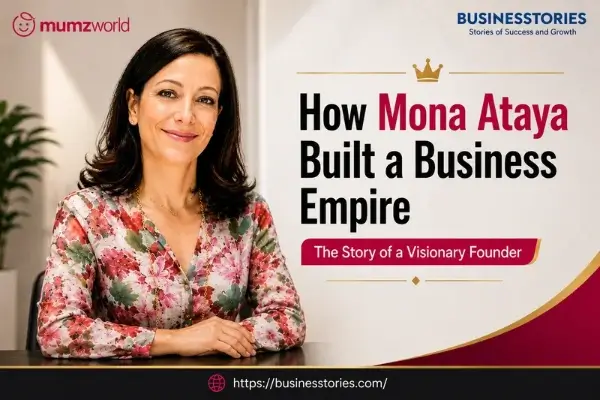
Mona Ataya is one of the most respected entrepreneurial voices in the Middle East. Her story is not just about starting a company. It is about spotting a real market need, building trust, and growing a brand that women across the region could rely on. That is what makes her founder’s journey so compelling.
Many people know Mona Ataya as the founder of Mumzworld, a platform that became a leading online destination for mothers, babies, and children in the Middle East. However, her success was not instantaneous. Profound market insight, strong execution, and the ability to build for a long-overlooked customer base fueled her success.
In this article, we explore how Mona Ataya built a business empire. What made her approach different and what entrepreneurs can learn from her path. We will look at her background. The origin of her business idea. The growth of Mumzworld. The challenges she faced and the leadership lessons that still matter today.
If you are searching for a Mona Ataya founder story, this guide will give you a clear, practical, and inspiring view of her journey.
Who Is Mona Ataya?
Mona Ataya is a Lebanese entrepreneur known for building digital businesses with a strong consumer focus. She has become a role model for founders in the Middle East. She identified a major gap in the market and created a solution that felt personal, useful, and scalable.
Before launching Mumzworld, Mona worked in senior roles that helped shape her business thinking. She developed experience in strategy, marketing, and regional growth. As a result, she understood both the commercial and cultural sides of doing business in the Middle East. That understanding became one of her biggest strengths later on.
What makes Mona Ataya stand out is not only her business success. It is also the way she built a brand that addressed a real need. Many founders chase trends. Mona focused on a customer group that was large, important, and underserved. This simple but powerful insight helped her create long-term value.
Another reason her story is important is that it reflects the rise of women entrepreneurs in the Middle East. She showed that a founder can build a major company while staying close to the customer, the problem, and the mission.
For readers looking for entrepreneurship lessons from Mona Ataya, her career offers a useful pattern: start with insight, build with purpose, and scale with discipline.
The Idea Behind Mumzworld
The foundation of Mona Ataya’s business empire was a clear problem. Parents, especially mothers, needed a reliable, straightforward, and comprehensive place to shop for products related to pregnancy, baby care, and childhood. At the time, the market remained fragmented. Limited, inconvenient, or poorly tailored options existed in the region.
Mona saw an opportunity in that gap. Instead of building a general online store, she created a specialized platform. That decision mattered. It gave the brand focus, clarity, and a stronger connection with its audience. In a crowded market, specificity often wins.
Mumzworld became more than a store. It became a trusted destination. It offered convenience, product variety, and a shopping experience that matched the needs of modern families. This is a major reason why the company grew so quickly. It did not just sell products. It solved a problem.
One useful insight from this stage of her journey is that great startups often begin with a very specific customer pain point. Mona Ataya did not try to serve everyone. She served one audience exceptionally well. That is a lesson many founders overlook.
Her approach also shows the value of timing. The region’s e-commerce was expanding, but building customer trust remained essential. Mona understood that success would depend on both digital access and credibility. That mix of market awareness and execution helped Mumzworld gain traction.
If you are researching how to build a niche e-commerce brand, the Mumzworld story is a strong case study.
How Mona Ataya Scaled the Business
Building a useful idea is one thing. Scaling it is another. Mona Ataya understood that growth would require more than a successful website. It would require operations, customer service, partnerships, and strong brand trust.
One of the smartest parts of her strategy was her focus on regional relevance. Mumzworld was not a copy of a Western e-commerce model. It was shaped for the Middle East, where family decisions, product expectations, and buying behavior can be unique. That local understanding helped the company stand out.
She also made trust a major part of the business model. In online retail, especially for products related to children, trust is everything. Customers want quality, speed, and reliability. By delivering on these basics, Mumzworld built loyalty. Over time, loyalty became growth.
Another important part of scaling was inventory and logistics. E-commerce success depends on getting the right products to the right people at the right time. Mona’s team had to build systems that could support that promise. This is often the hidden part of founder success. Customers see the website. They do not always see the operational discipline behind it.
There is also a broader lesson here. Many businesses grow too fast without a strong foundation. Mona Ataya’s path shows the value of measured expansion. She built trust first, then extended reach. That order matters.
A unique insight from her story is that empathy scales when paired with systems. Mona did not just understand her customer emotionally. She translated that understanding into a business structure that could grow. This is one of the strongest examples of Mona Ataya’s leadership style in action.
Challenges Mona Ataya Faced Along the Way
Every founder’s story includes challenges, and Mona Ataya’s journey was no exception. Launching and growing a business in a developing digital market comes with real obstacles. These include customer skepticism, operational complexity, funding pressure, and the challenge of building brand awareness in a fast-changing environment.
One major challenge was helping customers feel comfortable buying online. In the early days of e-commerce in the region, many people still preferred traditional shopping. Mona had to help change behavior, not just sell products. That required patience, consistency, and a strong service culture.
Another challenge was building a company that could serve a large and diverse market. The Middle East includes different countries, languages, and shopping habits. That means a founder must think carefully about scale. What works in one market may not work in another. Mona’s team had to make smart decisions about product selection, customer experience, and expansion.
Funding is another issue many startups face, and women founders often face even more scrutiny. Although the details of each funding round are only part of the overall story, they are important. The broader reality is clear: building a business at scale requires confidence from investors and strong proof of execution.
Mona Ataya’s response to these challenges was not to make noise. It was to build steadily. That is an important lesson. Some founders try to grow through hype. Others grow by solving problems well. Mona belongs to the second group.
For entrepreneurs, her story is a reminder that obstacles are not signs to stop. They are signals to adapt. If you are studying how women entrepreneurs scale online businesses in the Middle East, this part of her journey is especially valuable.
Leadership Lessons from Mona Ataya
Mona Ataya’s success offers several lessons for founders, business leaders, and aspiring entrepreneurs. Her story is not only inspiring. It is practical.
1. Start with a real customer need
Mona did not begin with a trendy idea. She began with a real need. Mothers needed a dependable shopping experience. Because the need was clear, the solution could be built with purpose.
2. Know your audience deeply
She understood the customer beyond basic demographics. She knew what parents wanted, what they worried about, and what would earn their trust. That kind of insight is a competitive advantage.
3. Build trust before scale
A business can grow only if people believe in it. Mona focused on reliability, service, and consistency. Those elements made the brand stronger over time.
4. Think locally, then scale regionally
Mumzworld’s success stemmed from its regional customization. At the same time, the company had a model that could expand. That balance is critical for any founder in an emerging market.
5. Stay focused on execution
Vision matters, but execution wins. Mona’s story shows that great founders do not just dream. They build systems, teams, and processes that support growth.
A more profound insight here is that visionary founders are often excellent listeners. Mona Ataya listened to the market. She listened to customer pain points. Then she acted with speed and clarity. That combination is rare and powerful.
If you are looking for business growth lessons from Mona Ataya, these five principles are a strong starting point.
Why Mona Ataya’s Story Matters Today
Mona Ataya’s story matters because it reflects the direction of modern entrepreneurship. Today’s most successful companies often start by serving a specific need very well. They focus on trust, convenience, and customer experience. That is precisely what Mona did.
Her journey also matters because it highlights the growing influence of female founders in the Middle East. Representation is important. When women observe other women successfully building major companies, they recognize new possibilities for themselves. That is part of the impact Mona has had beyond her own business.
There is also a lesson for digital-first businesses. Many startups think technology alone is enough. Mona’s story proves otherwise. Technology is only valuable when it improves a real customer experience. Mumzworld succeeded because it used digital tools to solve a human problem.
Another reason her story stands out is that it connects ambition with usefulness. Some founders build for attention. Mona built for value. That difference matters. Businesses that solve real problems often last longer than businesses built only for trend appeal.
For readers interested in founder stories that inspire women in business, Mona Ataya offers a powerful example of discipline, customer focus, and long-term thinking.
Conclusion
Mona Ataya built more than a company. She built a brand that answered a real market need and earned the trust of thousands of families. Her journey shows that a successful founder does not need to chase every opportunity. Instead, success often comes from seeing one important problem clearly and solving it well.
From the early idea behind Mumzworld to the challenges of scaling in a complex region, Mona Ataya proved that vision must be matched with execution. She understood her audience, stayed focused on trust, and built a business that could grow with purpose. That is what makes her story so powerful.
For aspiring entrepreneurs, her path offers a simple but valuable lesson: start with the customer, build with discipline, and grow with patience. If you are creating a business, ask yourself whether you are solving a real problem in a meaningful way. If you are leading a team, think about how trust and consistency shape long-term success.
The story of Mona Ataya is not just about one founder. It is about what happens when insight, courage, and execution come together. And that is why her journey continues to matter.
If this story inspired you, consider applying one lesson from Mona Ataya to your own work today. Begin with small steps, maintain clarity, and create something that genuinely meets people’s needs.

Tabassum Shaik is an Author, Researcher, and SEO Specialist with over 8 years of experience creating informative content on business, startups, entrepreneurship, marketing, technology, and digital trends. She specializes in researching industry trends and transforming complex topics into practical, easy-to-understand insights. Her goal is to help readers stay informed, learn new ideas, and make better business decisions.