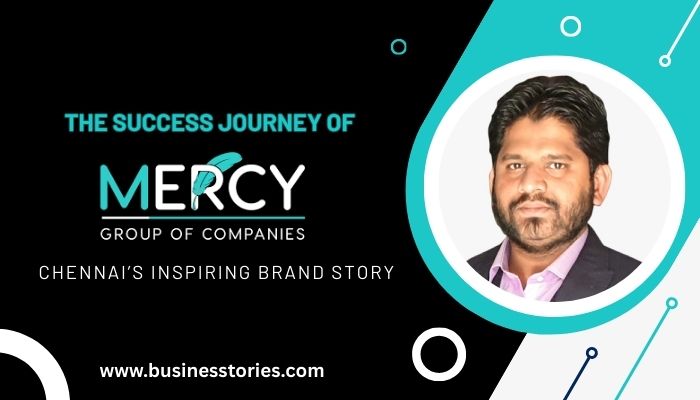
Most business stories start with a garage and a big idea. Mercy Group of Companies started in a different place. It began in Chennai with a young leader, a strong sense of purpose, and a simple tagline: “Believe in Mercy.” Today, the group runs businesses in food, travel, tech, building, and online retail.
So how did one Chennai firm spread into so many fields? And why do so few people know the full story? In fact, most pages about the group are short directory listings. They share a phone number and an address, but they skip the “how” and the “why.”
In this brand story, you will learn who leads the group and how each business fits together. You will also get simple lessons you can use in your venture. Let’s dig in.
Who Is Behind Mercy Group of Companies?
Every group has a face. For Mercy, that face is Syed Arif, the Chairman and Managing Director. Some reports also spell his name as Syed Arifullah. According to the group’s website, he leads strategy, makes the big calls, and shapes how the whole firm runs.
A Leader Who Started Young
Arif’s path is unusual. He earned a degree in Physics from The New College in Chennai in 2011. After that, he also studied Islamic Sciences, and he is now working on a Master’s degree.
Yet his work life began even earlier. In fact, the group says he started his career in his teens. Additionally, at just 21, he became the youngest secretary in the history of a national group.
That early start matters. Because he learned on the job, he built real skills in building, interiors, restaurants, and travel. As a result, he could later run several businesses at once. In other words, his “training” was the work itself.
Two Dates, One Story
Here is the part most articles miss. Crunchbase lists the founding year as 1999. However, the group’s own site says its chairman has been with the firm since its inception in 2016. Meanwhile, Mercy Tourism, one of its key units, began in 2017.
So which date is right? The honest answer is that both may tell part of the story. The roots may go back further. Still, the modern group, with its many brands, seems to have taken shape around 2016.
For readers, this information is a useful lesson. Always check the source. Directory sites often copy old or partial data. That is why a careful read of the company’s own pages matters so much.
Furthermore, ZoomInfo lists Selvin Raj as a co-founder. So the story is not one person’s work alone. Instead, it is a collaborative effort that developed gradually. Even so, Arif remains the public face and the main voice of the brand.
How Mercy Group of Companies Grew Across Five Sectors
Mercy’s growth did not come from one big hit. Instead, it came from many small, steady steps into new fields. Today, the main brands include Mercy Foods, Mercy Tourism, Mercy IT Corp, Mercy InfraTech, Mercy Shelters, and Mercy Retail Solutions.
Mercy Foods
Food was one of the first big pillars. Mercy Foods works in restaurants, food processing, meat products, and online sales. The group says its focus is on what buyers like and need. In other words, the menu follows the market.
Mercy Tourism
Mercy Tourism started in 2017 as a small partnership firm. Since then, it has grown into a full travel service with its head office in Chennai. It offers trip planning, tickets, passport and visa help, hotel bookings, and car hire. Plus, it covers local, global, health, and study travel.
Its real edge, though, is Hajj, Umrah, and halal tourism. The market is a niche with steady demand. For example, India’s Hajj quota for 2026 was fixed at 175,025 pilgrims. That is a large and loyal market, yet few general travel firms serve it well.
Mercy IT Corp
Mercy IT Corp began as the in-house tech team for the group. First, it served its sister companies. Then it opened its doors to outside clients. Now it offers web and app building, ERP systems, and marketing and branding. Next, it plans to move into cloud computing, data science, and AI.
Mercy InfraTech and Mercy Shelters
On the building side, Mercy InfraTech and Mercy Shelters cover construction and homes. Crunchbase notes that the group offers flats and building services. Meanwhile, the group has also worked on interior design.
Together, these units make Mercy a truly diversified business group in Chennai. Third-party data puts its team at somewhere between 101 and 500 people, so the exact size depends on the source.
The “Triangle” Model: The Real Secret Behind the Growth
Here is the insight most write-ups skip. Mercy’s units do not just sit side by side. Instead, they feed each other.
The best example is what the group calls a “triangle.” Mercy Foods LLP, Mercy IT Corp, and Mercy e-Commerce worked together to build an online meat store. Food brought the product. IT built the tech. E-commerce ran the sales.
As a result, the group launched a new business without hiring an outside agency or renting an outside platform.
Why This Matters
This strategy is a smart move for a mid-sized firm. Because the IT team already knew the food business, it could build faster. Furthermore, the group kept its data and profits in-house. In short, each new unit made the next one cheaper to start.
The timing was smart too. India’s online meat delivery market was worth about USD 42 million in 2023. Moreover, analysts expect it to grow at about 16% a year and reach around USD 119 million by 2030.
Notably, South India leads this market. Therefore, a Chennai-based firm gained a competitive edge in the market.
The In-House Tech Advantage
Many groups pay outside firms for their websites and apps. Mercy did the opposite. First, it built its own tech team. Then it sold those same skills to others.
This “serve yourself, then sell” path lowers risk. After all, the team receives real practice on group projects before it faces paying clients. That said, it also has a downside. If the team stays too busy with group work, its growth outside the group can slow down.
So the real skill is balance, not just building new things. Now the group is building a larger online marketplace. If it works, the triangle could turn into a full circle. Food, travel, homes, and tech could all sell through one Mercy platform.
Why Chennai Was the Right Place to Grow
Location shapes a business more than most founders admit. For Mercy, Chennai was a strong base.
A Fast-Growing State Economy
Tamil Nadu is one of India’s fastest-growing states. In fact, its real growth reached about 11% in 2025–26. That came after 11.19% growth the year before. Plus, the state’s per capita output reached about ₹4.56 lakh.
So what does this growth mean for a group like Mercy? Simply put, more people have money to spend on food, travel, and homes. Furthermore, a growing middle class is more likely to shop online. That is precisely where Mercy has placed its bets.
Strong Talent and Culture
Chennai also offers excellent talent. The city has strong colleges, and many young people want tech and service jobs. For example, public profiles show that Mercy has hired developers, designers, digital marketers, and many project interns. In other words, the group has used the city’s young workforce to grow.
Besides, Chennai has a long line of trusted business groups. Big names like the Murugappa Group grew from this same city. While Mercy is far smaller, it follows a similar idea. It builds several businesses under one trusted name.
A Gateway to the Gulf
There is one more edge. Chennai has deep links with the Gulf through travel, trade, and family ties. That helps a business like Mercy Tourism, which serves pilgrims heading to Saudi Arabia. As a result, the city’s location supports one of the group’s most focused niches.
Furthermore, Chennai’s port and airport link the city to the rest of the world. That makes travel, trade, and food supply easier. For a group that works in tourism and food at the same time, this is a real edge. In short, the city gives Mercy both the customers and the roads to reach them fast.
Purpose Before Profit: Mercy’s Community Work
Many firms add charity as an afterthought. Mercy, however, puts it right on its home page. The group lists five community goals: peaceful living, health, education, empowerment, and the fight against hunger.
Leadership Rooted in Service
This focus comes from the top. Syed Arif chairs a humanitarian group and is the founding secretary of The Humanity Trust. He is also a trustee of Aspire College of Excellence. Moreover, the group’s site says the Saudi government invited him as a guest of King Salman for his work for humanity.
Why Purpose Helps Growth
You may believe that charity hinders a business’s progress. However, for Mercy, it may do the opposite. Here is why:
- Trust: The brand name itself signals care. As a result, customers may feel safer buying from it.
- Loyalty: Faith-based travelers, for instance, want a partner who shares their values. So the Hajj and Umrah focus fits the group’s purpose.
- Talent: Young workers often want jobs with meaning. Therefore, a purpose-led firm can attract and keep excellent people.
How Purpose Shapes Daily Choices
Purpose also guides which businesses the group picks. For example, food links to the fight against hunger. Housing links to peaceful living. Travel links to faith and family. In other words, each unit fits the mission, not just the market.
As a result, the brand feels joined up instead of random. That is rare for a group that works in so many fields.
A Fair Caution
That said, purpose only works if it is real. Customers can spot empty “cause marketing” fast. So the true test is action, not slogans. If you want to judge Mercy’s impact, look for clear reports, numbers, and on-the-ground results.
Currently, the group’s public pages communicate its goals, but they provide few concrete figures. This gap represents the next chapter that Mercy needs to address.
Lessons Entrepreneurs Can Learn from Mercy Group of Companies
You don’t need a large budget to learn from Mercy Group of Companies. In fact, its path offers simple steps any founder can follow.
Step 1: Start Where You Have Skills
Arif began in fields he already knew, like building, interiors, and food. So start with what you know well. Then grow from there. After all, early wins build the cash and the confidence you need for bigger bets.
Step 2: Build Shared Services Early
Mercy’s in-house IT team helped every unit. Likewise, you can share one tech, finance, or marketing team across projects. As a result, each new idea costs less to test.
Step 3: Pick a Niche With Loyal Demand
Halal and Hajj travel is a focused market. Similarly, look for a group of buyers that big players ignore. Then serve them better than anyone else. For example, think about faith, age, language, or local habits. Each one can point to a loyal group of buyers.
Step 4: Let Your Units Feed Each Other
The online meat store came from three units working together. So ask yourself a simple question. Can two of my projects create a third? If yes, you have a growth engine. Even a small link, like shared customers, can save you a lot of time and money.
Step 5: Keep Your Public Story Clear
Mercy’s founding date differs across sites, and that creates doubt. Therefore, keep one clear timeline on your website, LinkedIn, and Crunchbase. After all, trust starts with simple facts.
Step 6: Make Purpose Visible
Finally, show your values in action. Share real numbers from your community work. Because people trust what they can see, proof always beats promises.
Overall, Mercy’s story shows that growth does not need a big start. Instead, it needs a clear purpose, smart links between businesses, and steady steps.
Conclusion
The untold story of Mercy Group of Companies is not just about a single fortunate event. Instead, it is about steady, connected growth across food, travel, tech, building, and online retail.
First, we saw that the group’s timeline is more complex than most pages suggest. Public records say 1999, while the group’s own site points to 2016. Next, we looked at how each unit grew, from Mercy Foods to Mercy Tourism and Mercy IT Corp.
Then we explored the “triangle” model, where three units joined forces to build an online meat store. We also saw how Tamil Nadu’s strong economy gave the group room to grow.
Above all, Mercy shows that purpose and profit can work together. Its focus on health, education, and hunger is part of the brand, not an add-on. Still, the next step is to back those goals with clear, public results.
Looking ahead, the group plans to move into cloud, data, and AI and to build a larger online marketplace.
Frequently Asked Questions
1. Who is the founder and chairman of Mercy Group of Companies Chennai?
Syed Arif, also written Syed Arifullah, is the Chairman and Managing Director of Mercy Group of Companies. He leads strategy across its food, tourism, IT, and construction businesses and also heads several humanitarian groups.
2. What businesses does Mercy Group of Companies run across Tamil Nadu?
Mercy Group of Companies runs Mercy Foods, Mercy Tourism, Mercy IT Corp, Mercy InfraTech, Mercy Shelters, and Mercy Retail Solutions. Together, these cover food, travel, tech, construction, housing, and e-commerce from Chennai.
3. When was Mercy Group of Companies founded, and why do dates differ?
Crunchbase lists 1999 as the founding year. However, the group’s own website says its chairman has been there since its 2016 inception. The roots may be older, but the modern group took shape around 2016.
4. What makes Mercy Tourism different from other Chennai travel firms?
Mercy Tourism offers full travel services, but its focus on Hajj, Umrah, and halal tourism sets it apart. This niche serves faith-based travelers from Chennai who want a trusted, values-driven travel partner.
5. What can entrepreneurs learn from the growth of Mercy Group today?
Entrepreneurs can learn to start with known skills, share services like IT across units, and choose loyal niche markets. Mercy also shows how separate businesses can combine to launch new ventures at a lower cost.

Tabassum Shaik is an Author, Researcher, and SEO Specialist with over 8 years of experience creating informative content on business, startups, entrepreneurship, marketing, technology, and digital trends. She specializes in researching industry trends and transforming complex topics into practical, easy-to-understand insights. Her goal is to help readers stay informed, learn new ideas, and make better business decisions.