
Introduction
Think about the best boss you ever had. This person likely went beyond merely assigning tasks. They truly listened to you. They understood your challenges. And they cared about your growth. This is what emotional intelligence and empathy look like in action. In fact, a 2021 Gallup study shows that highly engaged teams are 21% more profitable.
The common thread? Leaders who connect with their people on a human level. However, many leaders still struggle with this question: How can they develop emotional intelligence and empathy? The positive news is that these are not fixed traits. You can learn them. You can practice them. And you can grow them over time.
In this article, we will share 10 clear and simple strategies. Each strategy comes with practical steps you can start using today. Whether you lead a small team or a large company, these tips will help you build stronger trust and better results.
Never underestimate the significance of emotional intelligence and empathy in today’s business environment. These skills enable leaders to effectively engage and retain their teams, foster a productive workplace culture, and ultimately drive organizational success.
In this article, we will explore the concepts of emotional intelligence and empathy, examining their importance in effective leadership. Additionally, we will offer practical tips to help you begin developing or enhancing these essential skills—the human side of leadership.
What Are Emotional Intelligence and Empathy in Leadership?
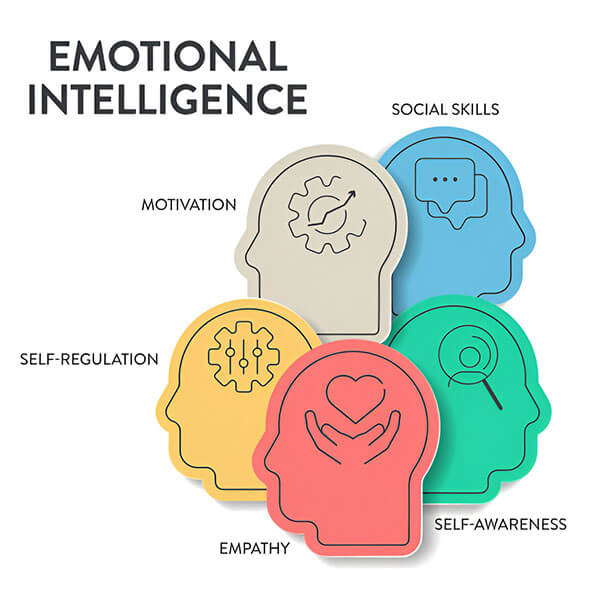
Before we dive into the how, let us first answer the what. Emotional intelligence (EQ) is your ability to notice and manage your emotions. It is also your ability to understand the feelings of others. Psychologist Daniel Goleman breaks EQ into four parts: self-awareness, self-management, social awareness, and relationship management.
On the other hand, empathy is one key part of EQ. It signifies your ability to empathize with others. You can sense what they feel. And you can respond with care. Together, emotional intelligence and empathy help leaders build trust and loyalty.
In short, leaders with high EQ create safe spaces. They listen without judgment. They connect before they correct. And most importantly, they treat emotions as data — not as noise.
How Entrepreneurship as a Career Can Transform Your Life. Discover the Benefits, Opportunities, and Success Path of Becoming an Entrepreneur.
Why Emotional Intelligence and Empathy Matter More Than Ever
The workplace has changed a lot recently. Remote and hybrid work is now common. Teams span across different time zones and cultures. In this new world, old command-and-control styles simply do not work anymore.
A 2023 LinkedIn Workplace Learning Report found that 74% of employees want their managers to be more empathetic. Meanwhile, Gallup research shows that when managers focus on their team’s strengths, engagement jumps from 9% to 67%.
Therefore, why do emotional intelligence and empathy matter so much right now? First, they build trust in virtual settings where body language is missing. Second, they reduce burnout because employees feel heard and valued. Third, they improve teamwork during stressful times. Leaders with high EQ see problems sooner.
They handle conflicts before they get worse. And they make people feel safe enough to share bold ideas. Simply put, empathy is no longer a soft skill. It is a must-have for modern leadership success.
How Can Leaders Develop Emotional Intelligence and Empathy? 10 Actionable Strategies
1. Start with Self-Awareness
The first step is to cultivate self-awareness. How can you understand others if you do not understand yourself? Start by tracking your emotional triggers. For example, keep a journal for one week. Every day, write down three moments when you felt a strong emotion.
What triggered it? How did you react? This simple exercise shows patterns you may never have noticed before. As a result, you can pause before reacting next time. You can also ask your team for honest feedback.
Say this: ‘What is one thing I do that makes your work harder?’ Then listen without defending yourself. Leaders who exercise this skill show real courage. And they build better self-control over time.
2. Practice Active Listening
Most leaders listen only to reply. But empathetic leaders listen to understand. Active listening means you provide your full attention. You put your phone away. You make eye contact. And you do not interrupt. Then, you summarize what the other person said.
For example, say, ‘Let me see if I have this right. You feel overwhelmed because the deadline moved up. Is that correct?’ This small habit makes people feel seen and heard. So, try this exercise today: In your next one-on-one, spend 70% of the time just listening.
Let the other person speak. Ask open-ended questions such as ‘What is on your mind?’ and ‘How can I help?’ Then watch how your connection grows.
3. See Things from Their Point of View
Perspective-taking is a skill you can practice every day. It means you pause and ask yourself: ‘What might this person be thinking or feeling right now?’ Before a tough meeting, take three minutes. Picture the other person’s world.
What pressures do they face? What worries them? Research from Stanford shows that this approach helps people solve problems better. So, try this exercise: In your next disagreement, argue the other person’s side out loud first.
You may be surprised by what you learn. This habit builds stronger empathy faster than any book ever could.
4. Learn to Manage Your Emotions
You cannot pour from an empty cup. If you feel stressed or frustrated, you cannot help anyone else. Self-regulation starts with small daily habits. For example, when you feel triggered, pause for five seconds. Breathe deeply.
Ask yourself, ‘Will this matter in six months? Most of the time, the answer is no. Over time, this pause becomes your superpower. You respond instead of react. Also, take care of your body. Sleep well. Move your body often.
When you feel calm inside, you lead with clarity. And your team will notice the change immediately.

5. Show Genuine Compassion
Empathy plus action equals compassion. When you see someone struggling, do something about it. For example, if an employee faces a personal crisis, allow them time off without adding stress. Small acts of kindness can have a significant impact.
A Harvard Business Review study found that compassionate leaders retain talent longer. So, start small. Consider writing a thank-you note to someone this week. Acknowledge their effort publicly. When you lead with compassion, you do more than inspire. You build fierce loyalty.
6. Ask Better Questions
Questions are critical to creating deeper connections. Instead of asking closed questions, use open-ended ones. For example, avoid asking, “Is the project on track?” Instead, ask, “What part of this project challenges you the most?” Open questions invite real conversation.
They also help you learn about hidden issues before they become big problems. So, keep a list of five great questions handy. Use them in every check-in. Your team will feel more valued. And you will gain insights you never expected.
7. Seek Honest Feedback Often
You cannot grow what you do not measure. So, ask your team how you are doing. A simple anonymous survey works well. Ask questions such as, “Do I listen to your concerns?’ “Do I show empathy when you face problems?” Then, review the results objectively.
Do not become defensive. Instead, pick one area to improve each quarter. Let your team know what you are working on. Ask them to hold you accountable. This open approach builds trust. It also indicates that you practice what you preach.
8. Embrace Different Cultures and Backgrounds
Empathy grows when you understand different experiences. In today’s global workplace, teams are more diverse than ever. So, take time to learn about other cultures. Read books. Watch films. Ask questions with curiosity, not judgment.
A team with different backgrounds creates better ideas. A 2020 McKinsey report confirms the finding: diverse teams outperform others. Your empathy grows when you step outside your bubble. Make empathy a habit, not a one-time event.
9. Normalize Mental Health Conversations
Mental health matters just as much as physical health. Yet many leaders avoid this topic. Do not be one of them. Start your team meetings with a simple check-in: “How are you really doing today?” How are you really doing today? Leaders who ask this question demonstrate genuine concern for their team members’ well-being.
The World Health Organization says that depression and anxiety cost the global economy $1 trillion each year. When you talk openly about well-being, you reduce stigma. You also build a culture where people feel safe.
10. Reflect and Keep Learning
Emotional intelligence is a journey, not a destination. So, set aside 10 minutes every Friday to reflect. Ask yourself three questions: What went well? Where did I lose patience? How can I do better next week? Also, invest in learning.
Take an EQ course. Join a peer group. Work with a coach. The best leaders never stop growing. Every small step forward accumulates to create a significant impact over time. Please select one strategy from this list. Start today. Then add another next month. Your team deserves it. And so do you.
How Reinforcement Learning from Human Feedback (RLHF) Works. A Beginner-Friendly Guide to the Key AI Technique Behind ChatGPT and Modern Language Models.
Conclusion
Leadership is not just about strategy and results. At its heart, leadership is about people. And people need to feel understood, valued, and seen. This is why emotional intelligence and empathy are vital for modern leaders. In this article, we covered ten simple strategies you can use today. Start with self-awareness.
Then, practice active listening. Learn to see things from another perspective. Manage your emotions well. Show compassion through small actions. Ask better questions. Seek honest feedback. Embrace diversity.
Normalize mental health talks. And never stop learning. Each of these habits builds on the others. Together, they create a powerful leadership style that people trust. Start small. Pick one strategy. Practice it for one week. Then add another. You will see the change — not only in your team but also in yourself. Great leaders are not born.

Tabassum Shaik is an Author, Researcher, and SEO Specialist with over 8 years of experience creating informative content on business, startups, entrepreneurship, marketing, technology, and digital trends. She specializes in researching industry trends and transforming complex topics into practical, easy-to-understand insights. Her goal is to help readers stay informed, learn new ideas, and make better business decisions.