

The global cold chain market is growing fast. In fact, experts expect it to reach over $800 billion by 2030. More businesses now need cold storage warehouse facilities than ever. Why? Because demand for fresh food, pharmaceuticals, and temperature-sensitive goods keeps rising.
But setting up a cold storage warehouse is not simple. First, you must plan the site carefully. Next, you need to choose the right cooling systems. Then you must follow strict rules. Ultimately, every choice impacts your financial outcome.
In this guide, we will walk you through each step of setting up a cold storage warehouse. You will learn about site selection, building design, refrigeration systems, and daily operations. Moreover, we will share real-world examples and expert tips. As a result, you will feel ready to start your project with confidence. So, let us dive right in.
Also Read: Top Advantages of Inventory Management: A Game-Changer for Business Growth
1. Define Your Cold Storage Warehouse Goals and Requirements
Before you pour concrete or buy cooling units, you must define your goals. In other words, ask yourself: What will this cold storage warehouse store? The answer shapes everything else.
Identify Your Product Types
Different products need different temperatures. For instance, frozen foods require temperatures between -18°C and -25°C. On the other hand, fresh produce needs to be kept at 0°C to 5°C. Meanwhile, pharmaceuticals like vaccines often demand a strict 2°C to 8°C range. Therefore, list every product you plan to store. Thereafter, note its ideal temperature and humidity level.
Estimate Capacity and Throughput
Next, please determine the amount of space you will require. First, calculate your current storage volume. Then, add at least 20-30% extra capacity for future growth. In addition, consider throughput. How many pallets will move in and out each day? High throughput means you need wider aisles and more loading docks.
For example, Americold, one of the largest cold storage operators globally, always designs facilities with expansion in mind. They leave room for additional racking and future automation. Similarly, you should plan for the next 5-10 years, not just today.
Unique Insight: The Hidden Cost of Wrong Assumptions
Many first-time builders make a costly error. They guess their requirements instead of analyzing data. As a result, they end up with a warehouse that is either too small or too large. A better approach? Talk to future clients first. Survey their needs. Study their growth plans. In short, let data drive your decisions. This straightforward action has the potential to save you millions in the future.
2. Choose the Right Location and Site
The location of your cold storage warehouse can significantly impact its success. After all, you need to be close to your customers. At the same time, you must consider utility costs, labor availability, and transport links.
Proximity to Markets and Transport Hubs
Ideally, your warehouse should be located within 200-300 km of major distribution points. For instance, if you supply grocery chains in a metro area, pick a site near highway intersections. Furthermore, check access to rail lines and ports if you handle imports or exports. The shorter the last-mile delivery, the lower your transport expenses.
Utility Infrastructure and Power Supply
Cold storage facilities use enormous amounts of electricity. In fact, energy costs can account for 30-50% of operating expenses. Consequently, you must ensure the site has reliable, high-capacity power. Furthermore, ask the local utility about backup power options. Many successful facilities install on-site generators and even solar panels to reduce their dependence on the grid.
Labor Pool and Local Regulations
You will need skilled workers to run your facility. Therefore, research the local labor market before buying land. In addition, check zoning laws, building codes, and environmental rules. For example, some areas restrict ammonia-based refrigeration systems due to safety concerns. Knowing these rules early prevents expensive surprises later.
Unique Insight: Climate as a Strategic Advantage
Here is something most guides miss: the local climate affects your energy bill. Building in a cooler region naturally reduces cooling costs. For instance, a warehouse in the Netherlands can use ambient air for pre-cooling during winter months. In contrast, a facility in Dubai fights extreme heat year-round. Therefore, factor in climate when comparing sites.
3. Design the Cold Storage Warehouse Layout
The layout of your cold storage warehouse determines how smoothly goods flow. A well-designed layout cuts labor costs and boosts efficiency. On the flip side, poor design leads to bottlenecks and wasted energy.
Temperature Zones and Airflow
Most facilities have multiple temperature zones. For example, you might need a deep freeze zone (-25°C), a chill zone (0°C to 4°C), and an ambient zone for dry goods. Importantly, each zone must have proper airflow. Cold air must circulate evenly to avoid hot spots. Use computational fluid dynamics (CFD) modeling during design to simulate air movement. This technique helps engineers place evaporators and fans in the right positions.
Racking Systems and Aisle Width
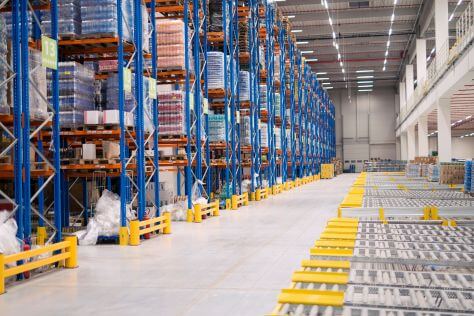
Choose racking based on your throughput. Drive-in racks maximize storage density but limit access. On the other hand, selective pallet racks offer convenient access to every pallet. Meanwhile, very narrow aisle (VNA) systems require special forklifts but can increase capacity by 30-40%. Therefore, match the racking type to your operational needs.
Loading Docks and Staging Areas
Loading docks must be well-sealed. Otherwise, warm air enters, causing ice buildup. Install dock shelters, inflatable seals, and high-speed doors to minimize temperature loss. In addition, include a staging area where incoming goods can be sorted before entering cold zones. This small buffer zone prevents large temperature swings in the main storage area.
Unique Insight: Design for Automation from Day One
Even if you do not install robots today, it’s beneficial to design with them in mind for tomorrow. For instance, leave extra ceiling height for future crane-based automated storage and retrieval systems (AS/RS). Furthermore, plan wider aisles in key areas for future autonomous mobile robots (AMRs). Adding these features later is far pricier than planning.
4. Select the Right Refrigeration System
The refrigeration system is the heart of your cold storage warehouse. Naturally, choosing the right one affects both upfront costs and long-term savings.
Types of Refrigeration Systems
There are three main options.
- First, ammonia (NH₃)-based systems are highly efficient and widely used in large facilities. However, ammonia is toxic, so safety measures are critical.
- Second, CO₂ (carbon dioxide) systems are gaining popularity because they are environmentally friendly and non-toxic.
- Third, synthetic refrigerant systems offer simplicity but face stricter regulations due to global warming concerns.
According to the International Institute of Ammonia Refrigeration (IIAR), ammonia systems remain the standard for industrial cold storage because of their low operating cost and excellent heat transfer properties. Meanwhile, CO₂ cascade systems are becoming the top choice in Europe due to strict environmental laws.
Energy Efficiency Features
Look for energy-saving features like variable frequency drives (VFDs) on compressors and fans. These devices adjust motor speed based on demand. As a result, they can reduce energy use by 15-25%. Additionally, install heat recovery systems that capture waste heat from refrigeration and use it for underfloor heating or hot water.
Finally, consider LED lighting with motion sensors inside cold rooms. Every kilowatt-hour saved adds to your profit.
Unique Insight: The Rise of Natural Refrigerants
A quiet revolution is happening in the cold chain industry. More operators are switching to natural refrigerants like ammonia and CO₂. Why? Regulations on synthetic refrigerants are tightening. The Kigali Amendment to the Montreal Protocol pushes countries to phase down HFCs. By choosing natural refrigerants now, you future-proof your investment against regulatory changes.
5. Ensure Regulatory Compliance and Safety Standards
Compliance is not optional. In fact, it is one of the most critical parts of setting up a cold storage warehouse. Failing to meet regulations can lead to fines, shutdowns, or worse.
Food Safety and GMP Standards
If you store food, you must follow Good Manufacturing Practices (GMP) and Hazard Analysis Critical Control Points (HACCP) guidelines. These frameworks ensure food stays safe throughout storage. For instance, you need temperature monitoring logs, pest control programs, and regular sanitation schedules. In addition, the FDA’s Food Safety Modernization Act (FSMA) requires preventive controls in the U.S. market.
Building Codes and Fire Safety
Cold storage buildings face unique fire risks. Insulated metal panels can spread flames quickly if not properly protected. Therefore, install fire-rated panels and sprinkler systems designed for sub-zero environments. Furthermore, ensure ammonia detection systems and emergency ventilation are in place if you use ammonia refrigeration.
Energy Codes and Environmental Permits
Your facility must meet local energy codes such as ASHRAE 90.1 or similar standards. Moreover, large refrigeration systems often require environmental permits. Agencies like the Environmental Protection Agency (EPA) in the U.S. regulate refrigerant handling. Therefore, work with experienced engineers who understand the local regulatory landscape.
Unique Insight: Compliance as a Competitive Advantage
Most guides treat compliance as a burden. But here is a different view: compliance can win you customers. Major food brands and pharma companies audit warehouses before signing contracts. If you can show perfect compliance records and third-party certifications like BRCGS or SQF, you stand out from competitors. In short, turn compliance into a selling point.
6. Procure Equipment and Technology Solutions
A modern cold storage warehouse needs more than just cooling. It also needs equipment and technology to run efficiently. Therefore, plan this step carefully.
Material Handling Equipment
You will need forklifts, pallet jacks, and conveyors. However, standard forklifts have difficulty operating in freezing conditions. Batteries drain faster. Hydraulics become sluggish. Therefore, invest in cold-condition-rated equipment. For example, lithium-ion batteries perform better in the cold than lead-acid ones. Furthermore, heated cabs keep operators comfortable and productive.
Warehouse Management System (WMS)
A good warehouse management system (WMS) is essential. It tracks inventory, manages picking, and ensures First-Expiry-First-Out (FEFO) rotation. Moreover, many modern WMS platforms integrate with temperature monitoring sensors. As a result, you get real-time alerts if a zone goes out of range. Some popular options include Blue Yonder, SAP EWM, and Manhattan Associates.
Temperature Monitoring and IoT Sensors
Install wireless IoT temperature sensors throughout the facility. These devices log data continuously and send alerts for any deviation. Furthermore, many systems now include predictive analytics. In other words, they can warn you about potential equipment failure before it happens. This feature alone can prevent thousands in spoiled inventory.
Unique Insight: The Digital Twin Advantage
Forward-thinking operators are now building digital twins of their facilities. A digital twin is a virtual replica that mirrors the real warehouse in real time. Using this tool, you can simulate changes, like adding new racking or adjusting airflow, before making physical changes. In addition, it helps with training and troubleshooting. The long-term savings from optimization are significant, even though it necessitates an initial investment.
7. Manage Construction and Installation
Once the design is done, construction begins. This phase needs close oversight. After all, mistakes during construction can haunt you for years.
Choose Experienced Contractors
Building a cold storage warehouse is not like building a standard shed. It requires specialized knowledge. For instance, the insulation must form a continuous vapor barrier. Any gap invites moisture and ice. Therefore, hire contractors who have built cold storage facilities before. Check their references and, if possible, visit their past projects.
Phased Installation and Testing
Break the project into phases. First, complete the building envelope and insulation. Next, install refrigeration equipment. Then, commission and test each system. Run the facility for at least 48-72 hours under full load before accepting it. During this period, monitor temperature stability, door seals, and defrost cycles.
Punch Lists and Handover
Create a detailed punch list of any defects found during testing. Common issues include ice buildup near doors, uneven cooling in corners, and sensor calibration errors. It is essential to resolve all items before the contractor handover. Once complete, get all manuals, warranties, and training for your operations team.
Unique Insight: The Commissioning Agent Strategy
Here is a tip that top operators use: hire an independent commissioning agent. This person does not work for the contractor. Instead, they work for you. Their sole job is to verify that every system performs as specified. Although it adds a small cost upfront, studies indicate that independent commissioning reduces energy waste by 10-20% in the first year alone.
8. Hire and Train Your Workforce
Your team keeps the cold storage warehouse running. As a result, investing in the right personnel yields quick returns.
Key Roles to Fill
At minimum, you need a facility manager, refrigeration technicians, forklift operators, and warehouse supervisors. In addition, large sites may need quality assurance staff, shipping coordinators, and safety officers. Most importantly, refrigeration technicians should hold relevant certifications for ammonia or CO₂ systems.
Training Programs and Safety Drills
Cold storage work comes with unique risks. For example, workers face cold stress, slip hazards, and potential ammonia exposure. Therefore, conduct regular safety training and emergency drills. Teach employees to recognize frostbite symptoms. Train them on proper PPE use, including insulated gloves and boots. In addition, run ammonia leak drills every quarter.
Unique Insight: Cross-Training for Resilience
Smart operators cross-train their teams. For instance, a forklift driver who also understands basic refrigeration can spot problems early. Similarly, a supervisor trained in WMS operations can step in during peak seasons. This approach builds a flexible workforce that adapts to any challenge.
9. Establish Standard Operating Procedures (SOPs)
SOPs are the playbook for your cold storage warehouse. They ensure consistency and reduce errors. Without clear SOPs, every shift operates differently. And that inconsistency can ruin product quality.
Core SOPs to Develop
Start with these essential procedures:
- Receiving and inspection of inbound goods,
- Temperature zone allocation,
- Stock rotation using FEFO,
- Order picking and dispatch,
- Cleaning and sanitation,
- Equipment maintenance, and
- Emergency response.
Each SOP should clearly state who does what, when, and how.
Documentation and Continuous Improvement
All SOPs should be kept in a centralized digital platform. That way, employees can access them anytime. Moreover, review SOPs every six months. When you discover a better way to do something, update the procedure. This continuous improvement cycle keeps your operations sharp.
Unique Insight: Video SOPs for Faster Learning
Traditional text SOPs are fine. But short video SOPs work even better. Film a 2-minute clip showing the correct way to seal a dock door or calibrate a sensor. New hires can watch these videos on their phones. As a result, training time declines by 30-40%. It is a simple trick that leading operators already use.
10. Launch, Monitor, and Optimize Operations
After all the planning and building, it is time to launch. But the work does not stop there. A successful cold storage warehouse requires ongoing monitoring and optimization.
Soft Launch and Ramp-Up
Do not go from zero to full capacity overnight. Instead, start with a soft launch. Fill the warehouse to 25% capacity and run for a week. Monitor temperature, energy use, and workflow. Resolve any issues. Then, gradually increase to 50%, 75%, and finally 100% over the next month.
Key Performance Indicators (KPIs)
Track these KPIs from day one: energy consumption per pallet, temperature deviation incidents, order accuracy rate, dock-to-stock time, and inventory turnover. Review these numbers weekly. If a metric declines, please investigate promptly. For instance, a sudden spike in energy use might mean a door seal is leaking, or an evaporator coil is icing up.
Continuous Optimization Strategies
Regularly audit your energy use. Consider night-setback strategies where temperatures are allowed to drift slightly during off-peak hours. Furthermore, review your inventory profile. If your product mix changes, your temperature zone layout may need adjustment. Above all, stay informed about new technologies that can reduce costs or improve service levels.
Unique Insight: The Power of Peer Benchmarking
Join industry groups like the Global Cold Chain Alliance (GCCA) or the International Association of Refrigerated Warehouses (IARW). These organizations share benchmarking data. You can compare your KPIs against similar facilities. This insight helps you spot weaknesses you might otherwise miss. After all, you cannot improve what you do not measure against peers.
Also Read: How to Start a Small Manufacturing Business
Conclusion
Setting up a cold storage warehouse is a major undertaking. However, with proper planning, it becomes a manageable and rewarding project. Let us quickly recap the key steps.
First, define your goals clearly. Know what you will store and how much capacity you need. Next, pick the right location. Thereafter, design a layout that supports efficient product flow. Select a refrigeration system that strikes a balance between cost, efficiency, and environmental impact.
In addition, ensure you meet all regulatory requirements. Furthermore, equip your facility with the right tools and technology. Hire a capable team and train them well. Finally, establish clear SOPs and monitor performance continuously.
Above all, remember that the cold chain industry rewards those who plan. Every decision you make, from insulation panels to temperature sensors, affects your long-term success. So, take the time to do it right.
Are you ready to start your cold storage warehouse project? Begin with a detailed feasibility study. Then, assemble a team of experienced engineers, designers, and consultants. If you found this guide helpful, share it with your team.

Tabassum Shaik is an Author, Researcher, and SEO Specialist with over 8 years of experience creating informative content on business, startups, entrepreneurship, marketing, technology, and digital trends. She specializes in researching industry trends and transforming complex topics into practical, easy-to-understand insights. Her goal is to help readers stay informed, learn new ideas, and make better business decisions.