
Introduction
Health costs are going up fast. In 2025, the average employer spent over $16,000 per employee on health cover. So more companies are now looking for a smarter way to care for their teams. That smarter way is hospital-at-home benefits. This model lets employees get hospital-level care right at home.
They use simple devices, video calls, and health apps to stay in touch with their care team. What previously required a hospital bed can now be done on the sofa.
Virtual wards are the tech that makes all this work. And they are moving quickly from small pilots to mainstream health plans. So if you run HR, manage benefits, or oversee company finances, this topic matters to you. In this article, we explain how hospital-at-home benefits work, why they help your team, and how to add them to your corporate health plan.
What Are Hospital-at-Home Benefits?
The Core Concept Explained
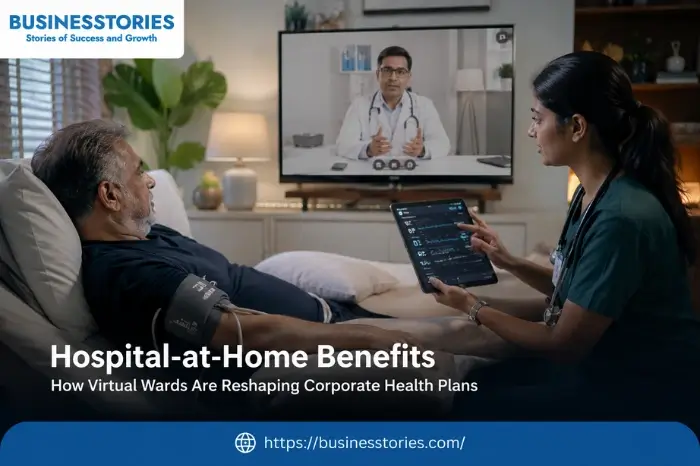
Hospital-at-home benefits are part of an employer health plan. They let employees get acute medical care at home instead of going to the hospital. Think of it as a hospital bed, but without the hospital building. Nurses and doctors check on patients using smart devices and video calls. So the care team can act fast if anything changes.
This model goes beyond basic telehealth. It covers serious conditions like pneumonia, heart failure, COPD flare-ups, and recovery after surgery. But the key point is simple. Employees get the same level of care without leaving home. So they stay safe and comfortable at the same time.
How Virtual Wards Make It Possible
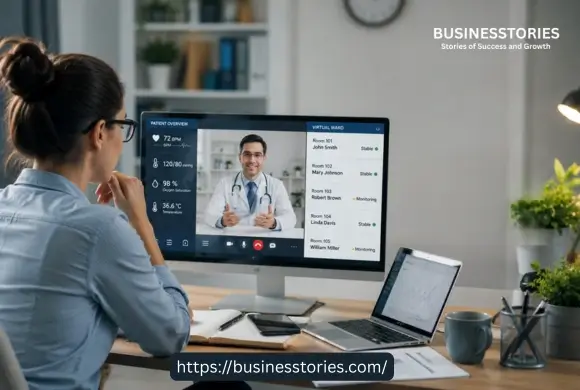
A virtual ward is the digital system behind hospital-at-home care. It uses remote health monitors, digital records, and a team of doctors and nurses to manage care from a distance. So it works just like a real hospital ward, but online instead of in a building.
In the UK, NHS England aimed to create 10,000 virtual beds before winter 2023, and it hit that goal. By March 2025, there were 20 virtual ward beds per 100,000 registered patients in England. In the US, over 320 hospitals across 37 states could offer acute home care by April 2024. So the growth has been fast and real.
When companies add virtual ward employee benefits to their health plans, they tap into this proven system. As a result, they get better care for their staff at a lower cost.
Hospital-at-Home Benefits: The Business Case for Employers
Cost Savings That Are Hard to Ignore
Health premiums have gone up 24% since 2019. And small-to-mid-sized companies face the steepest rises. Employers must find innovative methods to control costs. Hospital-at-home programs offer a strong and proven solution.
Studies in The New England Journal of Medicine and JAMA Internal Medicine show that home-based acute care is as safe or safer than hospital care for many conditions. But the cost benefits are just as clear:
- Johns Hopkins found savings of 19% to 30% per patient compared to a normal hospital stay.
- McKinsey & Company estimates that up to $265 billion in care could be moved from hospitals to homes, with no loss in quality.
- In the UK, one NHS study found an average saving of £1,958 per patient. North West London’s virtual hospital also saved over £3.4 million in just one year.
So for employers with self-funded plans, fewer hospital stays mean fewer big claims. That directly protects your health budget. And even for fully insured plans, insurers now factor home care use into their pricing.
Lower Readmissions, Fewer Claims
Readmissions cost everyone money. When an employee leaves the hospital too soon, they often come back within 30 days. But Mount Sinai’s home care program cut 30-day readmissions by 20%. So fewer readmissions lead to fewer claims. And for self-funded employers, that means real, direct savings.
How Virtual Ward Employee Benefits Improve Workforce Well-Being
Employees Recover Faster at Home
There is a clear human side to this model. Hospital stays are stressful. Patients sleep poorly, face infection risks, and feel cut off from family. But at home, the opposite happens. Patients sleep better, heal faster, and stay close to the people they love. So when your employee recovers faster, they also come back to work sooner.
NIHR research confirms that hospital-at-home services improve health outcomes and patient satisfaction. Moreover, most patients on virtual wards say they would recommend the experience to others. So the model is not just clinically sound, it is genuinely better for people.
Reduced Absenteeism and Improved Productivity
Absenteeism costs employers between $2,600 and $3,600 per employee each year. When workers receive care quickly, including acute care at home, they recover faster and miss less work. Chronic conditions make up 50% of GP visits and 70% of hospital beds. And virtual wards manage these conditions very well.
So when employees use hospital-at-home care, they spend less time away from their desks. In fact, studies indicate that people with good primary and acute care take 23% fewer sick days and are 6% more productive. Furthermore, employees who feel their employer cares about their health are more loyal and engaged. That matters a lot in a tight job market.
Mental Health Benefits of Home Recovery
There is also a mental health side to consider. Long hospital stays can cause worry and disrupt daily routines. They can even bring on a low mood, especially for older workers or those who care for family at home. But recovering at home, around familiar faces and places, helps mental well-being too. So for employers who care about whole-person health, this is a benefit that is easy to miss but hard to replace.
How to Add Hospital-at-Home Benefits to Your Corporate Health Plan
Step 1: Review Your Workforce Health Data
First, look at your claims data. Find your top cost drivers. Are heart failure, lung conditions, or post-surgery care among the biggest claims? These are the exact conditions that hospital-at-home care handles best. Your benefits broker or insurer can help you run this review quickly and clearly.
Step 2: Choose the Right Program Model
Next, pick your path. You have two main options. First, you can team up with a local health system that already runs a home-based acute care program. Second, you can work with a digital health company that brings virtual ward tools straight to your plan. Either way, look for these key features:
- 24/7 remote monitoring with a live clinical team on call.
- In-home nurse visits for hands-on check-ups when needed.
- Clear emergency steps so patients can reach help fast.
- Clean links to your current health plan for easy claims.
Step 3: Tell Your Employees About the Benefit
Then, ensure your team knows this benefit exists. Even the best benefit fails if no one uses it. So run a clear, simple internal campaign. Use plain language and real-life examples. For instance: “If your doctor says your pneumonia can be treated at home, here is what happens next.” Additionally, address any concerns regarding safety or technology access directly.
Step 4: Track Results and Improve
Finally, measure what matters. Track readmission rates, cost per care episode, staff feedback, and days of absence. Then use that data to make the program better over time. So you build both a healthier team and a stronger case for growing the benefit further.
Challenges and How to Overcome Them
Digital Access and Health Equity
One key issue is digital access. Virtual ward tech needs a reliable internet connection, basic tech skills, and a safe home setting. But not every employee has all of these. So employers should work with providers who bring devices and connectivity right to the home. That way, the benefit reaches all staff, not just those who are already tech-confident.
The NHS in England has tackled this well. One program in Bristol gave tablets with SIM cards to patients. It also shared health info in five local languages. So corporate programs can follow this same approach. As a result, equity does not have to be a barrier to access.
Reimbursement and Insurance Coverage
In the US, CMS funding for home-based acute care has shifted a few times. Congress extended the waiver program, but long-term rules are still not fully fixed. So some insurers remain cautious. As a result, you should work closely with your broker. Ensure your plan clearly covers hospital-at-home care or add a clause that directly includes it.
Caregiver Support
When an employee recovers at home, family members often step in to help. But that also adds real pressure to the caregiver. So employers who offer caregiver support alongside the hospital-at-home benefit create a much better experience for everyone. Moreover, a well-supported caregiver means a faster, smoother recovery for your employee overall.
The Future of Virtual Ward Employee Benefits in Corporate Health
The direction is clear. Hospital-at-home programs are growing fast. A Chilmark Research report projects the US market will double by 2026. In the UK, virtual wards are a core part of the government’s 10-Year NHS Plan. And globally, older workforces and more chronic illnesses make home-based care not just useful but truly necessary.
So for employers, this is not just a trend to watch from a distance. It is a real and present chance to act. Companies that add hospital-at-home benefits now will build stronger, healthier teams. They will also stand out when it comes to hiring and keeping the best talent.
Furthermore, as more people work from home or in flexible setups, this benefit fits in naturally. It meets employees where they already are, at home. And that is precisely what the modern workforce wants and values.
Conclusion
Hospital-at-home benefits are one of the biggest shifts in workplace health care today. They let employees get real, hospital-level care at home, safely and comfortably. So companies can cut costs, reduce sick days, speed up recovery, and boost team well-being all at once.
Virtual wards are no longer a new idea. The evidence is solid. The tools are ready. And the business case is strong. So employers who move now, by reviewing their claims data, finding the right partner, and communicating clearly with their teams, will be well ahead of the curve.
The question is not whether hospital-at-home benefits will reshape company health plans. They already are. The real question is simply whether your company will lead the way or catch up later.
Ready to take the next step? Talk to your benefits broker or health plan provider today. Ask about virtual ward options that fit your plan and your team. Your staff will get better care, and your bottom line will feel the difference, too.
Frequently Asked Questions
What conditions do hospital-at-home benefits cover?
Hospital-at-home plans usually cover pneumonia, heart failure, COPD, and post-surgery care. But coverage varies by provider, so always check your specific plan terms before enrolling employees.
Are virtual ward employee benefits safe for staff?
Yes, they are. Studies show home-based acute care is as safe, and often safer, than a hospital stay. Patients face a lower infection risk and report higher satisfaction with their care experience.
How do hospital-at-home benefits lower employer costs?
They reduce hospital admissions and cut costly readmissions. Research shows savings of 19%–50% per care episode. So employers with self-funded plans see direct savings on their overall claims.
Can small businesses offer virtual ward employee benefits?
Yes, they can. Many digital health providers offer flexible, scalable plans that suit businesses of all sizes. So start by talking to your broker about which options best fit your budget and team.
How do I know if my employees qualify for home acute care?
A clinical team checks eligibility, usually in an emergency department or after a GP visit. Employees must be stable and have a safe home. Providers guide this screening step fully and clearly.