
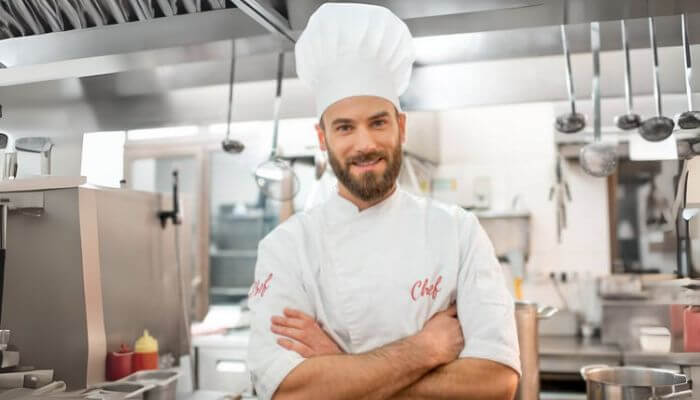
Ask ten people what makes a wonderful chef, and you will get ten answers. Some say talent. Others say training. But watch any top kitchen, and one thing becomes clear fast: a great chef is built, not born. Skill matters. So does the drive to keep learning long after the basics are set.
This guide breaks down five qualities that show up again and again in top chefs. We looked at how culinary schools, working chefs, and industry data describe the job. Then we pulled out the traits that matter most.
So whether you run a kitchen, cook for your own small business, or just want to know what makes a great chef stand out, these five traits give you a clear map. Let’s dig in.
Also Read: 10 Powerful Talbina Benefits You Need To Know For Optimal Wellness
The Five Qualities of a Great Chef
1. Mastery of Culinary Fundamentals and Technique
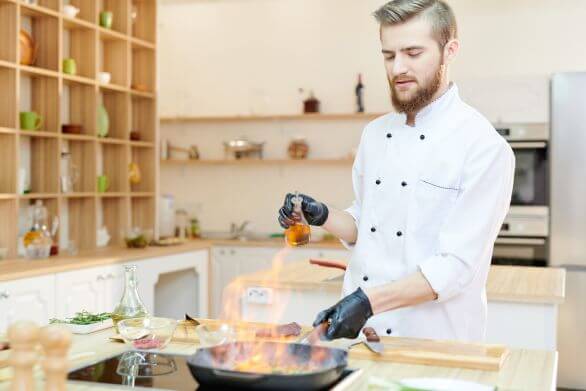
Every great chef starts in the same place: the basics. Long before a chef builds a fancy tasting menu, they must know how heat, salt, and time work together in a pan. Sautéing, braising, roasting, and grilling are not extra skills. They are the base layer that every other skill sits on.
This foundation is why culinary schools spend months on knife cuts and stocks before students touch a dessert menu. A chef who cannot dice an onion evenly will struggle later with cook time.
Likewise, a chef who does not know why a sauce breaks will repeat that same mistake for years. So technique is not busywork. It is the reason a dish tastes the same on a slow night and a packed one.
Modern kitchens add a layer of food science on top of this base.
Sous vide cooking and fermentation ask chefs to grasp why a method works, not just how to follow steps. As a result, chefs with this more profound knowledge can resolve problems fast. This is often the real gap between a line cook and a head chef.
Attention to detail is also part of this quality. A great chef tastes food often, not just at the end. They notice a vegetable that has gone soft by one minute too much. This habit may seem insignificant, but it accumulates quickly during a hectic shift.
Here is an angle most listicles skip: strong technique frees up mental space. A skilled chef has done each task so many times that it barely needs their focus. That free space is what lets them handle a busy Friday, a last-minute allergy request, and a broken oven all at once.
New cooks spend all their focus on basic steps. Veteran chefs spend that same focus on judgment calls instead.
Actionable step: pick five core techniques and master each one fully before you add new ones. In the early years, depth beats breadth.
2. Creativity and Culinary Innovation
Technique gives a chef the tools. Creativity is what turns those tools into dishes that people will remember. A great chef does not just repeat old recipes. Instead, they reinterpret them. They ask how a classic dish might taste with a local, in-season item, or how a familiar flavor could look different on the plate.
This creative spark shows up in menu design, plating, and flavor pairing. Many top chefs discuss the need to respect tradition while still pushing it forward. The key is to maintain that balance.
New ideas without a solid base often feel like a gimmick. Old ideas with no twist often feel flat. The best chefs sit right in the middle. Visual creativity is now more important than ever. Diners now snap a photo before they take a bite.
So color, height, and space on the plate all shape that first impression. A great chef treats each plate like a small canvas, not just a way to serve food. Creativity also means solving real problems, such as new diets or supply gaps.
Plant-based cooking and allergen-safe menus both call for creative fixes, not just simple swaps. A chef demonstrates true creative skill by reworking a signature dish around one dietary need while keeping its soul intact.
Here’s a fresh angle worth noting: the most inventive chefs treat limits as a design tool, not a setback. A short growing season or a tight budget often sparks a more original menu than an open budget ever could. In short, limits can fuel creativity rather than block it.
Actionable step: pick one classic dish and rebuild it using only what is in season near you right now. This one exercise builds creative muscle faster than any cookbook.
3. Passion, Palate, and Steady Dedication
Cooking for a living is hard on the body. Long shifts, hot rooms, and high-speed service are the norm, not the exception. Without genuine passion, that pace quickly exhausts a person. That is why most working chefs, when asked what makes a great chef, name dedication first.
Passion shows up as a sharp palate. Great chefs taste with real focus. They can sense when a sauce needs a touch more acid, often before a guest would ever notice. This sense can be trained, but it takes years of focused tasting and dedication to develop.
Dedication also means showing up for the dull parts of the job, like inventory checks and early-morning prep. According to the U.S. Bureau of Labor Statistics, chefs and head cooks earned a median yearly wage of about $60,990 in 2024.
Years of low-paid learning precede reaching that pay level. In short, the reward tends to come after the grind, rather than before it. This quality also covers emotional grit. Kitchens run on tight clocks, and mistakes often happen in front of the whole team.
A great chef takes in feedback from guests and coworkers without losing focus. They separate a bad review from their own worth, learn what they can from it, and then let the rest go.
Here’s one more angle: passion that lasts is rarely about loving every single moment. Instead, it is about being pulled back to the kitchen even after a rough shift. That pull, more than any one skill, tends to predict a long career in this field.
Actionable step: keep a short taste log for one month. Note the salt, acid, and sweetness in every dish you cook. This habit will sharpen your palate faster than instinct alone.
4. Leadership and Team Management
A professional kitchen runs as a team, not a solo act. Even a very talented cook will fail as a head chef if they cannot lead a team. This trait receives less credit than it should, since it has little to do with cooking itself.
Yet it often decides whether a kitchen runs smoothly or falls apart during a rush. Great chefs speak clearly and stay calm, even under heat. They provide clear direction instead of causing panic.
They also train new staff with patience, since a kitchen’s future quality rests on how well junior cooks learn today. A chef who hoards their know-how usually ends up training their own future problems.
Leadership also means owning your mistakes. When a dish comes back wrong, a strong leader takes the blame in public and resolves the issue with the team in private. This builds trust, and faith is what holds a team together through long weeks. As a result, kitchens with fair, steady leaders tend to keep staff longer.
Here’s a point that many listicles blur: leadership and authority are not the same thing. A head chef holds authority by title alone. Leadership is earned by being fair and helping in a crisis, not just by giving orders. Kitchens with a title-only boss often see high staff turnover, even when the food itself is great.
Actionable step: run a five-minute team huddle before each shift. Verbalizing the day’s key tasks reduces errors and enhances team focus before service begins.
5. Adaptability, Resilience, and Business Sense
Cooking well is only part of the job. Running a kitchen also means tracking costs, planning for demand, and shifting fast when a supplier falls through. A great chef at the top level thinks like a small-business owner as much as an artist.
Business sense shows up in food-cost control, menu pricing, and cutting waste. A chef who ignores these numbers might cook amazing food while quietly losing money on every plate.
Since restaurant margins are tight, this skill often distinguishes chefs who last a decade from those who burn out within a few years. Adaptability is the twin skill here. The U.S. Bureau of Labor Statistics projects steady, faster-than-average job growth for chefs and head cooks over the next decade.
Much of that growth comes from demand for fresh, restaurant-quality meals in new places, like grocery delis and catering firms. So chefs must adjust often to new dining trends, delivery-first menus, and shifting guest tastes, instead of sticking to one fixed style.
Resilience ties both traits together. Supply gaps, staff shortages, and sudden rushes are a normal Tuesday in most kitchens. A great chef solves the urgent problem first, then looks at the root cause later, rather than freezing under stress.
Over time, this steady, calm problem-solving becomes their reputation, often more than any single dish they have ever made.
Here’s an angle worth naming: the chefs who survive big market shifts, like the rise of delivery apps, are rarely the most gifted cooks in the room. Instead, they are the most willing to shift their business model fast while still guarding food quality. In this trade, adaptability often beats raw talent.
Actionable step: review your top five ingredient costs each month. Adjust your portions or your supplier before a shortage forces a rushed choice.
Conclusion: Becoming a Great Chef Takes All Five Qualities Together
So, what makes a great chef? It is never just one trait acting alone.
- Technical skill gives a chef steady results.
- Creativity gives their food a clear identity.
- Passion keeps them showing up for long, hard shifts.
- Leadership turns raw talent into a team that works as one.
- Finally, adaptability and business sense keep the whole kitchen alive long enough for all that talent to matter.
These five qualities build on each other, step by step. A brilliant cook with no leadership skills will struggle to run a kitchen well. Likewise, a creative mind with no business sense will struggle to keep a restaurant open for long.
That’s why the world’s most respected chefs tend to be well-rounded, rather than one-note specialists. If you are working toward a career in the kitchen, do not chase one skill alone. Instead, build strong technique first.
Then layer on creativity, dedication, leadership, and adaptability, one step at a time. And if you already run a kitchen, use these five traits as a quick gut-check the next time you make a hiring or training call.
Great cooking gets a dish onto the plate. These five qualities, though, are what keep a chef and their whole kitchen thriving for years after that. So pick one trait to focus on this month, practice it daily, and build from there.
Frequently Asked Questions
1. What is the single most important quality of a great chef?
No single trait wins on its own, but strong technique comes first. Solid skills enable creativity and leadership to produce steady output.
2. Can creativity be taught, or is it a natural chef trait?
Yes, creativity can be trained through steady practice, like reworking classic dishes with new items. Instinct helps, but daily practice builds it more reliably.
3. How important is business sense for a great chef today?
It is crucial. Rising food costs and thin margins mean chefs without pricing and budget skills often struggle to keep small restaurants profitable long-term.
4. Do great chefs need formal culinary school training?
Not always. Many great chefs learned through hands-on apprenticeships, though formal programs often speed up skill-building and industry networking quite a bit.
5. How does leadership affect kitchen performance and staff retention?
Strong leadership cuts down on staff turnover and mistakes during service. Chefs who mentor calmly build trust, which keeps kitchen teams steady during busy, stressful weeks.

Tabassum Shaik is an Author, Researcher, and SEO Specialist with over 8 years of experience creating informative content on business, startups, entrepreneurship, marketing, technology, and digital trends. She specializes in researching industry trends and transforming complex topics into practical, easy-to-understand insights. Her goal is to help readers stay informed, learn new ideas, and make better business decisions.