
In the vibrant heart of Ouagadougou, where street food culture thrives, one woman’s passion for traditional Burkinabè cuisine has sparked a movement. Mam Sank, a self-taught cook with deep cultural roots, transformed her small roadside food stand into a thriving digital brand.
It celebrates heritage, empowers women, and reconnects a generation with the flavours of home. This journey illustrates how she transformed humble dishes into a powerful symbol of identity. Yet, it showcases the successful business she created. It thrives on community support and innovative technology. She developed an online platform that allows customers to order traditional meals and participate in cooking classes.
Mam Sank From a Small Kiosk in Ouagadougou to a Culinary Brand
Activity fills the lively streets of Ouagadougou, located in the heart of West Africa. A modest food stand is starting to change our perceptions of and appreciation for traditional Burkinabè cuisine. The woman driving this transformation is Mariam Sankara. She is widely recognised by her culinary brand name, Mam Sank.
With a vision deeply grounded in cultural heritage and a strategy focused on digital innovation, Mam Sank transformed a humble street food venture into a well-respected one. It’s a widely recognised food brand that resonates well beyond the borders of Burkina Faso.
This narrative highlights the convergence of tradition and technology. It emphasises a small startup with ambitious goals. Mam Sank’s journey is not just a food story. It is a cultural movement. An entrepreneurial case study can be considered a light at the end of the tunnel for African women in business.
Must Read: The Top 7 Trends in Food Technology You Need to Know
Preserving Culture Through Cuisine
For Mariam Sankara, food is more than sustenance. It is identity, memory, and community. As she often recounts, her earliest memories revolve around the smells and sounds of kitchens. Her grandmother prepared meals using local ingredients and ancestral techniques in those kitchens.
She saw how modern food options became more accessible. As globalized fast food chains began to penetrate urban centers, the essence of Burkinabè cuisine started to fade from public consciousness. The dishes that once represented family traditions and national pride were becoming rare. Especially among younger generations.
Rather than accept this loss, Mariam acted. She started cooking familiar dishes like babenda (a leafy vegetable stew with fermented beans and dried fish). And also prepared koumvado (fried sweet plantain balls) and riz gras (oily rice with meat and vegetables).
She began with a tiny street kiosk in a busy market district in Ouagadougou. Cooking and serving food made from the heart, flavored with love, memory, and authenticity.
Going Digital: Food Meets the Internet
What distinguishes Mam Sank from numerous local food vendors in Burkina Faso is her adoption of digital technology. Early on, she understood that the internet could be more than just entertainment. It could be a platform for storytelling, branding, and building a community.
She started by taking photos of her dishes and sharing them on Facebook and Instagram. It was not just photos of food she posted, but mini-stories about how she was making each dish. She shared the ingredients she was using, her memories, and the cultural backgrounds behind each dish.
People started to notice. Her pages attracted Burkinabè youth in urban centers. The African diaspora living abroad and food lovers who are curious about West African cuisine began to take notice.
Soon, people were not just liking her posts. They were placing orders. In response, she launched an online order service that enables customers to order meals through WhatsApp or Facebook Messenger. During the COVID-19 pandemic, when restaurants and markets faced closures, this move proved visionary.
Mam Sank switched her business to takeaway and delivery. She served pre-ordered traditional meals, which she delivered straight to customers’ doorsteps.
Through consistent engagement, she built a loyal following. Many of her followers became vocal ambassadors for her brand. Her digital presence allowed her to cross borders without leaving Ouagadougou.
Female Empowerment at the Core
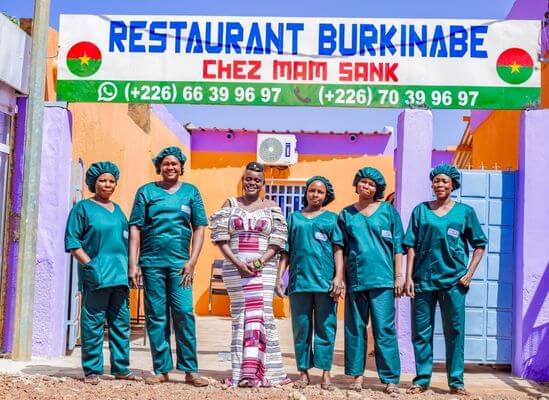
Mariam’s mission extends beyond food. Empowering women is one of the central pillars of Mam Sank. As the business grew, she began hiring and training local women to assist in various kitchen roles. They focus on order processing, logistics management, and online customer engagement.
She collaborates with women’s cooperatives for sourcing raw ingredients such as fresh vegetables, cassava, maize flour, and spices. By integrating these women into her supply chain, Mam Sank provides them with a steady income and economic independence.
Training is an essential part of her model. Her team members receive training not only in cooking and food safety. But they also receive education in digital literacy, customer service, and small business management. Many of her former employees have gone on to start their own small ventures in food and agriculture.
“Feeding people is good, but helping women feed their families? That is real success,” says Mariam Sankara.
Mam Sank’s approach provides a practical and empowering path forward in a society where women still face limited economic opportunities.
Awards and Recognition
Mam Sank’s rise has not gone unnoticed. She has received a Generations of Women Legend Award for Food Culture and Women’s Empowerment. Most notably, she was honored with the Africa Mousso Prize, which celebrates women-led innovation in Africa.
She has been invited to speak at entrepreneurial forums, food fairs, and women’s leadership events across the region. She is also a mentor in local youth entrepreneurship programs, sharing her journey.
It’s encouraging others to pursue their passions while staying grounded in their culture, which she emphasizes by sharing her experiences and the importance of cultural identity in entrepreneurship.
Business Model: A Sustainable Approach to Culinary Branding
Mam Sank runs a hybrid food business model:
- Physical Outlet: Her kitchen in Ouagadougou continues to serve walk-in customers. Especially those in the neighborhood.
- Digital Orders: Most orders now come through social media platforms and WhatsApp, with deliveries handled by local courier services.
- Pre-ordered Meals: Online promotion highlights weekly meal packages featuring dishes such as millet porridge, babenda, and yam sauce.
- Catering Services: For weddings, events, and corporate functions, Mam Sank offers traditional meal catering with full service.
- Content & Community: Her storytelling-driven brand has created opportunities for content partnerships and influencer marketing in the culinary space. It allows her to reach a wider audience and engage with food enthusiasts through various platforms, such as social media, blogs, and culinary events. Thereby enhancing her brand visibility and fostering community engagement.
Challenges on the Path
Building a brand like Mam Sank has not been without obstacles. Mariam cites the following as key challenges:
- Limited access to financing: Like many women entrepreneurs in West Africa, she had to rely on personal savings and small loans.
- Digital infrastructure gaps: Internet costs and connectivity issues can hamper consistent online engagement.
- Cultural skepticism: Early on, some questioned whether traditional food could become a “brand” worthy of media attention.
- Scaling logistics: As her business grew, ensuring timely deliveries and consistent quality became a challenge.
Despite these hurdles, she continues to evolve, adapt, and learn, and her audience grows with her.
Impact Beyond Profit
The ripple effects of Mam Sank’s venture go beyond sales and followers:
- Cultural Preservation: By showcasing recipes and techniques online, she helps younger generations reconnect with their culinary roots.
- Local Economy Boost: Her partnerships with cooperatives and service providers circulate income locally.
- Women’s Empowerment: From sourcing to service, she prioritizes female workers and entrepreneurs.
- Food Education: Her posts and videos offer nutritional tips and information about indigenous ingredients.
What Can Aspiring Entrepreneurs Learn from Mam Sank?
Mam Sank’s journey offers several key lessons for entrepreneurs across Africa and beyond:
- Start with what you know: Mariam used family recipes and traditions as the foundation for her brand.
- Embrace digital tools: Social media and messaging apps became her storefront and marketing department.
- Solve real, local problems: Her business addresses hunger, unemployment, and cultural erosion.
- Scale with values: Growth did not mean abandoning her mission—it meant deepening it.
- Empower others: She turned a personal venture into a platform for community advancement.
Looking Ahead
Mam Sank plans to expand her services in the coming year, with ambitions to:
- Launch a YouTube cooking series on Burkinabè recipes.
- Partner with local chefs to host culinary workshops for youth.
- Collaborate with food tech startups to improve her delivery model.
- Explore export-ready meal kits for the African diaspora.
With continued support and visibility, Mam Sank is poised to become not just a Burkinabè brand, but a continental culinary force.
Connect with Mam Sank
- Instagram: @mam_sank
- Facebook: Mam Sank Cuisine Authentique
- Email: mam.sank@foodculture.bf
- Location: Ouagadougou, Burkina Faso
Read Also: Zach Yadegari: Teen Who Built a $30M AI Fitness App
Final Thoughts
Mam Sank proves that you do not need a five-star kitchen or a venture capital check to start a successful business. With cultural pride, digital savvy, and a commitment to community, she transformed street food into a storytelling brand that resonates deeply with thousands.
In a global economy that often overlooks local genius, her journey reminds us that sometimes the most powerful innovations come from preserving what is oldest, most nourishing, and most beloved: our food, our culture, and our stories.

Tabassum Shaik is an Author, Researcher, and SEO Specialist with over 8 years of experience creating informative content on business, startups, entrepreneurship, marketing, technology, and digital trends. She specializes in researching industry trends and transforming complex topics into practical, easy-to-understand insights. Her goal is to help readers stay informed, learn new ideas, and make better business decisions.