The Midnight Hunger That Started a Revolution
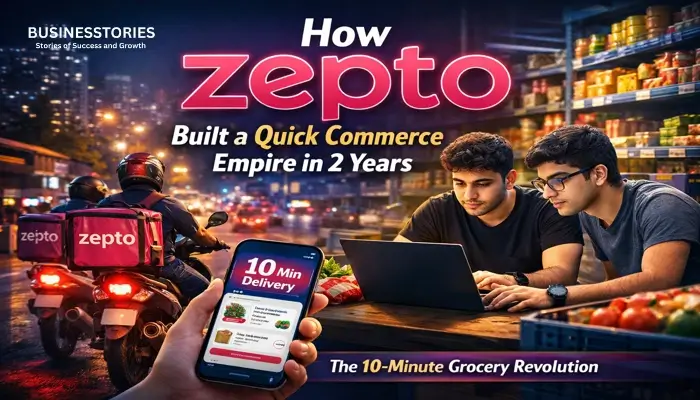
Picture this. You run out of milk at 9 p.m. Ten minutes later, it is at your door. That is not a dream. It is daily life for millions of shoppers in India. Zepto made it normal.
In under two years, this young startup grew into a unicorn. Then it kept growing from there. How did two college dropouts achieve such a remarkable feat? They did it in a tough, crowded market.
This listicle breaks down their strategy. It also shares the numbers behind their rise. And it pulls out lessons any founder can use. Let’s dive in.
Zepto’s Origin Story: From Stanford Dropouts to Quick Commerce Founders
Every outstanding startup starts with a problem. For Aadit Palicha and Kaivalya Vohra, the problem was slow grocery delivery. Both were Stanford students. Both left school during the pandemic to test a new idea.
Their first try was called KiranaKart. It linked local kirana stores with online shoppers. It promised delivery in 45 minutes. That was fast for its time. But the model had limits. Small stores had shaky stock. They also could not always guarantee speed. So the founders made a bold move.
In 2021, they completely overhauled the business. They named it Zepto. Instead of using other stores, they built their own small warehouses. This single choice changed everything. Because Zepto now controlled its own stock, it could promise something new: groceries in ten minutes.
This story is relevant for a simple reason. It shows a pattern seen in many fast-growing startups. Often, the first idea undergoes improvement. Winners are the founders who test, learn, and pivot fast. Palicha and Vohra did just that, and they did it before turning twenty.
The brand story
Their age even became part of the brand story. At first, investors were unsure about two teen founders running a heavy logistics business. But that doubt faded fast once the numbers came in. Within months, Zepto reached Mumbai, Bengaluru, and Delhi.
Sales grew nearly 300 percent year over year in the early days. Annual revenue soon passed $600 million. As a result, the same investors who once doubted them started chasing the next funding round.
Here is a key insight often missed. Zepto did not invent instant delivery. Instead, it was launched at the right time. The pandemic had already accustomed Indian shoppers to ordering necessities online.
Great founders usually need more than a good idea to win. They win by matching a good idea to the right moment. Zepto’s timing was close to perfect.
The Problem Zepto Solved: Why 10-Minute Delivery Changed Everything
Before Zepto, online grocery orders needed planning. Shoppers picked a delivery slot hours ahead. For urgent needs, people still ran to the corner store. Meanwhile, other online stores had already cut delivery times for clothes and gadgets. Groceries, oddly, stayed slow.
Zepto’s founders spotted this gap. They asked a simple question. Why should urgent items take longer than a short video to arrive? Their answer shaped the whole company. They built every system around one single promise, and they refused to break it.
To make a ten-minute delivery real, Zepto had to rethink its whole setup. Normal warehouses sit far from homes. So delivery from them takes longer. Zepto instead built small storage points close to where people live.
This approach is often called the dark store model. This model is the backbone of the entire business, which we will discuss next. Buyer habits also changed. Once shoppers experienced true ten-minute delivery, they wanted it everywhere.
Grocery shopping stopped feeling like a chore. It became a quick, on-demand habit instead. As a result, order frequency rose fast. Customers began placing small orders through the week, not one big weekly trip. This shift also proved something bigger about hyperlocal delivery.
This term means serving people from very nearby spots, not big central hubs. Zepto showed that hyperlocal logistics could work at a national scale. It did so in a huge, price-sensitive market like India. Many experts had doubted such a feat was possible.
There is also a less obvious lesson to be learned here. Teams at fast, quick-commerce firms often obsess over minutes and seconds. Every small delay adds up across thousands of daily orders. So that obsession with speed, more than any single piece of tech, is what separates leaders from copycats.
The Dark Store Model: Zepto’s Engine for Speed and Scale
If ten-minute delivery is the promise, dark stores are the engine. A dark store is a small warehouse built only for online orders. It has no walk-in shoppers. Zepto places these stores in busy neighborhoods, so no delivery has to travel far.
Each dark store usually covers just a couple of kilometers. So riders can reach most homes within minutes. They do not have to fight city-wide traffic. Zepto also uses local data to decide what each store should stock.
A store near a college might stock more snacks. A store in a family area might stock more staples and baby items. This is not a guess. It comes from fresh data about local buying habits.
Real-Time Data and Route Planning
Behind every fast order is code that most shoppers never see. Zepto’s systems track live demand. They also pre-stock popular items and plan the shortest route in real time. As a result, riders waste less time hunting for products or picking a slow path.
Scaling the Network
Zepto opened with just a few dark stores in 2021. Within a few years, that number passed five hundred. The company kept pushing toward even more stores as demand grew.
By mid-2024, about three-quarters of its dark stores were fully profitable on their own. This was a big milestone. It demonstrated that the model could generate profits, rather than merely functioning effectively on a daily basis.
Here is a fresh insight worth noting. Zepto sharply cut the time a new store needs to turn a profit. Early stores sometimes took close to two years to break even. Newer stores often reach that point within months.
This came from smarter forecasting, better store placement, and a deeper read on local demand. In short, Zepto did not just build stores faster. It got better at running each one, and that is the harder skill to master.
From Startup to Unicorn: Zepto’s Funding and Growth Journey
Speed alone cannot build an empire. It also takes cash, and lots of it. Zepto’s funding story shows how quickly investor trust can grow once a model proves itself.
Early Rounds and the Road to Unicorn Status
Zepto’s first funding came in small, careful rounds during 2021. This gave it a value near $250 million. As results improved, its value jumped to roughly $900 million in 2022. Then, in August 2023, a new round pushed its valuation past $1 billion.
This made Zepto a unicorn in about two years. Few Indian startups have climbed this fast.
Mega Rounds and a Multi-Billion Valuation
Growth sped up even more after unicorn status. In mid-2024, Zepto raised hundreds of millions of dollars. This round valued the company at $3.6 billion, more than double its worth from a year before.
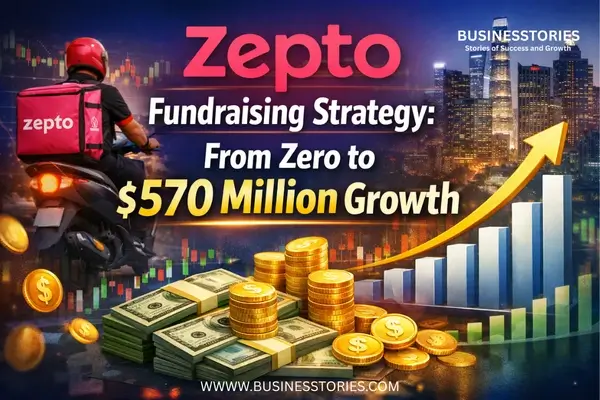
Just months later, another round pushed the value to $5 billion. Backers included global venture firms. They also included well-known Indian names from business and movies. By 2025, later rounds pushed Zepto’s value toward $7 billion. Total funding raised over its life passed $2.5 billion.
This funding path teaches a clear lesson about startup fundraising. Investors usually consider more than one great quarter. Instead, they bet on a repeat pattern of better numbers.
So each new round grew larger because each new set of numbers, from order volume to store profit, built more trust than the last. That growing trust, not hype alone, turned a young delivery startup into a firm worth billions and headed toward a public listing.
Beyond Groceries: Zepto Café, Bloom, and Smarter Revenue
A business built only on groceries will hit a ceiling. Order values and profit margins can only grow so much. Zepto’s team saw the limitations early, so they pushed the platform past basic staples.
Zepto Café shows this strategy well. It offers ready meals, coffee, and snacks from small kitchens inside existing dark stores. This move put Zepto up against food delivery apps directly. But it also raised order value and pushed people to order more often through the day.
Zepto Bloom went after a different prize: beauty and personal care items. This category often earns more per sale. It also keeps buyers coming back. That makes it a smart pick for a company chasing both growth and profit.
Zepto also sold medicine and general goods. Sales in these newer categories climbed into hundreds of crores each month. A more surprising move came through Zepto Atom. This is a paid analytics tool built for brand partners. Zepto also grew its ad business alongside it.
In plain terms, brands now pay Zepto to run ads on the app. They also pay to see data on how their products sell. This mirrors the playbook that helped giants like Amazon build high-margin income that does not rely on shipping one more box.
Here is the real insight. Smart growth is not about chasing every shiny idea. It is about stretching an existing strength further. Zepto already had dark stores, riders, and buyer trust.
Every new category, from café food to beauty items to ads, reused that same base instead of building something brand new. This focused way to grow income kept costs in control. Several income streams grew side by side.
Competing in a Crowded Market: Zepto vs. Blinkit and Swiggy Instamart
No empire grows without rivals. Zepto’s biggest test has always been competition. Blinkit, backed by Zomato, usually leads the Indian quick commerce market in terms of market share. Swiggy Instamart holds a strong third spot. BigBasket, plus newer players like Amazon and Flipkart, keep pressure on everyone.
Even so, Zepto carved out a solid second-place spot. At times, it held close to thirty percent of the market. Here’s what makes this achievement so notable. Zepto did this as the only major player backed purely by financial investors.
It had no big parent e-commerce or food app to lean on. In other words, it built its own brand and operations from scratch. This pressure pushed Zepto toward constant improvement instead of comfort. Costs per dark store dropped over time.
Profit at each store rose over time. Daily order volume moved from the hundreds of thousands to well over a million. Each gain mattered a lot. In a market with four or five rivals chasing the same buyer, small efficiency wins decide who survives a funding slowdown.
This rivalry also teaches a less obvious lesson. It is about market share versus market creation. Zepto and its rivals did more than fight over buyers. Together, they grew the whole category.
Quick commerce moved from a small experiment to a market worth billions, growing more than twenty-five percent a year. So competing hard and growing the pie are not opposites. Zepto’s story proves both can happen at once.
Key Lessons Entrepreneurs Can Take from Zepto’s Rise
Zepto’s journey offers real, usable lessons. These apply to any founder building in a tough, capital-heavy space.
- Solve one problem fully before you expand. Zepto nailed ten-minute grocery delivery first. Only then did it add café food, beauty items, and ads.
- Own your core setup. Moving from local kirana partners to owned dark stores gave Zepto full control over speed and quality.
- Let data guide each choice. Store spots, stock levels, and delivery routes all rely on fresh local data, not guesswork.
- Treat unit economics as a moving target. Zepto kept cutting the time it took for each new store to become profitable. So efficiency is a skill you build over time, not a one-time win.
- Grow around your strengths. Every new category used the same dark store and rider network already built. Do not chase ideas that need a whole new engine.
Conclusion
Zepto’s rise shows that speed, focus, and steady work can beat even well-funded rivals. In under two years, two young founders turned a simple frustration into a business worth billions. How did they do it? They built their own dark store network.
They let data guide every choice. And they only added new categories once the core model was solid. Zepto did not just enter the quick commerce market. It helped shape what that market looks like today, and its rise pushed every rival to move faster too.
So what is the real lesson for founders? Do not copy ten-minute delivery. Instead, find your own version of a painful delay. Then build the setup to fix it better than anyone else. If you build startups or simply love studying rapid growth, keep an eye on Zepto’s next chapter.
It is moving toward public markets. It also keeps growing. Both moves will likely teach us more. Follow Businesstories for more in-depth dives into the startups reshaping how the world buys, sells, and gets things delivered.
Frequently Asked Questions
1. When was Zepto founded, and by whom was it started?
Zepto was founded in 2021 by Aadit Palicha and Kaivalya Vohra. Both were Stanford dropouts who first built a grocery service called KiranaKart.
2. How does Zepto manage to deliver groceries in ten minutes?
Zepto uses small neighborhood dark stores. These are stocked using live demand data, plus smart route planning, so riders reach nearby homes fast.
3. How long did it take Zepto to become a unicorn startup?
Zepto became a unicorn, meaning it was valued at over one billion dollars, in August 2023. That was about two years after its 2021 relaunch.
4. What is a dark store, and why does Zepto rely on one?
A dark store is a mini warehouse built only for online orders. Zepto uses many dark stores to cut delivery distance and time.
5. Who are Zepto’s main rivals in quick commerce today?
Zepto mainly competes with Blinkit, Swiggy, Instamart, and BigBasket. Newer pushes from Amazon and Flipkart add even more pressure.

Tabassum Shaik is an Author, Researcher, and SEO Specialist with over 8 years of experience creating informative content on business, startups, entrepreneurship, marketing, technology, and digital trends. She specializes in researching industry trends and transforming complex topics into practical, easy-to-understand insights. Her goal is to help readers stay informed, learn new ideas, and make better business decisions.