
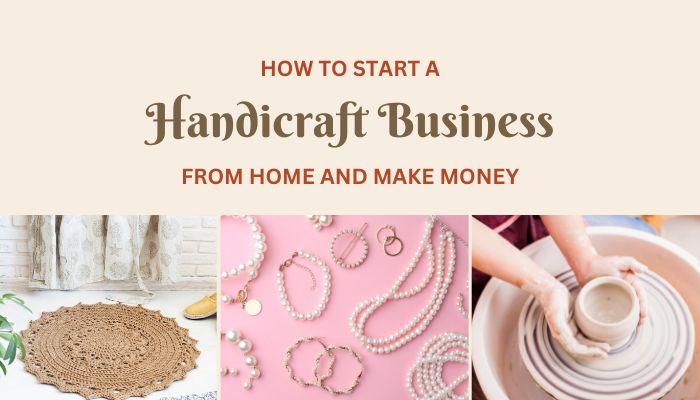
A handicraft business is a wonderful method to bring passion to market. Whether you are into making jewelry, tailoring your clothing, or crafting sustainable household décor, we have seen the need for customized goods increase over the past couple of years. This type of business is affordable and convenient, allowing home workers to work from home, making it a fantastic option for crafters who want to express their creativity and build a successful business.
In this article, we will be talking about how to make money from a handicraft business, how to start a business, ways to maximize your profit, and much more.
Most Profitable Handicraft Business Ideas from Home
You can start many types of handicraft businesses from home, each with its own appeal and profit potential. Here are some of the most successful ideas:

1. Customized Jewelry
Customized jewelry has a massive market, especially for occasions such as weddings, anniversaries, and birthdays. You can create your special item based on customers’ preferences using materials like beads, gemstones, or metal. Engravings on custom pieces and originality add to the appeal of your products to customers.
2. Handmade Clothing and Accessories
Handmade clothes and accessories, including scarves, hats, and handbags, are widely available in terms of originality and craftsmanship. There are many materials that you can incorporate, such as cotton, wool, or used fabrics, to create sustainable and fashionable products.
3. Home Décor Items
Handicraft home decoration, be it wall hangings, wall art, statues, or pottery made by hand, is a popular and lucrative niche. It is very popular. People are constantly looking for artwork to add character and decorate the home. You can specialize in either modern or classic patterns based on the interests of your audience.
4. Pottery and Ceramics
Pottery and ceramics have endless applications, from useful kitchen items to fine art sculptures. If you have the skills and tools, pottery is a fantastic craft business opportunity that lets you make beautiful and durable standout items.
5. Personalized Gifts (e.g., Greeting Cards, Keepsakes)
People love to share and receive personalized items that have sentimental value. Items such as customized greeting cards, keepsakes, or personalized photo frames will make your business super-profitable during the festive seasons.
6. Eco-Friendly Crafts (e.g., Recycled Materials)
Environmentally friendly consumers are investing in eco-friendly and sustainable brands. If you enjoy combining recycled products like paper, plastic, or fabrics, eco-friendly crafts can find a loyal audience.
7. Handmade Soaps and Candles
Handmade soaps and candles are in demand, especially those made from natural, organic ingredients. With some creativity and uniqueness in packaging and scents, you can create a long-term customer base for these homemade items.
8. Knitting and Crochet Products
Knitting and crocheting work great for knitting and crocheting sweaters, blankets, baby gifts, etc. Such handmade items are loved for the love and craftsmanship, which is why they make a great addition to your business portfolio.
Also Read: Grocery Store Business Plan: How to Start a Grocery Shop Business?
How to Start a Handicraft Business

Starting a home handicrafts business is not always an easy job to do. But with the right approach, you can make a successful operation. Here is a step-by-step guide to get started:
Step 1: Research the Market and Identify Your Niche
Before jumping in, you need to know what the market needs and priorities. Research trends in the handicraft market, such as style, materials, and customers’ tastes. Now that you have figured out what to focus on, find a niche that suits both your interests and the market. Customized jewelry, environmentally friendly goods, or home décor—discover your niche.
Step 2: Source Quality Materials and Tools
Your handicraft objects will vary in quality based on the materials you use. Find suppliers for your raw materials that are trustworthy. These suppliers can provide goods that meet your expectations. You also need tools and equipment for your craft, as they will improve product quality and increase efficiency.
Step 3: Set Up Your Home Workspace
Working in a specific workspace is important for productivity. Make sure your workspace is clean and comfortable, with room for supplies and crafts. A combination of excellent lighting and ergonomic chairs will make crafting an enjoyable experience.
Step 4: Register Your Handicraft Business
Depending on your location, you will also have to get your company registered. For example, you may need to obtain a business license or tax registration. Having the right legal structure helps safeguard your business in the long term.
Step 5: Create a Brand Identity
All businesses must have branding and create a brand identity. Find your brand name, logo, and mission statement that are the voice of your handicraft business. You will be established in the market with consistent branding on your website, social media platforms, and packaging.
Step 6: Price Your Handicrafts for Profit
Making a profit is essential when setting the right price. Consider the cost of the material, time, and any additional overhead expenses. Make sure your rates are competitive but also offer you an excellent profit margin. Find out how much it costs to make similar products in your niche so you can make a compromise.
Step 7: Build an Online Presence
You want to thrive in the digital age, and your business needs to have an online presence. Set up accounts for Etsy, Instagram, Facebook, etc. to display your products. Another way to reach customers is with a website or blog, where clients can view your items and purchase them by placing orders directly.
Proven Strategies to Make Your Handicraft Business Profitable
Once you have started your handicraft business, the next step is to scale it and maximize profitability. Here are some strategies to help you do so:
Leverage Social Media Marketing
For potential clients, platforms like Instagram, Pinterest, and Facebook offer excellent opportunities. Provide professional images of your products and behind-the-scenes videos, and interact with your audience. Influencer relationships and giveaways can further boost your presence as well.
Participate in Online Marketplaces
You should own a website, but online marketplaces such as Etsy, Amazon Handmade, and eBay help you to access a broader customer base. These platforms already have a large audience for handmade products, making them ideal for expanding your buyer pool.
Build Strong Customer Relationships
Provide exceptional customer service. It is possible to convert a one-time customer into a loyal customer. Be proactive, take inquiries seriously, and add personal touches such as thank-you notes on orders. Custom products or personalized options can help your audience to feel more connected to you.
Expand Your Product Line Based on Demand
With increasing business, keep track of trends, fashions, and customer feedback to expand your product line. You can reach a wider target group and get more sales with a different offering.
Offer Customization and Personalization
Personalized products have exploded in popularity. Whether you are engraving names on jewelry or designing décor for a wedding, providing customization is a way to differentiate yourself from your competitors and justify the extra cost.
Maximize Your Reach with a Handicraft Business Plan
A well-thought-out business plan can significantly boost your handicraft business’s success. Here is why and how to create one:
Why a Business Plan Is Crucial for Your Success
Business plans provide you with a clear roadmap for growth. It describes your objectives, target audience, advertising strategy, and budget so that you never miss the mark. A business plan is also required if you are looking for investors or need to raise money for scaling your company.
Also Read: How to Think Outside the Box with Your Marketing Ideas
Elements of a Handicraft Business Plan
A robust business plan includes:
- Market Research: Identify your target audience, competitors, and trends.
- Business Goals: Short-term and long-term objectives for your growth.
- Marketing Strategy: How you will promote your products, both online and offline.
- Budgeting: A detailed breakdown of costs, pricing, and profit margins.
- Financial Projections: Expected revenue, expenses, and cash flow over time.
How to Use Your Business Plan to Attract Investors
Investors need to believe that your company has growth potential. A business plan should cover every detail of your business. It will show people that you thought everything through and can easily help you secure partnerships, funding, or even mentorship to scale your business.
Conclusion
Starting a home-based handicraft business provides limitless possibilities to integrate creativity with business ownership. You can make your business a success by using the proper techniques, market studies, branding, and relationship-building. It takes time and commitment, but the satisfaction of creating and selling your handcrafted products makes it worth it. So, take the first step, start crafting, and turn your passion into a thriving business.
FAQs on Handicraft Business
What are the best platforms to sell handicrafts online?
Popular platforms include Etsy, Amazon Handmade, eBay, and social media platforms like Instagram and Facebook Marketplace.
How much money can I make with a home-based handicraft business?
Earnings can vary, but many home-based businesses make anywhere between $500 and $10,000 per month, depending on product pricing, demand, and marketing efforts.
What are the legal requirements to start a handicraft business from home?
You may need to register your business, apply for a business license, and adhere to local zoning laws, depending on your location.
How can I stand out in a competitive handicraft market?
Focus on offering unique, high-quality products, providing excellent customer service, and leveraging social media marketing to build your brand.
How do I promote my handicraft business online?
Use social media marketing, collaborate with influencers, and participate in online marketplaces. Building an engaging website or blog can also help promote your business.

Tabassum Shaik is an Author, Researcher, and SEO Specialist with over 8 years of experience creating informative content on business, startups, entrepreneurship, marketing, technology, and digital trends. She specializes in researching industry trends and transforming complex topics into practical, easy-to-understand insights. Her goal is to help readers stay informed, learn new ideas, and make better business decisions.