
Introduction
Starting a laundromat business can be a smart move if you want a service people use every week. In fact, laundry is a basic need, so demand stays steady in many neighborhoods. However, success does not come from machines alone. You need the right location, the right mix of equipment, and a simple plan for costs and daily operations.
This listicle walks you through the main steps in a clear way. First, you will learn what a laundromat business really needs. Next, you will see common startup costs, equipment choices, and practical tips that can help you avoid expensive mistakes.
Many competing articles cover only the basics. This guide takes an additional step. It includes a customer-flow perspective that many owners miss: the best laundromats are not only clean and modern but also simple to use, fast to visit, and pleasant to wait in. That mix can improve repeat visits and word of mouth.
1. Understand the Laundromat Business Model
Why laundromats still work
A laundromat business works because it solves a daily problem. People without home washers, apartment residents, students, and busy families all need wash-and-fold help or self-service machines. Therefore, the model can stay stable even when other small businesses struggle. Furthermore, laundromats often depend on repeat customers, which helps them build reliable revenue over time.
Another reason this model works is its flexibility. You can start small with a self-service shop, or you can add wash-and-fold services, pickup and delivery, or detergent vending later. As a result, you can grow in stages instead of spending too much on day one.
Still, the business is not passive. You must manage utilities, repairs, cleaning, and customer service. So, your goal is to create a place that feels safe, efficient, and worth the trip. A clean store with working machines can beat a larger store that feels outdated.
1. Choose the right laundromat type
Before you spend money, decide what kind of laundromat you want. A coin-operated store is simple and familiar. Meanwhile, a card- or app-based model can reduce cash handling and provide better data on machine use. If you want higher margins, add wash-and-fold or commercial laundry accounts.
Unique insight: Many first-time owners focus on machine count. However, the real lever is the layout. A smart layout reduces crowding, shortens wait times, and makes the store feel busier in a positive way. That can improve the customer experience without adding more square feet.
2. Estimate Laundromat Startup Costs
Main costs to plan for
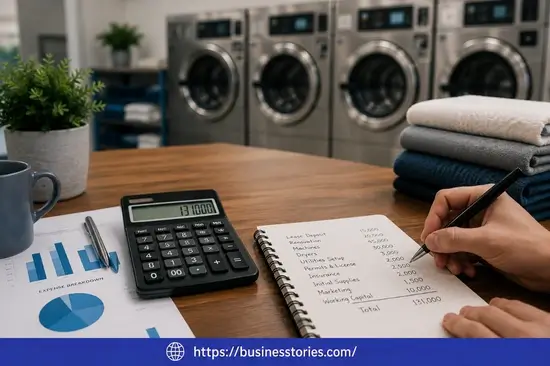
Startup costs vary widely, but most laundromat businesses require a significant upfront investment. Your biggest expenses usually include the lease deposit, build-out, plumbing, electrical work, machines, signage, and permits. Often, the equipment alone can take a major share of your budget. As a result, it helps to build a detailed plan before you sign anything.
A common range for a small-to-mid-size laundromat can start in the low six figures and rise fast depending on location and condition of the space. For example, a store in a shell building may need major utility upgrades. In contrast, an existing laundry space can help reduce build-out costs. So, always compare turnkey space versus raw space.
Typical cost items include:
- Lease deposit and first rent
- Washing machines and dryers
- Plumbing and water heaters
- Electrical upgrades
- POS or payment systems
- Folding tables, carts, and seating
- Security cameras and lighting
- Licenses, insurance, and legal fees
- Marketing and opening promotions
Build a realistic budget
To stay safe, create two budgets: one for opening and one for the first 6 to 12 months. That second budget matters because early revenue may start slow. Furthermore, cash flow can dip when repairs or utility bills rise.
A breakdown of startup costs for a laundromat uses it to group expenses into fixed costs, variable costs, and unexpected costs. For example, a surprise cost could be a sewer line issue or a dryer vent repair. These issues often show up after you buy or lease a location.
You can also lower risk by asking vendors for price quotes before you commit. Then, compare new and used machines. Used units may save money, but newer equipment can cut repair costs and use less water and energy. Therefore, the cheapest option is not always the best one.
Unique insight: Many owners underestimate utility setup. However, the site’s success can hinge on its water, gas, and electric capacity. Before signing a lease, confirm that the property can support your planned machine count. That one step can save thousands.
3. Choose the Right Equipment
Core machines you need
The heart of any laundromat business is the equipment. You need commercial washers and dryers that can handle heavy use, quick cycles, and frequent cleaning. Most owners choose a mix of machine sizes so customers can wash small loads and bulky items like comforters.
A smart starting setup often includes small, medium, and large-capacity washers. Then, pair them with enough dryers to keep wait times short. In many stores, dryers become the bottleneck, so do not underbuy them. Furthermore, make sure the machines match your target market. For example, a neighborhood with families may need more large-capacity units.
Other useful equipment includes detergent dispensers, change machines if needed, laundry carts, folding tables, seating, trash bins, and cameras. Meanwhile, modern payment systems can reduce theft and improve reporting. If you want a stronger long-term setup, consider card readers or mobile payment options.
New vs. used equipment
This is one of the biggest decisions in the business. New machines cost more, but they often come with warranties and lower repair risk. Used machines cost less upfront, but they may fail sooner and require more service. So, ask yourself how much risk you can handle.
A practical approach is to mix both. You might buy new dryers, since they often run constantly, and use refurbished washers with strong warranties and service histories. In contrast, buying ancient units can hurt your brand if customers face frequent downtime.
Furthermore, ask local technicians which brands they repair most often. Their advice can be more useful than a sales brochure.
Unique insight: Energy efficiency is not just an eco choice. It is a profit choice. Lower water and gas use can improve margins month after month, especially in areas with high utility rates.
4. Find the Best Location
What makes a location profitable
Location can determine whether your laundromat business thrives or struggles. The best sites usually sit near apartments, student housing, dense neighborhoods, or areas with many renters. Furthermore, the store should be easy to reach, easy to see, and easy to park at.
Foot traffic matters, but convenience matters even more. People often choose the laundromat that saves time, not the one that is closest on a map. So, look for a site near grocery stores, bus stops, or busy neighborhood streets. That way, customers can combine errands and laundry in one trip.
You should also study the competition. If there are already several clean, modern laundromats nearby, you need a stronger reason for customers to switch. However, if the area is underserved, your opportunity may be better. In both cases, talk to residents and nearby landlords to learn what people want.
Check zoning, utilities, and safety
A good location is not only about demand. It also needs the right utilities and local approvals. Before you sign a lease, confirm zoning rules, parking needs, waste handling rules, and water and power capacity. Otherwise, you could face delays or extra costs later.
Safety matters too. Good lighting, visible windows, and secure entry points help customers feel comfortable. In addition, cleaner-looking streets and nearby businesses can increase trust. If you want a more modern edge, consider a location that supports a late-hour model with cameras and remote monitoring.
Unique insight: The best locations often have “boring” strength. They are not flashy. Instead, they are practical, easy to park at, and built for repeat use. That is precisely what laundromat customers want.
5. Plan Operations, Pricing, and Marketing
Set your pricing and services
Pricing should cover your costs and still feel fair to customers. Start by looking at nearby competitors. Then, match local demand, machine size, and service level. For example, you may charge more for large washers, speed cycles, or premium wash-and-fold service.
Do not copy competitors blindly. Instead, build a simple pricing structure that is easy to understand. Customers like clear signs and predictable rates. Furthermore, consider bundle pricing for wash-and-fold jobs or loyalty discounts for repeat users. That can help raise average order value.
Market with local trust, not just ads
Laundromat marketing works best when it is local and useful. Start with Google Business Profile, local search pages, and clear signs outside your store. Then, add promotions like first-visit discounts, free detergent days, or referral offers.
Social media can help, but local trust helps more. Ask nearby apartment managers, colleges, and community groups to share your opening. Furthermore, keep your store spotless, because cleanliness is your best marketing tool. A clean store builds trust faster than a long ad campaign.
Operationally, train staff to greet customers, solve problems fast, and keep machines clean. If you plan to run unattended hours, use cameras, alarms, and remote alerts. That lowers risk and protects your reputation.
Unique insight: The best laundromat marketing is often the customer experience itself. When people finish laundry faster, feel safe, and see clean floors, they tell others. That word of mouth can beat paid ads.
6. Avoid Common Mistakes and Grow Smart
Mistakes that cost new owners money
Many new laundromat owners make avoidable mistakes. They buy too many machines at once, ignore utility costs, or choose a location with weak demand. Some also forget to budget for repairs, which can strain cash flow quickly. Therefore, planning matters as much as buying equipment.
Another common mistake is poor customer flow. If people crowd the folding area or wait too long for dryers, they may not return. So, observe how people move through the store. Small fixes like wider aisles, better lighting, and clear signs can improve the experience right away.
Grow with simple upgrades
Once your laundromat business is running well, you can grow in stages. Add wash-and-fold service, pickup and delivery, or commercial laundry accounts for offices and salons. You can also upgrade to smarter payment systems or add vending machines for extra revenue.
Growth should feel controlled, not rushed. First, stabilize the store. Then, add one new service at a time and measure the result. This approach protects cash flow and helps you learn what customers actually value.
Unique insight: A laundromat does not need to be the biggest store on the block to win. Instead, it can win by being the easiest, cleanest, and most reliable store in the area.
Conclusion
Starting a laundromat business takes planning, but the path can be obvious when you break it into steps. First, understand the business model and the kind of customers you want to serve. Then, map your startup costs, choose equipment with care, and pick a location that supports steady traffic and strong utilities. Thereafter, set fair pricing, market locally, and build a store experience that feels clean, safe, and simple.
The best laundromats do more than wash clothes. They save time, reduce stress, and become a trusted part of the neighborhood. That is why details matter so much. A smart layout, reliable machines, and a helpful customer experience can separate you from competitors. Furthermore, a strong cash flow plan will help you handle repairs, slow months, and future upgrades.
If you are serious about launching a laundromat, take the next step today. Research your local market, visit competing stores, and build a budget before you sign a lease. The more prepared you are, the more likely your laundromat business will grow into a stable, long-term asset.
FAQs About How to Start a Laundromat Business
1. How much does it cost to start a laundromat business?
Startup costs vary by location, lease, and equipment quality. A laundromat startup cost breakdown usually includes build-out, machines, utilities, permits, and working capital for the first months of operation.
2. What equipment do I need for a laundromat business?
You need commercial washers, dryers, payment systems, folding tables, carts, seating, and security tools. The best commercial laundry equipment for small businesses depends on space, demand, and energy use.
3. How do I choose the best laundromat location?
Focus on renter-heavy areas, strong visibility, parking, and utility access. A how-to-choose-a-laundromat-location plan should also check zoning, safety, and nearby competition before you lease.
4. Is wash-and-fold service worth adding early?
Yes, if local demand is strong. A laundromat pricing strategy for beginners can include wash-and-fold service to raise revenue, improve margins, and attract busy customers who value convenience.
5. What mistakes should new laundromat owners avoid?
Avoid weak locations, poor budgeting, and too much equipment too soon. Furthermore, watch utility costs and layout design. Learning common laundromat business mistakes to avoid can save time and money.

Tabassum Shaik is an Author, Researcher, and SEO Specialist with over 8 years of experience creating informative content on business, startups, entrepreneurship, marketing, technology, and digital trends. She specializes in researching industry trends and transforming complex topics into practical, easy-to-understand insights. Her goal is to help readers stay informed, learn new ideas, and make better business decisions.