
Running a restaurant is hard work. Food costs keep going up. Staff is difficult to find, and diners have more choices than ever, from delivery apps to the restaurant next door. So it makes sense that most owners want to know one thing. How to increase restaurant sales without burning out their team or their budget.
Here is the good news, though. You do not need a full rebrand or a famous chef. Instead, making small, intelligent adjustments to your menu, marketing, and guest experience can quickly yield significant results. This guide covers nine practical tips for increasing restaurant sales, each simple to start this week. So let’s dive in.
Also Read: How To Do Social Media Marketing For Restaurants?
9 Tips on How to Increase Restaurant Sales

1. Redesign Your Menu to Guide Customer Choices
Your menu is not just a list of dishes. In fact, it is one of your best sales tools, yet most owners do not use it well. A menu design is often the fastest way to results. It requires no extra cost.
First, start with menu engineering.
Here, you look at two things for each dish: how popular it is and how much profit it earns. Dishes that score high on both are your stars. So place them where eyes land first, often the top right corner or the center of the page.
Meanwhile, some dishes earn substantial profit but get skipped by guests, so give these a small boost too. For example, a bold headline or a “chef’s favorite” tag can pull attention their way, at no extra cost.
Next, look closely at your dish descriptions.
Cornell University found that sensory-rich menu text can lift a dish’s sales by up to 27 percent. So skip grilled chicken. Instead, try herb-marinated chicken, flame-grilled with garlic butter. Words like “local” and “house-made” also increase the value guests perceive, which makes them feel more positive about spending more.
Price wording matters too.
For instance, try removing dollar signs from your prices. Spread prices around the page instead of lining them up in a column. This shifts focus back to the food, not the cost. Combo meals help here as well, since one McKinsey report found that meal bundles can lift order size by 15% or more.
Finally, trim your menu.
A long list slows guests down, and it can lead to smaller, safer orders. Furthermore, cutting slow sellers speeds up your kitchen and cuts food waste, which helps your margins on both ends.
Here’s a fresh idea worth trying: rotate a small “spotlight dish” each month. This creates buzz, gives regulars a reason to come back sooner, and provides your social team something new to post.
2. Train Your Staff to Upsell and Cross-Sell With Confidence
A great menu still needs a human voice behind it. Indeed, your front-of-house team is one of your best tools for boosting sales, yet training is often the piece owners skip.
Upselling means offering an upgrade, like a bigger portion, while cross-selling means offering an add-on, such as a side or dessert. Done well, this simple habit can lift sales by up to 30 percent, and guests rarely mind, since a thoughtful suggestion often improves their meal.
The key, however, is sounding natural, not pushy. For example, “Our sticky toffee pudding pairs really well with that” works better than “Would you like dessert?” The first invites a yes, while the second is easy to turn down. So, practice these lines at pre-shift meetings until they feel natural.
Your point-of-sale system can help too. Many systems automatically flag your top items and suggest matching options at checkout, eliminating the need for your team to guess.
Small rewards help as well. For instance, some restaurants give a small bonus for extra sales a server brings in.
Here’s a fresh angle: link upsell training to a quick story. Instead of just naming an add-on, have servers explain why it exists right now, since guests respond better to a short story than a flat pitch.
3. Strengthen Your Local SEO and Google Business Profile
Before a guest calls or walks in, they often search online first. In fact, about one in three people find and book a restaurant through Google. So, local search matters a lot if you want to grow restaurant sales.
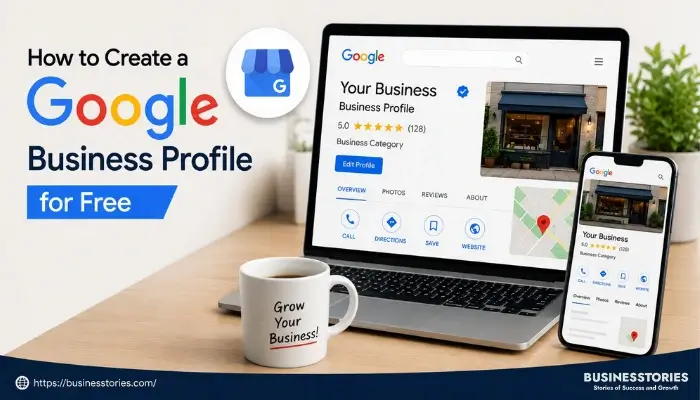
First, start with your Google Business Profile. It is free, and it is also often a guest’s first look at you. So, keep your hours, address, and menu link correct, and add fresh photos often, since new, sharp photos tend to earn more clicks than old, blurry ones.
Next, add local words to your website text, such as “best brunch spot in downtown Austin,” since about 75 percent of searchers never scroll past page one, so even small rank gains can boost your sales over time.
Online reviews matter just as much. So, ask happy guests to leave a review right after a great visit, because a steady flow of fresh, kind reviews signals quality to search engines and future diners alike. Also, reply to every review, good or bad, since a kind reply to a complaint often builds more trust than a wall of five-star ratings alone.
Here’s a tip few others share: build local links through your community. A mention from a school fundraiser page or a local food blog can lift your rank more than another plain directory listing.
4. Offer Easy Online Ordering, Delivery, and Takeout
Off-site dining is no longer just a bonus; it is a core source of sales now and one of the clearest ways to grow sales without adding seats. In fact, one DoorDash report found that 70 percent of U.S. diners ordered delivery in the past month alone.
Still, not every dish on your dine-in menu belongs on your delivery menu. So, pick dishes that travel well, and focus on your best sellers, since delivery adds packaging costs, and thin margins can vanish fast on tricky dishes.
Furthermore, make ordering easy. Add bold “Order Now” buttons on your website and social pages, since fewer clicks mean a hungry guest is more likely to finish the order. You can build your own system or team up with a delivery app instead; many restaurants use a mix of both.
Please keep pickup in mind as well. A few marked parking spots, plus a quick text alert when the order is ready, make life easier for guests who want to skip delivery fees.
Here’s an idea a few will share: build a small “pickup-only” bundle, priced just below your dine-in combo. This protects your dine-in value while giving pickup guests a reason to order more.
5. Build a Loyalty Program That Rewards Real Visits
Winning a guest once is only half the job. So, a simple loyalty program is one of the best tools for growing restaurant sales, since it turns now-and-then visitors into steady regulars, who cost far less to serve than new guests you must always chase.
A well-known Harvard study found something striking: lifting repeat visits by just 5 per cent can raise profits by 25 to 125 per cent.
Keep your program simple, though. A points system, a punch card, or a rewards app can all work well, as long as the rules are simple and rewards feel truly within reach; otherwise, complex plans often just get ignored.
Small, warm touches matter too. For example, reward birthdays with a small free item, since this nudges families and groups to plan a visit around that date. Furthermore, send more personal offers as your data grows, like a “we miss you” discount to a guest who has not come by in six weeks.
Here’s a less common idea: offer early access instead of just discounts. Some restaurants have earned huge extra revenue by giving loyal guests first access to tastings or new dishes, since early access can feel more special than a coupon, and it costs nothing but timing.
6. Grow Your Social Media and Influencer Presence
Your social page now works like a second front door. Often, it is the very first place a guest looks before ever walking in, so it is key to any plan that aims to grow sales today.
Video content does well right now. Short clips on Reels and TikTok, like quick kitchen prep shots, build appetite fast, since platforms often give these clips wider reach than plain photos.
Guest photos are also a simple way to gain an advantage. When guests tag your restaurant, sharing those photos builds trust and costs nothing to make.
Working with local creators can help too. Often, these posts feel more real than plain ads, since fans already trust that voice, so one excellent post can bring your restaurant to a whole new crowd.
Here’s a tip worth trying: pick steady over shiny. A stream of simple, honest posts, three or four times a week, tends to beat rare, fancy content, since both apps and people favor a steady presence over occasional polish.
7. Use Email and Text Marketing to Drive Repeat Visits
Ads can be expensive, and their results can be uncertain. Email and text messages, though, stay cheap and steady tools for growing sales. In fact, about 88 percent of people check email each day.
Text messages bring strong results too, since some tools show that text plans can bring back 24 times what you spend, largely because texts get opened far more than most other channels.
Making your messages feel personal helps a lot, as well. Smart emails based on a guest’s past orders can bring 12 times more sales per email than one plain message sent to all, so split your list by visit time, top dish, or birth month instead.
Furthermore, use these tools for more than just discounts. Share invites to tastings, cooking nights, or a sneak peek of a new dish, since one group earned huge extra sales over time simply by giving loyal guests early access to events through email, rather than cutting prices.
Here’s a tip worth testing: send a short “we changed something” email when you tweak a recipe, since being open builds interest, and interest often drives more visits than another discount code.
8. Host Events and Add Private Dining or Catering
Hosting events is a truly underused way to grow restaurant sales. It fills empty tables in your slow hours, since offices and event planners often place bigger orders than a walk-in table.
So, try opening your dining room, or part of it, for private bookings. Movable dividers or plants can build a “semi-private” feel fast, with no work needed, and a small perk, like a free toast for big group bookings, makes picking you the easy choice.
Local events matter too. Themed nights and local deals bring your restaurant to new guests, and these moments often get shared on social pages, spreading your reach well past the event itself. In fact, more than half of catering guests say they like local, small restaurants over big chains, so being active in your area can help put you on their list.
Even so, do not track these bookings on loose notes, since a set event tool grabs new leads on its own.
Here’s a fresh idea: sell a “recipe night” instead of just a meal. A guided class, where guests learn how a top dish comes together, often earns more than a plain dinner, plus it makes content guests love to share.
Also Read: Top 10 Free Accounting Software for Small Business Owners
9. Deliver Great Service and Act on Feedback
At the core of what guests want sit three things: good food, good service, and fair value. However, no sales trick can fully fix a guest who leaves upset. That is why great service is the base of any real plan to grow sales.
The numbers make the point clear. About 91 percent of upset guests never come back after a disappointing visit, and worse, they often tell nine to fifteen other people. So, a warm greeting at the door, plus a server who checks an order before it reaches the table, can stop most of these moments before they start.
Additionally, consider creating a straightforward plan for addressing complaints. Equip staff with a small, fixed amount for immediate problem resolution without manager approval, as quick and considerate responses matter more to guests than the gift’s value.
Nonetheless, feedback should extend beyond the table. Instead, gather it through short surveys, comment cards, or a quick text follow-up, since guests who feel heard and who see real change from their words are far more likely to return and tell friends.
Here’s a tip worth adding: treat your regulars like an advice team, not just repeat cash. Ask a few loyal guests what they would change once in a while. It costs nothing. Yet it often shows gaps that formal surveys miss, since regulars spot small shifts long before new guests do.
Conclusion
Learning how to increase restaurant sales does not need a giant budget or a full overhaul. Instead, it comes down to small, steady wins across your menu, team, marketing, and guest experience. A better menu nudges guests toward higher-profit dishes, while bold upselling and strong local SEO bring in more orders.
Meanwhile, loyalty plans, social media, email, and events turn guests into regulars who return again and again. Underneath it all, excellent service protects every dollar you earn elsewhere.
You do not need to try all nine tips at once, though. Instead, start with the one or two that fit your biggest gap right now, whether that is a messy menu or a quiet social page. Then, track your results, and adjust as you learn what your guests like. So, growth in this trade rarely comes from one big move; instead, it comes from small, steady steps, taken again and again.
Frequently Asked Questions
1. What is the fastest way to increase restaurant sales this month?
Menu redesign often shows quick wins. So, highlight high-profit dishes, rewrite the dish text, and train staff to upsell, as you won’t need any new gear or hires.
2. Does a loyalty program really help increase restaurant sales?
Yes. In fact, a Harvard study found that lifting repeat visits by just 5 per cent can raise profits by 25 to 125 per cent through steady, low-cost repeat trade.
3. How much can upselling increase restaurant sales realistically?
Well-trained staff using warm, natural lines can lift sales by up to 30 percent, especially when paired with POS prompts for top add-ons.
4. Is online ordering worth the cost for small restaurants?
Yes, it is. Since about 70 percent of diners order delivery each month, even a simple order system can unlock new sales with no extra seats.
5. How important is local SEO for increasing restaurant sales?
Critical. About one in three diners now find restaurants through Google, so a strong Google Business Profile helps you catch that local demand.

Tabassum Shaik is an Author, Researcher, and SEO Specialist with over 8 years of experience creating informative content on business, startups, entrepreneurship, marketing, technology, and digital trends. She specializes in researching industry trends and transforming complex topics into practical, easy-to-understand insights. Her goal is to help readers stay informed, learn new ideas, and make better business decisions.