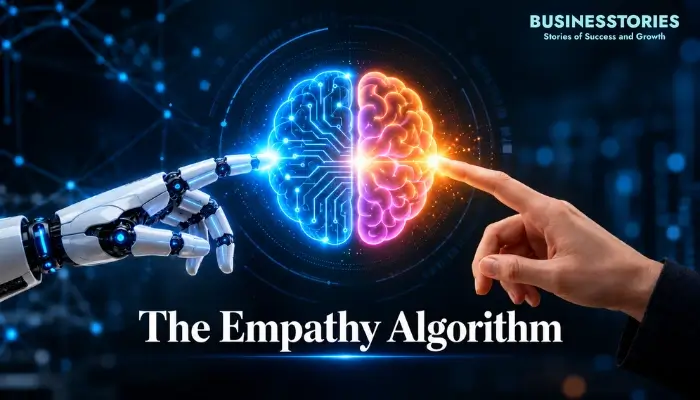
Most brands race to build smarter AI tools these days. Yet, they often miss one big truth about people. Customers do not just want immediate answers from a bot. They want to feel heard on a deep level. They want to feel understood as humans. This is exactly where the empathy algorithm comes in.
So, what is an empathy algorithm exactly? It is not code that you write in Python or Java. No, it represents an entirely different way of thinking. It is a framework for your brand. It blends emotional smarts into every single customer touchpoint. Think of it as your brand’s emotional IQ score. More than that, it helps you connect with people on a real human level.
Here is a key fact to keep in mind. A study by PwC found that 82 percent of customers want more human time from brands. Not less human time. Not more bots. So, while AI chatbots grow smarter by the day, people still crave warmth. They want empathy above all else. For this very reason, the empathy algorithm matters more than any AI tool your brand will ever buy or build.
In this article, we will break down what the empathy algorithm really means. We will show you why emotional IQ wins over raw automation every time. Plus, you will learn how to build it right into your brand. You’ll receive concrete examples and straightforward instructions to get started today. Let’s dive in and investigate this significant concept together.
What Is the Empathy Algorithm Really About?
In simple terms, the empathy algorithm represents your brand’s ability to perceive people’s emotions. Next, it responds with real care and concern. It does not rely on cold logic or data alone. Instead, it blends smart data with genuine human warmth. In addition, it turns every single customer chat into a moment of real connection.
You might think the approach sounds soft or fluffy at first. But wait. The compelling numbers reveal a starkly contrasting narrative. Deloitte research found that customer-centric brands are 60 percent more profitable. On top of that, emotionally connected customers show a 306 percent higher lifetime value. So, empathy is not just a valuable idea. It is a real business edge that drives growth.
The empathy algorithm also works across many channels at once. It guides your emails and your social posts. It shapes your support calls and your chatbot scripts. Even your return policies can carry real emotional IQ. In other words, every single part of your brand can learn to speak with true empathy.
How It Differs From Regular AI Systems
Regular AI predicts what you might click on next. Conversely, the empathy algorithm anticipates your future emotional state. AI, for instance, might recommend a product based on your previous purchases. But the empathy algorithm spots that you had a bad time with the brand. Therefore, it sends a genuine and warm apology. The algorithm provides a personalized response rather than a generic coupon code.
As a result, these two systems serve very different goals. AI works hard to boost speed and accuracy for tasks. Meanwhile, the empathy algorithm builds trust and human connection. And in today’s crowded market, trust always wins over speed alone.
Think of it like a car engine. AI is the engine of your car. It makes things go fast and smooth. But the empathy algorithm is the driver that knows when to slow down. It knows when a passenger feels scared or unsure. Both matter for the full journey ahead.
Why Emotional IQ Outperforms AI Alone
AI tools grow more powerful with each passing day. Yet, they all share one clear limit. They cannot truly feel emotions. For this vital reason, the empathy algorithm steps in to fill the gap. It adds what machines simply lack. Namely, genuine emotional smarts and human care.
Picture this common scene in your mind.
A customer calls about a late package delivery. An AI bot gives a dry reply. It says, “Your package is delayed. New ETA: Thursday.”
That works. But it feels cold and flat as a board. Now, an empathy-driven team adds just one line. They say, “We know waiting is difficult and we are truly sorry.” That tiny shift builds real bridges between people.
PwC found that 73 percent of buyers say experience matters more than price. Moreover, 65 percent say a positive experience sways them more than big ad budgets. These numbers unequivocally demonstrate one significant truth. People buy based on how you make them feel inside.
At the same time, consider the last brand you truly loved. Why did you stick with them for so long? Was it their low price tags? Or was it how they treated you like a real friend? Most people pick the second answer without a pause. This is the core power of emotional IQ in action.
The Trust Gap That Too Much Automation Creates
Here is a big problem that few brands see coming. Too much automation creates a trust gap with buyers. People chat with bots all day and start to feel like numbers. Not real humans with feelings. As a result, they slowly lose their faith in your brand. The empathy algorithm fixes this gap. It builds a bridge between cold code and warm human care.
Another point is worth noting here. Trust gaps do not form overnight. They grow slowly over many small moments. Each robotic reply chips away a tiny bit of warmth. After enough time, the damage is serious. But the fix is simple. Add real empathy at key points. That alone can quickly reverse the situation.
In short, AI handles tasks really well. But emotional IQ handles profound relationships. And strong ties drive long-term loyalty over many years. Furthermore, loyal fans tell their friends about you with joy. That is free word-of-mouth that no AI tool can ever create.
How to Build Your Brand’s Empathy Algorithm Step by Step
Building the empathy algorithm does not need a huge budget or tech team. But it does take clear intention and focus. You simply need a solid plan. Below, we break down the key steps you can follow.
Step 1: Map Out Every Customer Touchpoint
First, list every place where your brand meets a customer. This list should cover your website and emails. It should also include your support calls and social media pages. Even your order receipts count as touchpoints. Then, for each one, ask a simple question. “How does the customer feel right at this moment?” After that clear check, design a warmer and gentler response.
A “thank you” email, for example, can serve a purpose beyond simply confirming an order. It can share genuine excitement about the product they just picked. It can use warm words and a friendly tone. These small tweaks take just minutes, but they have a lasting impact on people.
Step 2: Train Both Your Team and Your Tech Tools
Your human team needs soft skills training for sure. Teach them to listen first and solve second in every call. At the same time, update your chatbots and auto-replies. Add simple phrases like “we understand you” and “we are right here for you.” These small words shift the whole tone of a chat. Moreover, they send a clear signal. A real caring human stands behind this brand.
Here is a tip that many brands skip. Record real customer calls and review them each week. Look for moments where empathy was missing. Then, coach your team on how to handle those spots better next time. This practice alone can significantly enhance your emotional IQ.
Step 3: Build an Emotional Feedback Loop
Do not just track old-school satisfaction scores alone. Instead, start tracking real emotional signals from buyers. After each chat, ask customers how they felt. Give them a simple scale to pick from. For example: frustrated, neutral, or truly delighted. As a result, you will spot clear patterns over time. Then, you can fix the touchpoints that hurt people the most.
Additionally, examine your repeat purchase data from a new perspective. A customer who buys again and again feels something positive. Find out what that feeling is. Then, try to copy that magic across all your other channels as well.
Step 4: Let Real Customer Stories Guide Your Choices
Data points in charts are useful for quick checks. However, genuine stories have a lasting impact on people’s memories. Therefore, collect true customer tales from your front lines. Share them out loud in team meetings each week. Use them to shape new policy changes and rules. After all, one heartfelt story can shift a whole team’s mindset faster than any spreadsheet ever could.
Zendesk reports that 81 percent of buyers say a positive service moment makes them buy again. So, every single touchpoint matters. Therefore, each one deserves your careful emotional thought. Do not rush past these small opportunities to connect.
Real-World Examples of the Empathy Algorithm in Action
Let us now look at brands that already use the empathy algorithm in clever ways. Some do this work purely by instinct and gut feel. Others do it by careful design and planning. In both cases, they show us how emotional IQ looks when it works in the really messy world.
Zappos: Turning Returns Into Lasting Relationships
Zappos is renowned for its long 365-day return policy. But the policy length is not the real magic here. It is how they handle every return. Their reps talk to customers like old friends. They ask how the shoes felt on your feet. They would share real concern if the fit were wrong. As a result, a return becomes a loyalty builder. Not a lost sale.
This approach costs them some money in the short run. Yet, it earns them loyal fans who return for years. Their customer lifetime value numbers prove this bet pays off. Empathy is not always cheap. But it is almost always worth the price.
Cleveland Clinic: Teaching Empathy at a Massive Scale
Healthcare is a space full of high stress and fear. So, Cleveland Clinic trained over 43,000 staff members in empathy skills. They call their method “talking with H.E.A.R.T.” It stands for Hear, Empathize, Apologize, Respond, and Thank. After this big push, patient joy scores rose fast and stayed high. Moreover, this win proves empathy can scale. This success is evident even within large teams consisting of thousands of people.
The lesson here is clear and bright. If a huge hospital system can do the same, your brand can too. Empathy is not just for tiny shops with five workers. It works at any size when you commit to the path.
The Small Local Coffee Shop Lesson
Even tiny brands can win big with simple empathy. Think of your local cafe down the street. The barista recalls your name and your usual drink order. That tiny act of care builds deep roots of loyalty quickly. Now, take that same idea and scale it across all your digital channels. That is the empathy algorithm at work. It does not need a fat budget or fancy tools. It just needs steady attention and care.
Here is a bonus insight for you. Small brands often beat big brands on empathy. Why? This advantage is because they maintain a closer connection with their customers. Big brands add layers of process that block warmth. So, if you run a small brand, lean into this edge. It is your hidden power that rivals cannot easily copy.
The Future of Brand-Customer Bonds in an AI World
Looking ahead down the road, the empathy algorithm will define the brands that last for decades. Meanwhile, those who ignore this shift will slowly fade away. Why is that? This trend is due to the increasing intensity of market competition each month. Products start to look the same. Prices match each other closely. However, the way you make people feel remains unique.
For example, think about Spotify for a brief moment. Their yearly Wrapped feature does not just show dry stats. It tells your whole emotional story through the songs you loved. It makes you feel truly considered a unique individual. In the same way, Airbnb builds trust through reviews that sound personal. Not robotic or fake.
In the years that lie ahead, AI will handle all the routine work. It will process returns and track orders. It will answer simple FAQs without breaking a sweat. Meanwhile, humans will zoom in on emotional moments that matter. The brands that blend both worlds well will rise to the top. Brands that choose to align with only one side will not succeed.
Younger buyers demand empathy more than any group before them. Gen Z folks and Millennials want brands to truly care about their values. They can sniff out fake concern in just seconds. So, your empathy must be real and deep. Not a shallow marketing trick. As Harvard Business Review points out, emotional bonds drive two times more value than plain satisfaction scores.
So, here is the big takeaway for your brand. The future belongs to those who listen well. AI will continue to get smarter and faster. But it will never replace a warm human touch. The empathy algorithm is your bridge to that future. Build it now before your rivals catch on.
Conclusion: It Is Time to Lead With Heart
To wrap things up in a clear bow, the empathy algorithm is not some passing trend or fad. It is the new way to build lasting brand love that endures. While AI handles the daily tasks well, emotional IQ handles the profound bonds. And strong bonds are what drive real growth over time.
In this article, we covered all the important ground. You learned what the empathy algorithm truly means. You saw why emotional IQ beats raw AI each time. Also got clear steps to build it right away. Plus, real examples showed you how other brands succeed.
Now, the next move is yours to make. Start small and build from there. Start with just one customer touchpoint. Ask yourself how it could feel much warmer today. Then, make one single change before the day ends. Over weeks and months, those small steps will build a brand people trust and love.
So, please take that first step now. Map your touchpoints with fresh eyes. Train your team with care. Listen closely to what your customers tell you. The empathy algorithm does not ask for a giant budget. It asks for a big and open heart. And that is something every single brand can afford today.
FAQs About Empathy Algorithm
Q: How can brands measure emotional IQ effectively?
A: You can use quick sentiment surveys after each chat. Also, track customer effort scores and repeat purchase rates. These clear signals show how your brand makes people feel after key moments.
Q: Why does the empathy algorithm matter so much more than AI?
A: Because AI handles simple tasks while empathy handles real bonds. People soon forget fast reply times. Yet, they always recall how a brand made them feel during hard or joyful moments.
Q: Can small local businesses afford an empathy-driven approach?
A: Yes, they can definitely afford it. Empathy costs very little in money. It simply asks you to listen well and care deeply. Small teams often build warmer bonds than large firms ever can.
Q: How does the empathy algorithm boost customer lifetime value?
A: It turns one-time shoppers into loyal fans for years. Emotionally tied buyers come back more and more often. Plus, they tell their friends about you with joy. So, their long-term worth soars past the norm.
Q: Is emotional intelligence now replacing AI in modern marketing?
A: No, it is not replacing AI at all. Instead, it works right next to AI for better results. Together, they mix fast speed with real human care. That blend builds the strongest buyer bonds today.

Market Research Analyst with 20+ years of experience delivering data-driven insights and strategic market intelligence.