Introduction
ThinkerBell Labs is part of a growing wave of startups that are rethinking how people learn. Today, education needs to do more than deliver information. It must build skills, support different learning needs, and prepare students for a fast-changing world. That is where ThinkerBell Labs stands out. It brings together education and innovation in a way that feels practical, modern, and focused on real results.
What makes this story important is not just the company itself but the larger shift it represents. Schools, parents, and learners now want tools that are easy to use, inclusive, and effective. They also want solutions that improve outcomes without adding confusion. ThinkerBell Labs responds to that need by creating learning experiences that are simple, thoughtful, and built for impact.
In this article, we will look at how ThinkerBell Labs is changing the future of education and innovation. We will explore its approach, the problems it solves, the value it creates, and the lessons other startups can learn. Along the way, we will also examine why its model matters in the wider edtech space.
What Makes ThinkerBell Labs Different
A Focus on Inclusive Learning
One of the strongest reasons ThinkerBell Labs stands out is its focus on inclusive learning. Many education platforms cater to the average learner. However, real classrooms are not average. Students learn at different speeds, through different methods, and with different support needs. ThinkerBell Labs addresses this gap by designing for a wider range of learners.
This matters because inclusive education is no longer optional. It is a key part of building strong learning systems. When students feel included, they stay engaged longer. They also gain confidence faster. As a result, the learning process becomes more effective for everyone involved.
ThinkerBell Labs seems to understand that effective education technology should remove barriers, not create them. Therefore, it focuses on clarity, accessibility, and usability. These features may sound simple, but they are often what makes digital learning work in practice.
Solving Real Classroom Problems
Another reason ThinkerBell Labs gets attention is its practical mindset. Some startups build flashy tools that look impressive but do not solve real problems. ThinkerBell Labs takes a different route. It appears to think deeply about what teachers, students, and schools actually need.
For example, educators often struggle with time, attention spans, and mixed learning levels. In addition, parents want tools that support learning at home without becoming too technical. ThinkerBell Labs is designed around these everyday challenges. That makes it more useful and more likely to be adopted.
The best education startups are not always the most complex ones. Instead, they are the ones that fit naturally into users’ lives. ThinkerBell Labs follows that principle well. Because of this, it has the potential to build long-term trust in a highly competitive market.
How ThinkerBell Labs Is Driving Educational Innovation
Using Technology With Purpose
Innovation in education should do more than add screens or software. It should improve how people learn. ThinkerBell Labs understands this well. It uses technology as a tool, not as the goal. That is an important difference.
When you use technology with purpose, it can make learning more personal, more flexible, and more engaging. For instance, digital tools can help track progress, support different learning speeds, and make lessons easier to revisit. They can also help teachers identify where students need more help. ThinkerBell Labs fits into this shift by focusing on meaningful digital learning experiences.
This approach reflects a broader trend in edtech. According to global education reports, tools that support personalization and accessibility tend to create better outcomes than one-size-fits-all systems. Therefore, a startup like ThinkerBell Labs is well positioned if it continues to build around user needs rather than trends.
Encouraging Active Learning
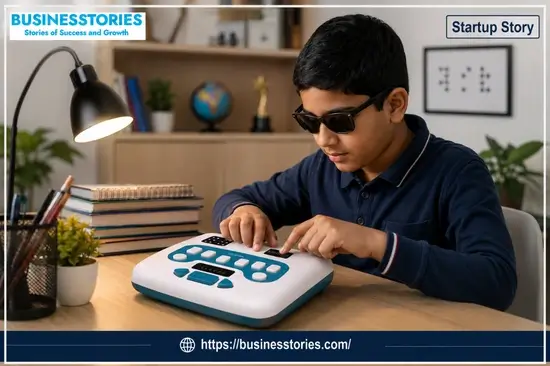
A major challenge in education is keeping learners active and interested. Passive learning often leads to weaker retention. On the other hand, active learning helps students think, respond, and apply ideas. ThinkerBell Labs supports this kind of learning by creating tools and experiences that encourage participation.
This is especially useful in early education and skill-building environments. Young learners, in particular, benefit when lessons are interactive and hands-on. They remember more when they do more. In addition, active learning helps teachers understand what students know in real time.
ThinkerBell Labs seems to support this direction by making learning less about memorizing and more about understanding. That shift is powerful. It prepares learners not only for exams but also for problem-solving, creativity, and collaboration. These are the skills that matter most in the future.
Bridging the Gap Between School and Home
Another important part of ThinkerBell Labs’ impact is its ability to connect school and home learning. This has become even more important recently. Parents now play a bigger role in education, while schools need stronger ways to extend learning beyond the classroom.
A strong edtech solution should help families stay involved without overwhelming them. ThinkerBell Labs appears to move in that direction. By making learning tools easier to understand and use, it helps create a smoother experience for both students and parents.
This is a valuable advantage. When school and home work together, students often progress faster. Furthermore, families feel more confident about the learning journey. That kind of trust can make a startup much stronger over time.
The Role of ThinkerBell Labs in the Future of Education
Preparing Learners for Future Skills
The future of education is not only about reading, writing, and arithmetic. It is also about communication, digital fluency, creativity, and adaptability. ThinkerBell Labs understands that learning must prepare students for a world that keeps changing.
This is where its long-term value becomes clear. If students only learn facts, they may struggle later. However, if they learn how to think, solve, and adapt, they become more ready for life and work. ThinkerBell Labs fits into this future-focused model by supporting learning that feels relevant and practical.
Many educators now talk about 21st-century skills. These include critical thinking, collaboration, and digital literacy. ThinkerBell Labs supports this direction by encouraging learners to move beyond passive content. Therefore, it is not just helping students learn today. It is also helping them prepare for tomorrow.
Supporting Teachers, Not Replacing Them
A common concern in edtech is whether technology replaces teachers. The best solutions avoid this issue. Instead, they support teachers so they can do their work better. ThinkerBell Labs appears to follow this philosophy.
Teachers bring judgment, empathy, and experience to the classroom. Technology cannot replace that. However, it can reduce repetitive tasks, improve visibility into progress, and provide teachers more time to focus on students. That is where ThinkerBell Labs can make a real difference.
This is an important insight. The most successful education startups often succeed because they strengthen the role of the teacher. They do not try to remove it. ThinkerBell Labs seems aligned with this idea, which increases its relevance in modern education systems.
Building Trust Through Simplicity
Trust is one of the hardest things to build in education technology. Schools want safe tools. Parents want clear value. Students want something they can actually use. ThinkerBell Labs addresses these issues by keeping things simple and purposeful.
Simplicity is often underestimated. Yet it is one of the strongest signs of excellent design. When users do not need long instructions, they are more likely to continue using a product. Adoption increases when the experience is seamless. ThinkerBell Labs benefits from this principle.
In a crowded edtech market, simplicity can be a major edge. It helps a startup stand out without relying on hype. It also makes the solution easier to scale across different types of learners and learning settings.
Lessons Startups Can Learn from ThinkerBell Labs
Solve a Real Problem First
The first lesson is clear: solve a real problem. ThinkerBell Labs appears to focus on practical needs rather than abstract ideas. That is smart. Startups that begin with user pain points usually have a better chance of success.
For education startups, such an approach means listening closely to teachers, parents, and students. It also means testing solutions early and improving them based on feedback. ThinkerBell Labs shows how important that mindset can be.
Design for Accessibility
The second lesson is about accessibility. Education should reach more people. ThinkerBell Labs reminds us that inclusive design can create better outcomes for everyone. In fact, when a product works for a wider group of users, it often becomes stronger overall.
Accessibility is not only about disability support. It is also about language, ease of use, device compatibility, and affordability. These factors matter a lot in education. Therefore, startups should treat accessibility as a core strategy, not an afterthought.
Focus on Long-Term Impact
The third lesson is to think long-term. Some startups chase quick attention. However, the strongest ones build value over time. ThinkerBell Labs appears to follow a more durable path by focusing on meaningful learning outcomes.
That approach may not always create instant hype. Still, it creates deeper trust and stronger retention. In education, that matters more than short-term buzz. A product that helps learners grow steadily has a much better chance of lasting.
Why ThinkerBell Labs Matters in the EdTech Landscape
A Model for Responsible Innovation
The edtech market is full of tools, apps, and platforms. Yet some of them do not prioritize real educational value. ThinkerBell Labs matters because it suggests a more responsible kind of innovation. It does not treat technology as a gimmick. Instead, it treats it as a way to improve learning.
This matters because education affects lives at scale. A poor tool can waste time and frustrate users. A strong tool can create opportunities. ThinkerBell Labs seems to understand that responsibility, which gives it a more credible place in the future of education.
A Sign of Where Education Is Going
ThinkerBell Labs is also useful as a sign of broader change. Education is moving toward personalization, flexibility, and greater access. Learners want more control. Teachers want better support. Families want clearer outcomes. ThinkerBell Labs reflects all of these needs.
That is why the startup story is worth paying attention to. It is not only about one company. It is about a larger shift in how learning is designed, delivered, and experienced. If that shift continues, startups like ThinkerBell Labs may play a major role in shaping what education looks like next.
Conclusion
ThinkerBell Labs is more than just another startup in the education space. It represents a thoughtful approach to learning, one that values inclusion, simplicity, and real impact. By focusing on practical problems, supporting teachers, and making education more accessible, it shows how innovation can serve people in meaningful ways.
What makes ThinkerBell Labs especially relevant is its balance. It brings together technology and human-centered learning without losing sight of either one. That is important because the future of education will not belong to tools alone. It will belong to solutions that help students learn better, help teachers teach better, and help families stay involved.
For startups, educators, and parents alike, the lesson is clear. Innovation works best when it solves real needs and stays easy to use. If ThinkerBell Labs continues on this path, it could become a strong example of how education startups can create lasting value.
Now is a good time to see how ThinkerBell Labs grows and adapts, especially if you care about the future of learning. Its journey may offer useful ideas for anyone trying to build better education experiences for the next generation.

Tabassum Shaik is an Author, Researcher, and SEO Specialist with over 8 years of experience creating informative content on business, startups, entrepreneurship, marketing, technology, and digital trends. She specializes in researching industry trends and transforming complex topics into practical, easy-to-understand insights. Her goal is to help readers stay informed, learn new ideas, and make better business decisions.