Introduction: A Quiet Shift on the Land
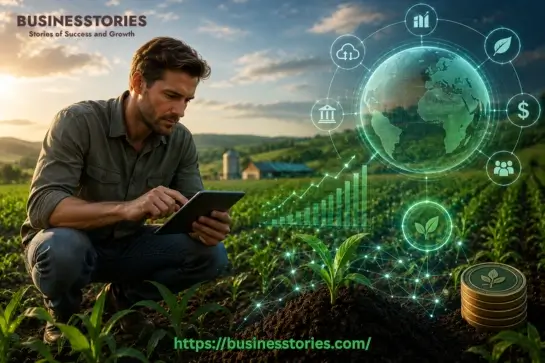
Picture a farmer in Texas. He walks across his field with a phone in hand. Checks soil data in real time. He earns money not just from crops. But it is from the carbon stored in his land. This is not a dream. It is the heart of the Agri-FinTech Revolution.
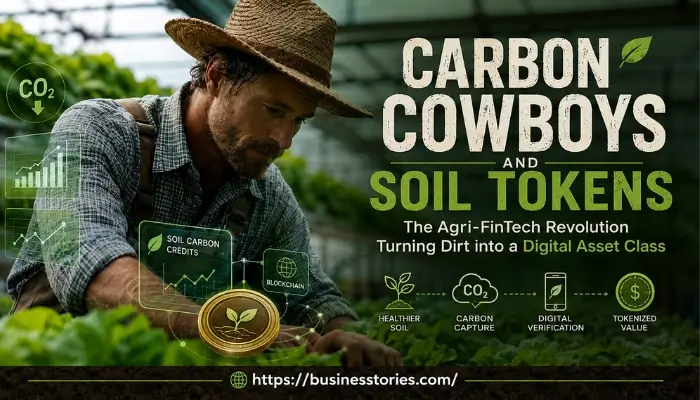
Around the world, farmers are now called carbon cowboys. They use smart tech to trap carbon in the soil. Then they sell it as digital tokens. In short, dirt has become a new type of money. This shift mixes farming, finance, and tech in exciting ways.
But what does all this mean? How does soil turn into a token? Who gains from it? And most of all, why should you care? In this piece, we will walk through every key part of this change. We will keep things simple and clear. So, let us dig into the story of carbon cowboys and soil tokens.
1. What Is the Agri-FinTech Revolution All About?
The Agri-FinTech Revolution is a big shift. It blends farming with money tech. In the past, a farmer’s worth was tied to crops and land alone. Now, data and carbon add new value streams. This change lets farmers earn from things we could not measure before.
A New Layer of Value
Think of it this way. A farm grows corn. That is the first layer of value. But now, that same farm also stores carbon in its soil. This is a second layer. And it can be measured, tracked, and sold. Tech makes this possible. Sensors, drones, and satellites watch the land. They count how much carbon stays in the ground. Then, this data is written onto a blockchain. It becomes a token. And that token can be bought and sold.
This is not just a small trend. In fact, the global carbon credit market may reach $50 billion by 2030, per McKinsey. A big part of that growth comes from soil carbon. And the key driver is the Agri-FinTech Revolution itself.
Why Now?
Three things aligned at the right time. First, climate rules push firms to cut emissions. They need to buy carbon credits. Second, blockchain makes it cheap to track and trade small assets like a ton of soil carbon. Third, remote sensing tech lets us measure soil carbon from afar. In the past, soil tests cost a lot and took weeks. Now, a farmer can get results in minutes. These three shifts created opportunities for carbon cowboys to flourish.
2. Who Are the Carbon Cowboys?
The term “carbon cowboy” may sound like old Western lore. But these are real people. They are farmers, ranchers, and land managers. They use new methods to trap carbon in the soil. And they earn money from doing so. They ride not on horses but on tractors with GPS and AI tools.
What They Do on the Ground
Carbon cowboys use practices like no-till farming. They plant cover crops. They rotate grazing lands. These steps keep carbon locked in the soil. In turn, the soil gets healthier. Water stays longer. Crops grow better. And, on top of all that, they earn carbon credits. Each credit equals one tonne of CO₂ stored. These credits become digital tokens on a ledger. Then firms buy them to offset their emissions.
For example, a ranch in Montana switched to rotational grazing. In just two years, the soil carbon increased by 1.5 tonnes per acre. The owner sold these credits through a blockchain platform and earned an extra $30 per acre each year. This is significant for a mid-size farm.
A New Kind of Steward
Carbon cowboys freshly see the land. Land is not just dirt. It is a living bank. Every field holds carbon. And that carbon has a price. This view shifts how they plan each season. They think long-term. They focus on soil health. And they build wealth that grows under their feet. The Agri-FinTech Revolution gives them the tools to turn responsible stewardship into a steady income stream.
3. How Do Soil Tokens Work? A Simple Guide
This is the core of the change. A soil token is a digital asset. It stands for a real amount of carbon stored in the ground. But how does it go from soil to screen? Let us break it down step by step.
Step 1: Measure
First, farmers take soil samples. They also use remote sensors or drone scans. The goal is to find a baseline. How much carbon is in the soil now? This step must be exact. Third-party firms often verify the data. They ensure it is real and not made up.
Step 2: Improve
Next, the farmer changes how they work the land. They may stop tilling. They may add compost. Or they may plant trees. These steps pull more carbon from the air into the soil. Over one to three years, soil carbon levels will rise.
Step 3: Verify
Then comes a check. An outside auditor tests the soil again. They confirm how much new carbon is stored. Only after this step can credits be made. Each credit is equal to one metric ton of CO₂. The auditor signs off. The data goes onto a blockchain.
Step 4: Tokenize and Trade
Now the credits turn into tokens. A blockchain mints them. Each token has a unique ID. It holds data like where it came from, when it was checked, and who owns it. These tokens then land on a market. Buyers include big firms, green funds, and even everyday people. Prices range from $15 to $50 per token, based on quality and proof of impact. This is regenerative finance at work in the real world.
4. The Tech Stack Behind the Agri-FinTech Revolution
None of this works without tech. The Agri-FinTech Revolution leans on a set of tools. Each tool plays a key role. Together, they turn messy, real-world data into clean digital assets.
Remote Sensing and IoT
Satellites and drones watch the land from above. They use special cameras to scan for organic matter. Soil sensors sit in the ground and send data every hour. Farmers get alerts on their phones. They know the moment something changes. This real-time view cuts risk. It also makes carbon tracking far more exact than old lab tests.
Blockchain and Smart Contracts
Blockchain is the trust layer. Once data goes on-chain, no one can change it. Smart contracts handle deals with no middleman. For example, when an auditor signs off, a smart contract can mint tokens at once. Payment flows straight to the farmer’s wallet. This speed and trust did not exist ten years ago.
AI and Predictive Models
AI tools predict how much carbon a field can store. They look at soil type, rainfall, and past crops. Then they give tips. A farmer might learn which cover crop will boost carbon the most. These models get smarter each year. They help farmers make more money while fixing the soil. The whole system grows fairer and clearer over time.
5. Real-World Impact: Farms That Went Digital
Stories from the field show the power of this shift. Let us look at farms that turned dirt into digital gold.
Case 1: The Australian Rancher
A cattle ranch in Queensland joined a soil carbon project in 2022. The owner shifted to time-controlled grazing. He also added native shrubs. By 2025, soil carbon rose by 2.3 tons per acre. The ranch earned AUD $120,000 from token sales. That money went into more land care. It was a win for both the farm and the climate.
Case 2: The US Corn Belt
A group of farms in Iowa joined a carbon program through Indigo Ag. They used cover crops and less tillage. In three years, they locked in over 50,000 tons of CO₂. Each farm earned $15 to $25 per acre in extra income. The data was tracked by satellites and soil probes. Buyers included Microsoft and J.P. Morgan. These firms want high-quality offsets. Soil tokens from verified farms meet this demand effectively.
Case 3: Small Farms in Kenya
Small farms in Kenya joined a project with the World Bank. They used biochar to boost soil carbon. Biochar is burnt plant waste. It locks carbon for decades. Farmers earned tokens via a mobile app. Even one-acre farms got paid. This indicates that the Agri-FinTech Revolution can lift small landholders too, not just big ranches.
6. Benefits, Risks, and What Lies Ahead
Like any big shift, this one has upsides and downsides. Here is a fair look at both.
The Good
- New Income: Farmers earn extra money from carbon storage.
- Better Soil: Carbon-rich soil holds more water and grows more food.
- Climate Help: More carbon in soil means less in the air.
- Trust: Blockchain makes the whole process clear and open.
The Risks
- Checking Costs: Audits cost money. Small farms may consider the cost of audits too high.
- Price Swings: Token prices go up and down. Income is not fixed.
- Greenwashing: Some firms may buy cheap tokens with weak proof. Such practices hurt trust.
- Tech Gaps: Not all farms have internet, sensors, or the skills to join in.
The key is to build fair rules. Standards like Verra and Gold Standard set high bars. The Agri-FinTech Revolution must include all farmers, big and small. It must reward real impact, not just paper claims. If done right, it can shift how the world values land.
7. How Farmers and Investors Can Get Involved
Are you a farmer who wants to join? Or an investor seeking green assets? Here are the immediate actions you can take.
For Farmers
- Check Your Soil: Start with a soil carbon test. Know your baseline first.
- Pick a Program: Join a platform like Indigo Ag, Nori, or the Regen Network. They help with the whole process.
- Switch Methods: Use no-till, cover crops, or rotational grazing. Start small on a few acres.
- Get Verified: Work with an approved auditor. This step is a must for trust.
For Investors
- Learn the Market: Study how soil tokens work. Each platform is a bit different.
- Verify the Data: Look for tokens with strong proof. Third-party checks matter a lot.
- Start Small: Buy a few tokens first. Watch how prices move. Then scale up.
- Hold Long-Term: Soil carbon builds up over years. The best returns come with time.
Both sides need one thing: patience. Soil changes slowly. But the rewards, both for wallets and the planet, can be big.
8. The Road Ahead: 2030 and Beyond
By 2030, experts say soil carbon will be a core asset class. Soil carbon will be treated as a core asset class, similar to stocks or bonds. The Agri-FinTech Revolution will continue to grow. AI will get sharper. Sensors will get cheaper. More farmers will join in. And rules will become clearer.
We will also see new links. Soil tokens may back green bonds. They may tie to crop insurance. Or they may flow into carbon ETFs that trade on big markets. The line between farm and finance will blur. And that is a good thing. It means more money flows to those who care for the land.
One thing is sure. The carbon cowboys are not going away. They are the new face of farming. And with the right tools, they can feed the world and fix the climate at the same time.
Conclusion: Dirt Is No Longer Just Dirt
We have returned to where we began. We started with a farmer in a field. And we end with a global shift in how we value land. The Agri-FinTech Revolution turns soil into a digital asset. It creates new opportunities for farmers. It gives firms a clear path to meet climate goals. And it lets anyone, anywhere, invest in the health of our planet.
This is not a fad. It is a new layer of the global economy. And it is just getting started. Carbon cowboys lead the way. Soil tokens are their currency. The dirt beneath our feet now holds more than seeds. It holds value, data, and hope.
FAQs: Agri-FinTech Revolution
Q1: What exactly is a soil carbon token in farming?
A soil carbon token is a digital certificate on a blockchain. It proves one ton of CO₂ was stored in soil through verified farm practices. Firms buy it to offset emissions.
Q2: How do carbon cowboys earn from soil tokens?
Carbon cowboys use land methods that trap CO₂ in soil. After checks, they get tokens. They sell these tokens on digital markets for cash.
Q3: Is the Agri-FinTech Revolution open to small farms?
Yes, but with some limits. Many platforms now work with small farms via mobile apps. Still, audit costs can be a hurdle for the smallest landholders.
Q4: Which tech powers soil carbon token trading?
Blockchain mints and tracks tokens. Remote sensors measure soil. Satellites watch changes from above. AI predicts carbon gains over time.
Q5: Why is soil carbon called a digital asset class?
Soil carbon tokens are referred to as a digital asset class because they are traded on digital platforms in a manner similar to stocks or bonds. They hold monetary value based on verified climate impact.

Senior Business Analyst / Prduct Owner with 12+ years of experience driving data-driven insights, optimizing business processes, and delivering strategic IT solutions.