Food technology is changing fast. Today, the food on your plate may pass through more smart tools than ever before. AI now runs test kitchens. Furthermore, robots pack boxes. Lab-grown meat sits next to plant-based burgers. So, food technology now touches almost every meal you eat.
This guide covers the seven biggest shifts happening right now. First, we explain why each one matters. Next, we’ll highlight the leaders who are driving these shifts. Finally, we give you simple steps you can try today. Let’s dive in.
Why Food Technology Matters More Than Ever
Global food systems face real strain. For instance, the world’s population keeps growing. At the same time, farmland keeps shrinking. Furthermore, climate change continues to hurt harvests. Consequently, companies now turn to food technology to grow more food with fewer resources. Meanwhile, buyers want more from their food. They want it to be safe. They also want it to be clear where it comes from. And they want it to help their health.
Because of this shift, food technology is not just for scientists anymore. Instead, it touches farmers, factory workers, chefs, and home cooks alike. If you know these trends, you can make smarter choices. This is true whether you run a food brand or just shop at the store. Now, let’s look at the trends shaping this space today.
Also Read: What is the New Technology for CCTV Cameras in 2024?
1. Artificial Intelligence Runs the Food Lab
AI is no longer just a buzzword in food science. Instead, it is now a daily tool. The Institute of Food Technologists says AI use is growing fast across the food world. In fact, experts predict AI will move from small tests into full daily use through 2026. As a result, food scientists use AI to guess shelf life. They also use it to create new flavors. And they even use it to catch spoiled batches before they reach stores.
For example, AI tools can scan thousands of ingredient mixes in minutes. Teams can create new snacks and drinks much more quickly than with traditional trial-and-error methods thanks to these advancements. Meanwhile, machine learning helps firms predict demand. This approach, in turn, cuts down on extra stock and food waste.
Customization
Restaurants use this trend too. One excellent example is BetterBlends. This smoothie brand uses AI to build custom drinks based on your taste and diet needs. So, this case shows how AI-driven personalization now goes beyond simple tips. Instead, it builds the actual food itself. Similarly, Panera uses app data and loyalty points to shape menus across its stores.
Food safety teams lean on AI a lot too. Smart sensors work with AI to catch odd temperature shifts in trucks and plants within seconds. So, hazardous food gets pulled before it ever reaches a shelf. As a result, this predictive food safety technology protects both shoppers and brands.
Here’s a twist most guides miss: AI is not just used for factory work. AI is also learning how to shape recipes. First, AI models study flavor data. Then, they suggest ingredient swaps that boost taste while cutting sugar or salt. This blends food science with computer smarts in a new way. Indeed, no human chef could achieve this level of scale on their own.
2. Alternative Proteins Are Growing Up
Plant-based meat had a rough few years. But the wider alt-protein space is far from done. In fact, it is maturing. For example, hybrid meat blends real meat with plant or lab-made parts. This lets brands cut costs and impact without losing familiar taste. Because of these advantages, hybrid meat is gaining real ground.
Precision fermentation is another big piece here. This process uses tiny microbes to make proteins, fats, and flavors. These, in turn, copy the taste of animal-based foods. Today, firms use this method at a large scale. For instance, they make dairy proteins and egg substitutes this way. However, some experts think its next big market may be pet food, not human meals.
Lab-grown meat is moving forward too. One report says the lab-grown meat market could hit close to $2 billion by 2035. Three things drive this growth: better taste, care for animal welfare, and demand for meat made without raising live animals. As methods improve, this meat slowly gets cheaper and more real.
Here’s a twist most guides miss: Most articles treat alt-proteins as one single trend. In truth, it is splitting into three different paths. Currently, hybrid meat targets everyday shoppers. Meanwhile, fermented protein targets ingredient makers first. Lab-grown meat, however, remains a longer bet for high-end markets. So, each path grows at its own speed.
Try this: Before you invest, pick the right lane for your buyers. For example, a restaurant chain might test hybrid meat now. Meanwhile, an ingredient supplier may find more value in fermented protein instead.
3. Personalized Nutrition Goes Mainstream
Personalized nutrition used to be a wellness buzzword. Now, it is a real business plan. Today, brands use body data and buying habits to build food plans just for you. In short, food is now built around your body, not a general group.
This trend leans on gene science. Specifically, experts study how food interacts with your genes. They also study how your genes handle nutrients. So, firms can suggest diets based on your body type, genes, and gut health. This can help prevent disease. Additionally, it can boost gut health. It can even improve how athletes perform.
Apps also make these tools easier to use. For instance, DNA-based diet apps, blood sugar monitors, and food-tracking tools now put smart tips in your hand. Similarly, some smoothie brands build a custom drink for you on the spot. They simply ask about your taste, allergies, and health goals first.
Here’s a twist most guides miss: One trend that the workplace angle is a trend that often goes unnoticed. is the workplace angle. Increasingly, company wellness plans are becoming a significant avenue for this technology. That’s because employers want real health gains tied to lower costs. So, this path may reach more everyday people than home DNA kits ever did.
Try this: Start with a simple food-tracking app or blood sugar monitor. Try these options before you pay for costly gene tests. That way, it gives you real data first, at a much lower cost.
4. Smart Traceability Brings Farm-to-Table Trust
Shoppers want to know where their food comes from. Meanwhile, rules now push firms to share this data too. Specifically, new laws force firms to link farm data all the way to the store shelf. This requirement, in turn, turns rule-following into a real edge for smart brands. As a result, blockchain and smart sensors are becoming standard tools.
Blockchain lets firms record every step of a food’s path. This covers the farm, the plant, and the store shelf. Essentially, it uses a digital record that no one can fake. So, if a problem hits, firms trace the source in minutes, not days. This speed matters a lot during a recall, because swift action cuts health risk and cost.
Smart sensors add another layer too. These small devices sit in trucks and warehouses. There, they track heat, moisture, and location in real time. As a result, spoiled food drops considerably. Instead of guesswork, firms now receive facts about their cold chain. Even small food makers now need these tools, since big stores often require them as a rule to sell there.
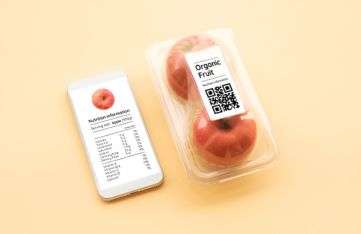
Here’s a twist most guides miss: Most guides treat traceability as just a safety topic. But it is quietly becoming a marketing tool too. For example, brands now place QR codes on packs. Then, shoppers scan the code to see a food’s full path. This builds trust in a way that vague green claims never could. In short, being open is now a real selling point.
Try this: Small brands should start with a QR code on just one top product. This builds trust with buyers. And it does not require a full supply chain overhaul.
5. Automation and Robots Reshape Food Plants
Worker shortages have pushed robots deep into food plants and kitchens. So, firms now mix AI and robot arms to boost speed. This method also reduces human error. This approach also ensures that quality remains consistent across every batch produced.
Robot arms now handle boring tasks like sorting and packing. Consequently, they work faster than any human team could. Meanwhile, 3D food printing has matured as well. It is no longer just a playful trick. Instead, new printers can build custom shapes and textures. This helps with special diets, elder care meals, and fun food design.
Restaurants use robots too. For instance, AI-run stock systems guess what a kitchen truly needs. This cuts waste and extra orders. Similarly, smart kiosks and app orders also cut wait times. At the same time, they gather useful data on what guests like.
Here’s a twist most guides miss: Most guides frame robots as just a cost cut. But the real win may be steady quality. After all, human kitchens shift from one shift to the next. Robots, however, repeat the same steps every time. So, for chains with many stores, this steady quality may matter more to guests than the cost savings alone.
Try this: If you run a food plant, test robots on your most repeated task first. For example, try packing or sorting. Then, skip a full line change right away.
6. Sustainable Packaging Becomes the New Norm
Plastic has long been the cheap choice for food packs. But that math is shifting fast. For example, one report values the green food-pack market at $144.66 billion in 2019. By 2027, the market could be worth $326.32 billion. This shows real demand from buyers, not just new rules.
Edible films and plant-based wraps now show up in many spots. For instance, you can find them at fast-food counters and hotel mini-bars alike. These materials break down on their own, which cuts landfill waste. Yet, they still keep food fresh and safe.
Small online food businesses also push large firms to catch up. Often, these digital-first brands build green choices into their core from day one. Big companies are now under real pressure. As a result, they must match this shift in values and be more open about materials.
Here’s a twist most guides miss: One angle that is rarely discussed is viewing packs as a tool for building trust, rather than solely as an environmentally friendly option. For example, smart packs mix compostable material with a QR code. This solves two problems at once: waste and clear tracking. However, few firms have yet to connect these two trends. The approach creates an opportunity for early movers to succeed.
Try this: Check your top product’s pack. Then, find one compostable or reusable swap. Test it over the coming months.
Also Read: What is the New Technology for CCTV Cameras in 2024?
7. Technology Tackles Food Waste Head-On
Almost one-third of all food made gets wasted. This, in turn, adds strain to supply chains, profit, and the planet alike. So, waste-to-value tech has become one of the most useful trends in food technology today.
Firms now turn farm and plant scraps into new uses. For example, they make fiber, thickeners, and other clean-label products from waste. This means waste cuts and new products happen at the same time. The waste market shows this growth too. In 2021, it was near $39.55 billion. It could reach $64.03 billion by 2030.
Smart stock tools play a big role here as well. For instance, AI demand tools help stores and plants order just what they need. This cuts spoiled food fast. Similarly, digital apps also link extra food with buyers before it ever hits a bin.
Here’s a twist most guides miss: Waste cuts are often pitched as a green win alone. But the smarter view is cash saved. After all, every bit of waste cut is profit kept, especially as costs rise. So, firms that treat waste tech as a money tool, not just a green box to check, tend to stick with it longer.
Try this: First, track your waste rate by product line. Do this exercise before you buy new tools. That way, you get a true baseline to measure real gains later.
Conclusion: Staying Ahead in the Food Technology Race
Food technology is no longer just a distant concept. Today, it already shapes how food gets grown, made, packed, and sent to your table. AI builds new products. Meanwhile, alt-proteins keep growing. Diets get built just for you. Trust grows through smart tracking. Robots keep quality steady. Packs turn green. And waste turns into value. Together, these seven trends build a smarter, stronger food system.
For firms, the point is clear: you do not need every trend at once. Instead, pick one or two that fit your goals. Then, test them with care. Thereafter, measure results before you grow further. For shoppers, meanwhile, staying aware of food technology helps you pick smarter products. It also helps you back the right brands.
Frequently Asked Questions
What is food technology, and why does it matter today?
Food technology uses science to make, process, and store food safely. It helps feed more people in a green way. It also boosts safety, health, and trust in what we eat.
How is AI used in food technology today?
AI helps firms predict demand, build new recipes, and catch defective batches early. It also builds custom menus. This speeds up product design while it cuts costly waste.
Are lab-grown and plant-based proteins the same thing?
No, they differ a lot. Plant-based protein comes from crops like soy or peas. Lab-grown meat, however, grows real animal cells in a lab, with no live animals raised or killed.
What role does blockchain play in food tracking technology?
Blockchain builds a record of a food’s full path that no one can fake. This helps firms identify defective batches fast. It also builds trust with shoppers through clear data.
How can small food brands start using food technology?
Start small with one tool. For example, try AI stock forecasting or a QR code trace tag. Then, test it on one product line before you spend more on new tech.

Tabassum Shaik is an Author, Researcher, and SEO Specialist with over 8 years of experience creating informative content on business, startups, entrepreneurship, marketing, technology, and digital trends. She specializes in researching industry trends and transforming complex topics into practical, easy-to-understand insights. Her goal is to help readers stay informed, learn new ideas, and make better business decisions.