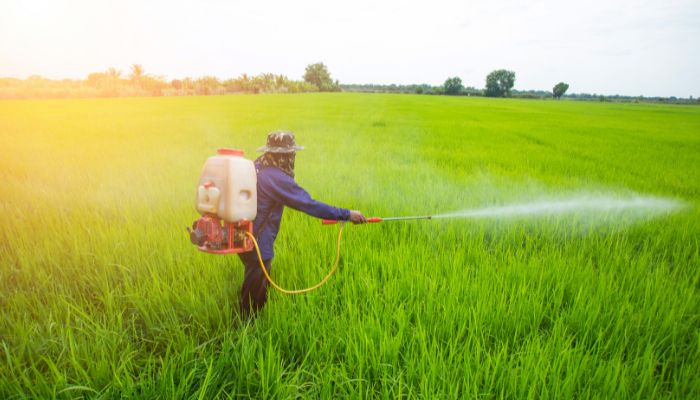
Our soil is in trouble. Years of heavy plowing and chemical sprays have worn it down. So farmers now face weaker crops and drier land. What can resolve the problem? Many experts point to regenerative agriculture.
Regenerative agriculture is a way of farming that builds soil back up. In fact, it does not just avoid harm. Instead, it repairs the land. It treats a farm like a living system, not a factory. In this guide, you will learn what regenerative agriculture means. You will see how it differs from plain sustainable farming. You will also find real examples and easy steps to start. Let’s dig in.
Also Read: Affordable Agriculture Drone Price in India for Small Farmers
What Is Regenerative Agriculture?
Regenerative agriculture is a set of farm practices. These practices rebuild soil health. They also boost wildlife on the farm. And they make the whole farm stronger over time. Instead of just avoiding harm, this method repairs damage from past farming. As a result, the soil becomes richer. Water soaks in better. Crops grow stronger each year.
In fact, this idea is not new. Furthermore, a farmer named Robert Rodale used the term in the early 1980s. He felt farming should not just hold steady. It should also get better each year. His goal was to boost farm health while cutting the use of man-made chemicals. Since then, farmers and scientists have built on this idea with new soil science.
At its core, this farming method protects tiny life in the soil. This life includes bacteria, fungi, worms, and bugs. When farmers protect this hidden world, the land holds more water. It also locks away more carbon. So farms bounce back faster after storms or dry spells.
In fact, old farming groups used many of these ideas long ago. So they mixed crops. They also made their own compost. Then they shaped land to stop erosion. Today’s regenerative agriculture blends this old wisdom with new tools, like soil sensors and satellite maps. This mix gives us a helpful phrase: soil health repair.
Ultimately, this method is mutually beneficial. Farmers return to the land. The land returns to farmers through better crops and lower costs.
Core Farming Practices Behind Regenerative Agriculture
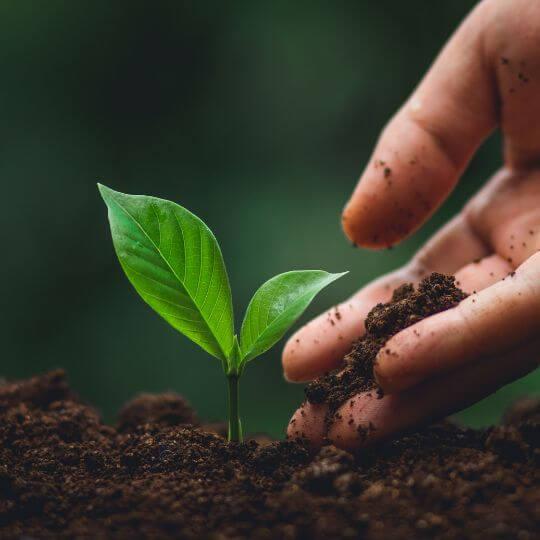
Regenerative agriculture is not just one trick. Instead, it uses several farm practices together. Here are the main ones used across the world.
Skipping the Plow
No-till farming means farmers skip the plow. Because plowing breaks up soil, it lets stored carbon escape. So skipping it keeps carbon locked in the ground. Studies show that if farmers used this method on 40% of the world’s cropland, it could cut a significant share of global carbon output. That is a big climate win from one simple change.
Cover Crops and Crop Mixing
Bare soil erodes fast. It also loses key nutrients. So cover crops fill this gap. Farmers plant them between main harvests to keep living roots in the ground all year. This step guards topsoil and feeds tiny soil life. Growing many crop types, not just one, also cuts pest problems and builds a stronger farm.
Moving Animals Around
Rotational grazing moves farm animals across small plots. This copies how wild herds once roamed open land. As a result, manure spreads out evenly. Furthermore, soil packs down less. So grass grows back much faster than under one fixed pasture.
Cutting Man-Made Inputs
Regenerative farms slowly drop man-made sprays and fertilizer. Instead, they lean on compost and natural pest control, so costs go down over time. Because of this shift, some farms cut pesticide use by half or more. This move also saves farmers money. It keeps harmful runoff out of nearby streams too.
Together, these four steps form the base of most regenerative farms. Farmers rarely use just one, though. Most blend a few, based on their soil, climate, and crops. This flexible style is one reason regenerative agriculture works well in so many places, from dry plains to wet valleys.
Key Benefits of Regenerative Agriculture
Why do so many farmers and brands care about this shift? The gains span the planet, the wallet, and the whole community.
First, soil health improves fast. Rich soil holds more water. That helps crops survive dry spells. Rich soil also stores more carbon, which pulls harmful gas out of the air. Farming causes a large share of the world’s greenhouse gas output, so soil-based carbon storage offers real hope here.
Second, farms grow tougher against wild weather. Since healthy soil soaks up rain better, fields flood less in storms. They also stay moist longer in dry spells. This strength matters more each year as weather grows less steady.
Third, wildlife grows. Because of mixed crops and fewer sprays, bees, birds, and beneficial bugs return. So this shift boosts natural pest control. So farmers need fewer costly sprays over time.
Fourth, there are clear money gains. Farmers spend less on fertilizer, sprays, and water once soil health climbs. Meanwhile, more shoppers want food grown this way. They often pay more for it. This demand links to carbon-credit programs, since many firms now pay farmers for proven soil gains.
Finally, whole towns can benefit. Healthy farms often support more local jobs. Furthermore, they build stronger rural economies. Because this method blends land repair with real money gains, it draws a much wider crowd than older green farming trends did.
Regenerative Agriculture in Action: Real Case Studies
Ideas matter, but real proof matters more. So, several groups already show what this method can do at a large scale.
Indigo Ag teamed up with Kellanova and Walmart in 2025 to grow more regenerative rice in Arkansas. The project helped farmers save billions of gallons of water. Furthermore, it cut emissions across the supply chain while keeping profits steady. This case shows how big food brands can help farmers scale up regenerative rice with no drop in yield.
Nestlé offers another strong case. The firm now works with over 500,000 farmers and 150,000 suppliers to build a steadier, more sustainable supply chain. Furthermore, it recently grew its training programs to support new regenerative farmers. This scale shows the method can work far beyond small family farms.
On the financial side, momentum continues to build. In 2022, the Rockefeller Foundation gave an $11 million grant to groups that back Indigenous and regenerative farming. Around the same time, a major food firm put hundreds of millions of dollars toward farmer groups focused on soil and water health.
Beyond big firms, small farms tell a strong story too. For example, across the UK, several farmers switched to regenerative methods for reasons ranging from a better work-life balance to long-term farm strength. Their stories show that this shift is often a smart business call, not just a green one.
This points to a key insight: this method spreads fastest through farmer trust and visible wins on nearby land, not through rules alone.
Regenerative Agriculture vs. Sustainable Farming: What Sets Them Apart
Many people mix up “sustainable” and “regenerative.” But there is a real gap between them. So sustainable farming tries to hold steady. It works to avoid more harm. Still, regenerative farming goes further. So it also works to remedy past harm.
Think of it this way. First, sustainable farming stops a leak. Then, regenerative farming fills the tank back up. Rather than just holding steady, this method aims to heal the land and boost results each season.
This gap is also relevant for shoppers and brands. A “sustainable” label often means “we caused less harm.” A “regenerative” label means “we improved the land.” Because of these differences, more brands now track real results. They check soil carbon and water flow, not just farm methods used.
Still, these two ideas work well together. Often, a farm begins with sustainable steps. Then it grows into full regenerative farming. For example, a farm may first cut back on chemical sprays. So that is a sustainable step. Later, it may also add cover crops and animal grazing. So those are regenerative steps. So many experts see regeneration as the next step up from plain sustainability, not a rival to it.
| Feature | Sustainable Agriculture | Regenerative Agriculture |
| Objective | Minimize environmental impact. | Restore and enhance natural systems. |
| Soil Health | Maintain the status quo. | Increase soil fertility and carbon |
| Carbon Sequestration | Not a core focus | Central benefit |
| Inputs | Often reduced | Minimized or eliminated entirely |
| Biodiversity | Considered | Actively promoted |
Challenges Standing in the Way of Regenerative Farming
Despite its promise, this farming method faces real hurdles. Knowing them helps set fair expectations.
The first hurdle is cost. Switching from old methods often means new tools, seeds, or training. Meanwhile, soil gains can also take a few seasons to show up in crop yields. Because of this delay, some farmers face tight cash flow during the switch, mainly without outside help.
Second, there is no single, fixed definition of this term. Since rules vary by region and group, some buyers worry about false claims. This mix-up slows trust among shoppers and investors alike.
Third, tracking results can be tricky. Checking soil carbon, wildlife, and water flow needs steady tests. Rural areas often lack cheap lab access. Still, new tech is closing this gap fast, so results are easier to prove. Tools like satellite maps and soil sensors now track carbon and water levels. This gives farmers solid proof for carbon-credit deals and green labels.
Finally, growth still moves slower than the size of the problem calls for. Even so, this gap also presents an opportunity. Since so much farmland still uses old methods, the room for growth stays huge. As tools improve and support grows, these hurdles should continue to shrink each year.
How to Start Transitioning to Regenerative Agriculture
Whether you run a large farm or a small plot, you can start this shift today. So here are clear, useful steps.
- Test your soil first. Check your soil’s carbon level, pH, and tiny life count before you change anything. This gives you a clear starting point.
- Start with cover crops. Plant a simple cover crop, like clover, in your off-season. This step guards soil with no big change to your main crop plan.
- Cut tillage step by step. You do not need to stop plowing all at once. Cut back slowly and watch how your soil reacts.
- Mix up your crops. Add one new crop type to your plan each year. Then, over time, the rotation builds strength against pests and price swings.
- Try animal grazing. If you keep livestock, try moving them across small plots first. Then grow the plan once you see soil gains.
- Find local programs. Many groups now offer grants or carbon-credit pay for farms making this shift. So check what applies to your farm.
- Track results each year. Retest your soil every season. Since this method is an ongoing process, small yearly steps matter more than one big overhaul.
Firms outside of farming can help too. Buying from certified regenerative growers pushes the whole movement forward. So does backing soil research and picking brands that share real, proven results.
The Future Outlook: Market Growth and Emerging Trends
Regenerative agriculture is no longer a small niche. Instead, it is fast becoming a major growth market. One 2026 report values the global market at nearly $9.2 billion for 2025. It expects the market to hit near $20.7 billion by 2031. So that marks a strong growth rate of about 14.5% a year. This jump reflects rising climate pledges, new public rules, and stronger demand for climate-smart food.
New rules also add more push. For instance, the EU’s Nature Restoration Law now asks member states to fix 20% of harmed land by 2030. Meanwhile, new tools like carbon-token markets make it easier for small farmers to earn from soil gains. North America still leads this market today. Strong government funds and solid carbon-credit systems help it stay in front.
Looking ahead, expect three clear shifts.
- First, more food brands will share real, proven results instead of vague green claims.
- Second, tools like satellite soil maps will make proof faster and cheaper. This will also allow small farms to join carbon markets.
- Third, mixed methods like tree-and-crop farming will grow fast, as farmers seek new income along with soil repair.
Taken together, these shifts show that regenerative agriculture will soon shift from a rising trend to a standard farm practice.
Also Read: Most Profitable Money Making Agriculture Business Ideas in India
Conclusion
Regenerative agriculture offers real hope for the future of farming. Instead of just slowing harm, it works to rebuild soil, restore wildlife, and toughen farms against wild weather. Through this guide, you saw how this method differs from plain sustainable farming. You also saw the core steps that drive results.
You also saw how real farms and big brands already prove their worth. And you saw the hurdles, from upfront cost to mixed rules, along with clear steps any farm can take to start.
The numbers back these claims up too. So, as the global market grows fast and new rules push for greener farms, regenerative agriculture is shifting from a bold idea into standard practice. In the end, healthy soil feeds healthy food, strong towns, and a steadier climate for us all.
If you farm, try testing your soil this season. Then try just one step, like a cover crop. If you run a business, look for suppliers who show real, proven results. And if you care about your food’s future, please share this guide with someone who grows what you eat. Small steps, taken often, are how regenerative agriculture is improving farming.
Frequently Asked Questions
1. What Exactly Is Regenerative Agriculture, and Why Does It Matter Today?
Regenerative agriculture rebuilds soil health, wildlife, and water flow, not just avoids harm. It matters because it builds climate resilience while boosting long-term farm output and profit.
2. How Does Regenerative Agriculture Really Differ From Organic Farming?
Organic farming mainly avoids man-made chemicals. Regenerative agriculture goes further. It rebuilds soil structure, carbon storage, and wildlife through no-till methods and mixed crop rotations.
3. What Are the Most Significant Farming Benefits of Regenerative Agriculture?
Farmers gain richer soil, better water flow, lower costs, and more resilience against drought or floods. Many also earn top prices through carbon credits and green labels.
4. Can Regenerative Agriculture Practices Help Reverse Climate Change?
Yes, to a real degree. Steps like no-till farming and cover crops lock carbon in soil. This could offset a large share of farm-based greenhouse gas output if used widely.
5. How Can Small Farmers Begin Adopting Regenerative Agriculture Today?
Start small. Test your soil, plant a cover crop, and cut tillage step by step. Local grants, carbon-credit deals, and farmer groups can support a steady, low-risk shift.

Tabassum Shaik is an Author, Researcher, and SEO Specialist with over 8 years of experience creating informative content on business, startups, entrepreneurship, marketing, technology, and digital trends. She specializes in researching industry trends and transforming complex topics into practical, easy-to-understand insights. Her goal is to help readers stay informed, learn new ideas, and make better business decisions.