

Farming has always meant long hours and hard work. Today, a new kind of helper is showing up in fields. It never gets exhausted. Autonomous robotics in agriculture is changing how food is planted, monitored, and harvested. Self-driving tractors till fields with no driver. Small robots pull weeds with outstanding care. This tech is solving problems farmers have faced for years.
Labor is difficult to find. So farmers are turning to robots, partly in response to the pressures facing traditional agriculture today. They also need to grow more food with fewer resources. As a result, robots, smart software, and sensors now work together. In this guide, we will look at what autonomous robotics in agriculture really means. We will also cover the top robot types, real examples from brands like John Deere, and simple steps you can take. By the end, you will see why farm robots are not just a future idea. They are already at work today.
What Is Autonomous Robotics in Agriculture?
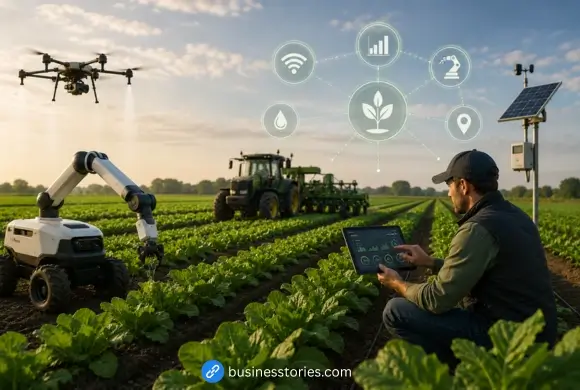
Autonomous robotics in agriculture means machines that can sense their world and act on their own. Older farm gear just followed a fixed path. Today’s robots are smarter. They use cameras, GPS, and AI to understand what is around them. They can tell a weed from a crop. Can spot a fallen branch. They can slow down if rain starts to fall.
This change did not happen overnight. Early tractors used basic GPS in the early 2000s. Then came tools that still needed a driver “just in case.” Now, full robots can finish a whole job alone. For example, John Deere built a tractor for orchards. It uses seven cameras and three sensors. It can work safely under trees, where GPS signals often fail. Even run at night. As a result, farmers get steady results without extra guesswork.
This shift works because many tools team up. A farm robot is not just one arm or wheel. It is part of a bigger system. Drones fly above. Sensors sit in the soil. Software integrates all these components. So, farmers get a steady stream of data. They learn about crop health and soil moisture. And they do not have to walk every row by hand.
Why is autonomous robotics needed in agriculture?
One thing many people miss is trust building. Farmers rarely jump from full manual work to full automation. Instead, they take small steps. Many start with add-on kits for tractors they already own. This slow path, rather than buying a brand-new robot fleet, is becoming the smart way in for mid-sized farms. It costs less up front, and it lets farmers learn as they go.
Small robots matter too. One example is SARAL-Bot, built for strawberry farms. It can move down rows, spot sick leaves, and remove them. This shows that farm robots are not just for huge grain farms. Smaller crop growers can use cheaper, simple robots built just for their needs.
Thus, robotics is less of a luxury and more of a tool that levels the playing field, which is why agricultural entrepreneurs exploring new farm technology are paying attention.”
Why Smart Farming Robots Are Gaining Ground
Several forces push farms toward robots faster than expected. First, and most urgent, is labor. Every year, the U.S. alone needs to fill approximately 2.4 million farm jobs. Finding workers for demanding seasonal work is getting tougher. Robots, however, do not call in sick. They do not need a ride to work.
Next, costs keep rising. Fuel, fertilizer, and chemicals all cost more each year. Therefore, farmers must maximize every dollar. Precision agriculture robots use water, seed, and chemicals only where needed. This significantly reduces waste while keeping yield high. Some studies indicate that smart farming tools can boost crop yield by up to 30 percent compared to older methods.
Weather adds more pressure. Farmers often have just a few days to till or plant before the weather turns. One farm with 300 acres used an autonomous tractor and cut its tillage time by two full weeks. The machine could run all night without a tired driver. That speed can be the line between a successful harvest and a ruined one.
The market backs these claims up too. The global market for smart farm robots was worth about $13.2 billion in 2025. It may grow to $31.8 billion by 2034. Furthermore, global sales of autonomous farm gear should top 60,000 units a year by 2026. These are not small test numbers. They show a real shift in how farms work.
Here’s a fact that often goes unnoticed. Big farms are not the only ones leading this change. Mid-sized farms, hit hardest by labor gaps and tight budgets, often gain the most. A small crew running a few smart machines can now compete with farms that once needed far more workers. So, robotics is less of a luxury and more of a tool that levels the field.
Top Types of Autonomous Farming Robots
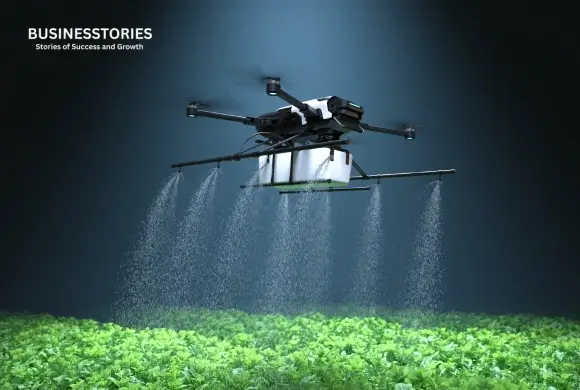
Farm robots come in many forms. Each one does a different job.
Autonomous Tractors and Tillage Robots
These are the most common farm robots. John Deere’s autonomous tractors use 16 cameras for a full, 360-degree view. The tractor can spot a problem and decide if it is safe to keep moving. Farmers can start a job, leave the cab, and check on it from a phone. Many also choose add-on kits. These let farmers upgrade tractors they already own. This approach significantly reduces the initial cost.
Robotic Weeders and Sprayers
Weeding takes huge amounts of time and effort by hand. It is also one of the easiest jobs to hand over to a robot. Smart cameras can tell a crop from a weed at a glance. The robot then pulls the weed or sprays just a tiny, exact amount of herbicide. This cuts chemical use a lot. It saves money and helps the soil and water nearby.
Harvesting Robots
Picking robots like the Harvest CROO strawberry picker now move at speeds close to those of human pickers. They also cause less bruising. A robot called Vegebot, built at Cambridge, can judge when lettuce is ripe. Such assessments used to take a trained human eye. These robots matter most for soft, costly crops where timing and care are everything.
Drones for Crop Monitoring
Drones are not ground robots, but they belong in this picture too. They fly over fields with special cameras. They can spot disease or low nutrients long before a person would notice. This early warning gives farmers time to resolve small problems before they grow into big losses.
Vertical Farming and Greenhouse Robots
Indoors, robots are starting to plant, check, and sort crops too. One farm group in Malaysia now uses walking robots inside its vertical farms. These robots work in tight, multi-story spaces where a tractor simply cannot go. This points to a future where farm robots work indoors as much as outdoors.
This points toward a future shaped by agritech startups that are reshaping the farming industry well beyond open fields.
Real-World Examples and Results
Numbers help make this technology easier to picture. John Deere is testing its fully autonomous tractors in 18 U.S. states. One worker can now watch several machines at once, rather than sitting in one cab all day. As noted, a 300-acre farm cut its tillage time by two weeks using this tech.
In Europe, a project called Smart Droplets tested real-time field data to fine-tune pesticide and fertilizer use. It paired farm robots with digital models. The project ended in early 2026 and showed real gains for both the budget and the land. Another project, Flexigrobots, tested teams of robots working the same farm together. This points to where farming may be headed next: groups of robots, not just lone machines.
For special crops, Kubota now teams up with Agtonomy. Together, they bring autonomy to small diesel tractors used in orchards and vineyards. This collaboration matters a lot, since these crops are harder to automate. Their rows are often uneven, and the fruit needs gentle care.
Here is something most articles miss. The biggest win right now is not always more crop per acre. It is time saved and steady labor. Farms are hitting tight weather windows. They rely less on hard-to-find workers. They run jobs overnight that once needed a person in the seat. This steady output, more than raw yield, is what keeps farmers coming back for more robots.
How to Start Using Farm Robots on Your Land
If you want to bring robots to your farm, take it step by step.
Step 1: Find your biggest pain point. Pick the task that costs you the most time or stress, like weeding or spraying. Robots work best when aimed at your most painful job first.
Step 2: Try add-on kits first. Instead of buying a brand-new robot, look for camera or sensor kits for gear you already own. This lowers your cost and helps you learn slowly.
Step 3: Check your internet signal. Farm robots need a steady data flow. Before you buy, ensure that your fields have good cell or internet coverage. A weak signal can limit what these tools can do.
Step 4: Train your team early. Robots still need people to set them up and watch over them. Teach your team now, so they are ready as more tasks become automated.
Step 5: Track your results. Write down your tillage time, chemical use, and labor hours before and after. This data helps you plan your next robot purchase. It also helps with loans or grants.
Step 6: Plan for safety rules. Robots near roads or workers need clear safety steps. Check local rules often, since laws on farm robots are still changing in many places.
Challenges That Still Slow Adoption
Even with all this growth, farm robots still face real hurdles. Cost is the biggest one for small- and mid-sized farms. Full robot systems and the tools that support them can be pricey. Add-on kits help, but they do not fully replace newer, stronger systems.
Weak internet is another issue. Robots need steady data for navigation and alerts. Yet many rural areas still lack strong 5G or broadband. Without it, robots cannot send live updates or get fixed from afar as well as they should.
Data privacy is a quieter worry. As more farm data moves to the cloud, some farmers wonder who owns that data. This worry is slowing adoption in some areas, even where the tech itself works fine.
Lastly, hills remain a real limit. Most robots struggle on steep slopes. Only a few systems can handle inclines past about 25 degrees without help. Hilly farmland, common in many parts of the world, may be one of the last places full autonomy reaches.
Conclusion
Autonomous robotics in agriculture has moved from idea to daily reality. Self-driving tractors till fields at night. Robotic weeders cut chemical use. Drones catch problems early. Harvesting robots handle soft crops with outstanding care. The reasons are clear: fewer farm workers, rising costs, harsh weather, and a market set to nearly triple by 2034. Real cases, from John Deere’s tractor fleet to Europe’s Smart Droplets project, show real gains in time and savings, even as full yield gains are still unfolding.
Some hurdles remain. High costs, weak rural internet, and tricky terrain are still real problems. Still, the slow, step-by-step path that many farms take shows that full autonomy is not an all-or-nothing choice. Whether you run a few hundred acres or a huge farm, the smart move is to start small. Find your biggest pain point. Try an add-on kit. Track your results before you grow further.
If you are thinking about how robots could fit your own farm, talk to your equipment dealer or a local ag-tech advisor this season. Farms that move early are already gaining an edge. The gap between robot-run farms and old-style farms is likely to grow wider with each passing year.
Autonomous Robotics in Agriculture FAQs
What is autonomous robotics in agriculture exactly?
It means machines that use AI, sensors, and GPS to plant, weed, or harvest crops with little human help. This makes farm work more precise and far more efficient overall.
How much does an autonomous farming robot cost?
Costs vary a lot. Small robots can cost $10,000–$30,000, while full tractor systems cost much more. Add-on kits offer a far cheaper way to start.
Can small farms benefit from autonomous farming robots?
Yes. Many small farms use shared services, rentals, or add-on kits for one task, like spraying. This means they do not need to buy a full robot fleet.
Is autonomous farming safe for workers and the public?
Most modern robots use cameras and sensors to spot danger and stop safely. Still, rules continue to change, so farms should follow local safety steps closely.
What crops benefit most from agricultural robots?
High-value, hands-on crops like strawberries, lettuce, and orchard fruit gain the most. Robots reduce damage and labor costs for these soft, delicate crops well.

Senior Business Analyst / Prduct Owner with 12+ years of experience driving data-driven insights, optimizing business processes, and delivering strategic IT solutions.